
How to Light a Gas Cooker Safely: A Simple Step-by-Step Guide
Lighting a gas cooker is simple when the setup is in good condition. Still, take a moment to check everything first. This matters even more if the cooker has been unused for a while.
Knowing how to light a gas cooker safely can help you avoid releasing gas before a flame is established. So, check the cooker, keep the kitchen ventilated and follow the manufacturer’s instructions.
Before You Light the Cooker
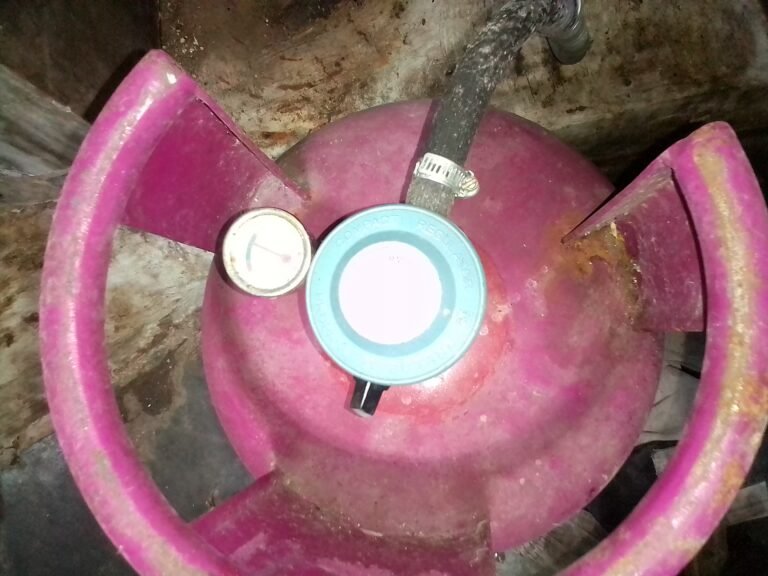
Start with a quick visual check. Look at the hose, regulator, cylinder connection and burner. The hose should not be cracked, badly worn, loose or sharply bent.
Next, check the burner cap and other visible burner parts. They should sit correctly. If you recently cleaned the cooker, make sure the burner is dry before you try to light it.
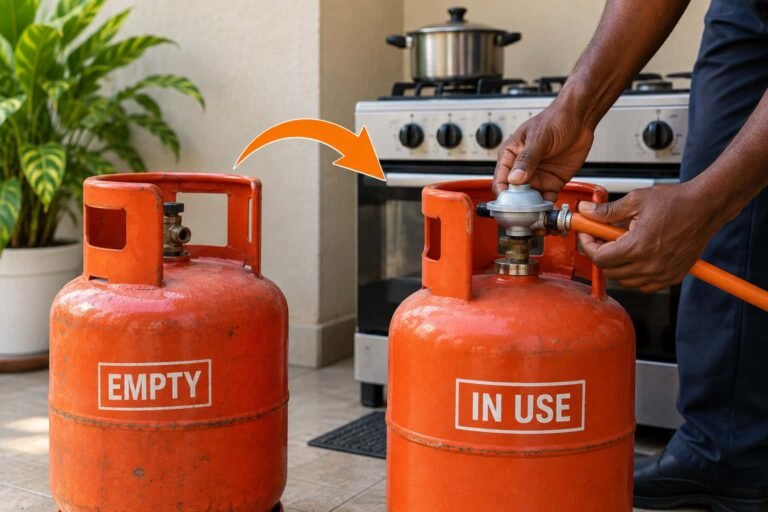
If you are unsure about the cylinder connection, read our guide on how to safely connect a gas cylinder to your cooker.
Step 1: Check for a Gas Smell
Before ignition, check the area around the cooker for a gas smell. LPG is odorised to make leaks easier to detect. If you smell gas, do not try to light the cooker.
Instead, turn off the gas supply if it is safe to do so. Keep away from flames, switches and other possible ignition sources. Ventilate the area and seek appropriate help. Never use a match or lighter to look for a leak.
If you already smell gas, our guide Why Does My Gas Smell? explains what to check and what to do next.
Step 2: Open the Gas Supply
If there is no gas smell and the setup looks normal, open the cylinder valve or gas supply according to your appliance and installation instructions. Do not force a stiff or damaged valve.
Then move to the cooker controls. Have your ignition source ready before opening a manual burner control. This reduces the time that unburned gas can enter the area.
Step 3: Ignite the Burner
Now follow the ignition method for your cooker. For manual ignition, use the approved ignition source as directed by the manufacturer. For built-in ignition, use the ignition control provided with the appliance.
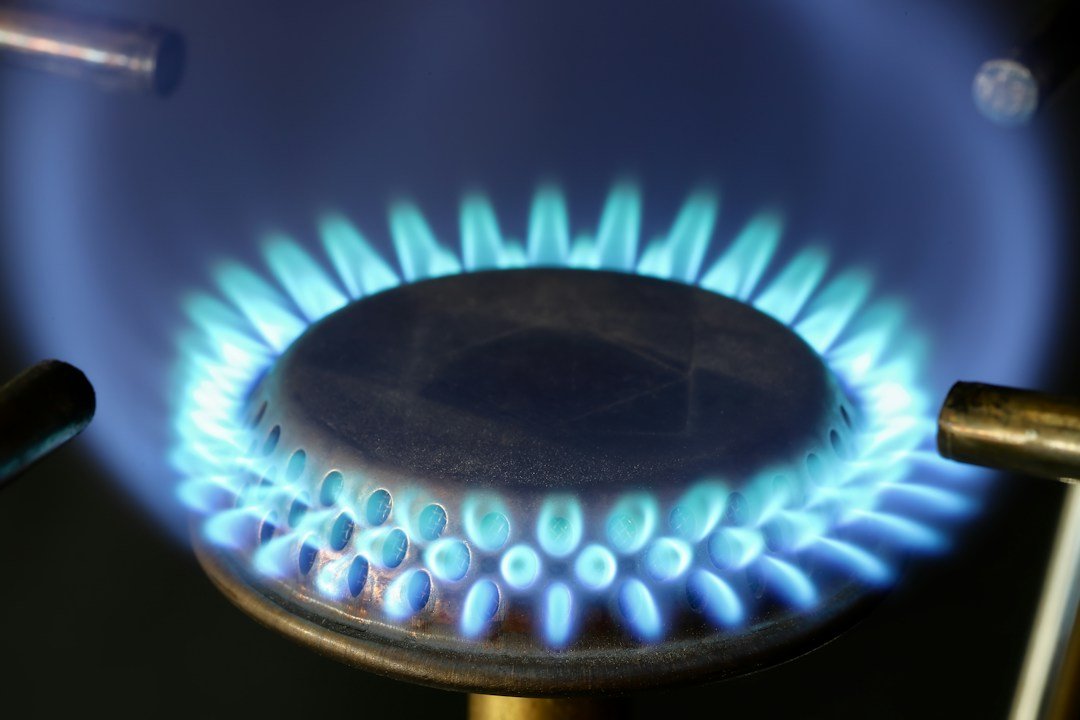
Once the burner lights, look at the flame. A normal LPG flame is generally steady and mostly blue. If it stays yellow or orange, looks unusually weak or behaves abnormally, turn it off and have the cooker checked.
For more help, read our guide on why a gas flame can turn yellow instead of blue.
What If the Burner Does Not Light?
Do not keep releasing gas while trying to ignite the burner. If it does not light, turn the control off. Allow any released gas to disperse before another attempt, and follow the manufacturer’s instructions.
You can check simple issues such as a wet burner or a burner cap that is out of position. However, do not keep troubleshooting if you smell gas.
If the problem continues, see our guide Gas Burner Won’t Light? Causes and Easy Fixes. A cooker that appears unsafe or does not work properly should be checked by a competent professional.
Using a Cooker That Has Been Unused for a Long Time
If your cooker has been unused for weeks or months, give it a closer check before use. Look over the hose, regulator, burner and visible connections. Also, make sure the cooking area is clean and well ventilated.
Do not use the cooker if you see damaged parts, a deteriorated hose, soot, an unusual smell or repeated ignition problems. Instead, have the appliance checked before you start cooking.
Common Mistakes to Avoid
First, do not open a burner control before your ignition source is ready. Next, do not keep trying to light a burner that will not ignite. Releasing gas again and again can allow unburned gas to build up.
Also, never use a flame to test a gas connection. Finally, do not ignore a strong gas smell, damaged hose or persistent abnormal flame just because the cooker still works.
Frequently Asked Questions
Should I turn on the gas before lighting the cooker?
The gas supply must be available for the burner to light. However, follow your cooker’s specific ignition sequence and have the ignition source ready first. Do not leave gas flowing without a flame.
Why does my gas cooker keep clicking but not lighting?
A wet or dirty burner, a misplaced burner cap or an ignition fault can cause this problem. Turn the burner off if it does not light. If gas is present, stop and have the cooker checked.
Can I light a gas cooker with a match?
Some cookers allow manual ignition. If yours does, use the method specified by the manufacturer. Never use a match or any flame to test for a gas leak.
What should I do if I smell gas while trying to light the cooker?
Do not light the burner. Turn off the gas supply if safe, avoid ignition sources, ventilate the area and seek appropriate professional or supplier assistance.
The Bottom Line
Using a gas cooker after a long period of non-use does not need to be complicated. Start with a visual check. Then make sure there is no gas smell, follow the correct ignition method and watch the flame once the burner is lit.
At JP GasPoint, we believe safe cooking starts with good LPG equipment and simple everyday habits. If you need cooking gas in Bucknor or Community Road, Ago Palace, you can contact us for refill and delivery service.



One Comment