Can You Use a Gas Cooker During a Power Outage? What Nigerian Homes Should Know
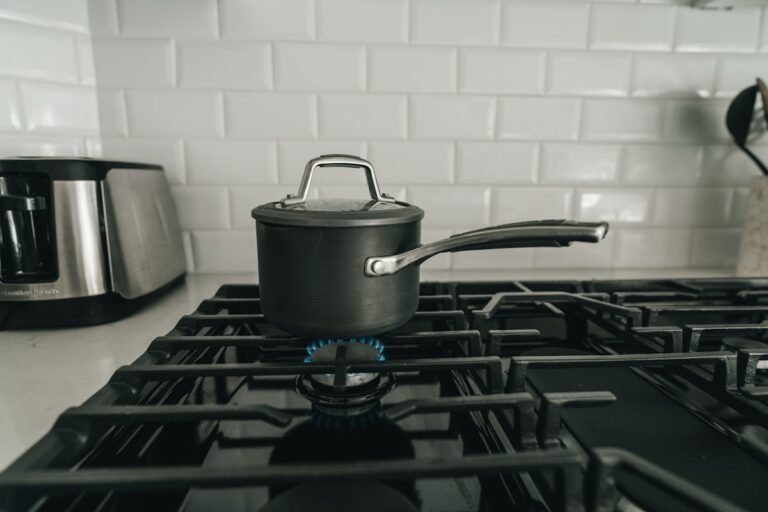
When the power goes out, many Nigerian homes simply switch to their gas cooker and continue preparing meals. That is one of the practical advantages of LPG: the cooker can produce a flame without depending on electricity for the actual cooking.
But a power outage does not change the basic safety rules for using gas. In fact, cooking in a dark or poorly lit kitchen can make it easier to miss a problem with the flame, hose or surrounding area.
Can You Use a Gas Cooker During a Power Outage?
Yes. A conventional LPG gas cooker can generally be used when electricity is unavailable because LPG supplies the fuel that creates the cooking flame. Some cookers, however, use electric ignition, so you may need another safe ignition method recommended by the cooker manufacturer if the ignition system does not work without power.
The important point is that the power outage itself does not make LPG unsafe. Your normal gas-cylinder, regulator, hose, ventilation and fire-safety precautions still apply.
Check the Kitchen Before You Start Cooking
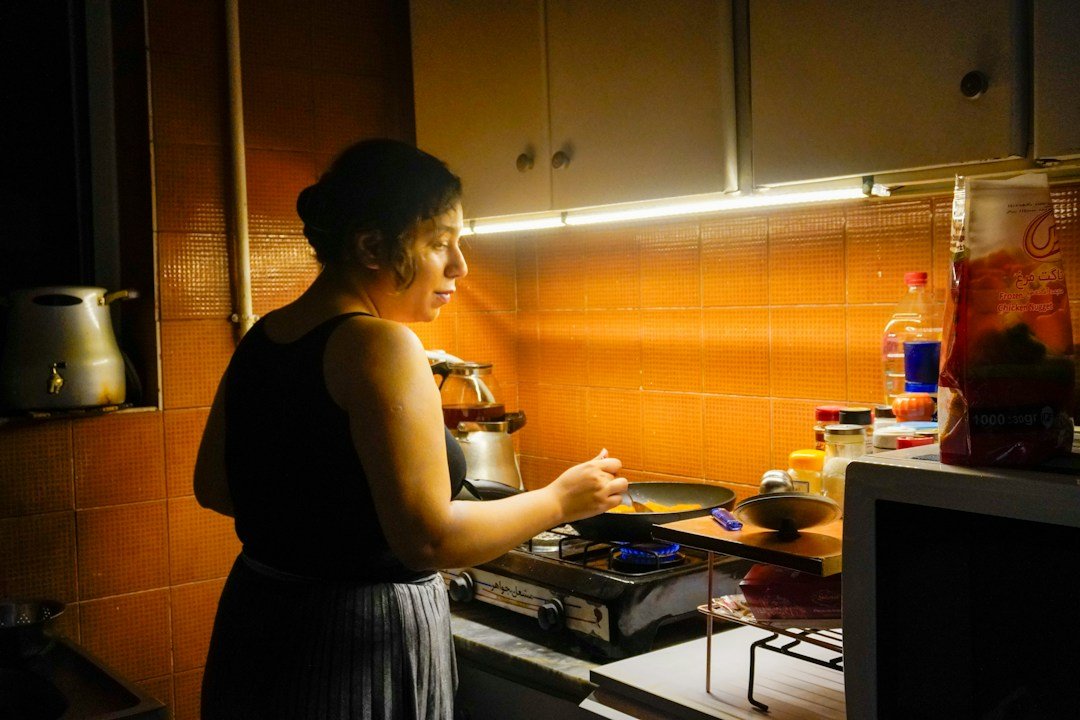
A dark kitchen creates a simple problem: visibility. Before lighting the burner, make sure you can clearly see the cooker, the area around it and the flame.
Use a torch or another safe source of lighting if necessary. Do not leave candles, lanterns or other open flames close to the cooker or gas cylinder just because the electricity is out.
Also check that the cooking area is reasonably ventilated and that there are no unnecessary combustible materials close to the burners.
Check Your Gas Cylinder, Regulator and Hose
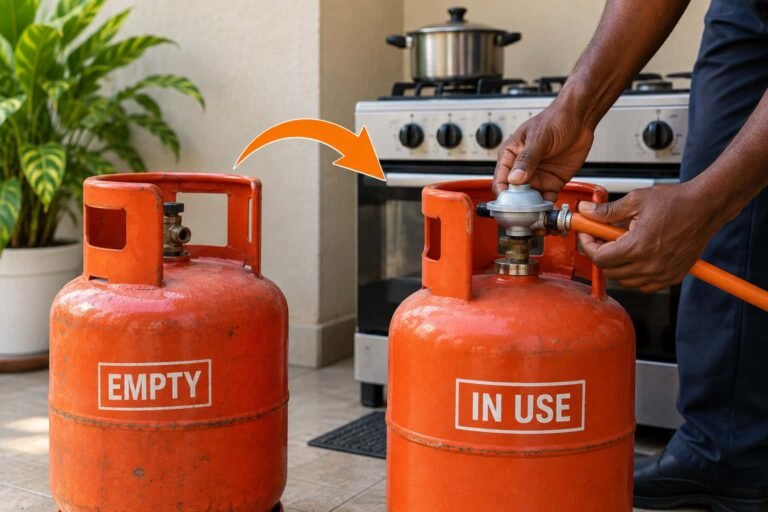
A power outage is not a reason to skip your normal gas checks. Before cooking, look at the accessible parts of your setup and make sure nothing appears damaged, loose or out of place.
The regulator should be properly connected, while the hose should not show obvious cracks, severe deterioration or other damage. If you are unsure about your regulator, our guide on how to choose the right gas regulator explains the main things to consider.
Never try to solve a suspected gas leak by continuing to cook. If you smell gas, stop and follow the appropriate safety steps instead.
What If Your Cooker Uses Electric Ignition?
Many gas cookers use a spark ignition system. If yours normally produces a spark when you turn the knob or press the ignition button, a power outage may prevent that system from working, depending on the cooker design.
Do not improvise with electrical wires or attempt to modify the ignition system. Check the manufacturer’s instructions for the correct ignition procedure for your cooker.
If your cooker is designed to allow manual ignition, use only the method recommended for that appliance. Our guide on how to light a gas cooker safely covers the basic principles.
Do Not Use a Candle to Check for Gas
This is especially important during a blackout. You may be tempted to bring a candle close to the cooker, hose or cylinder so you can see what you are doing. Do not use an open flame to look for a gas leak.
LPG is highly flammable. If you suspect a leak, avoid flames and other ignition sources, turn off the gas supply if it is safe to do so, ventilate appropriately and follow qualified emergency or supplier guidance.
If you notice a gas smell, stop using the cooker and read what to do if your gas smells before attempting to cook again.
Keep the Flame Easy to See
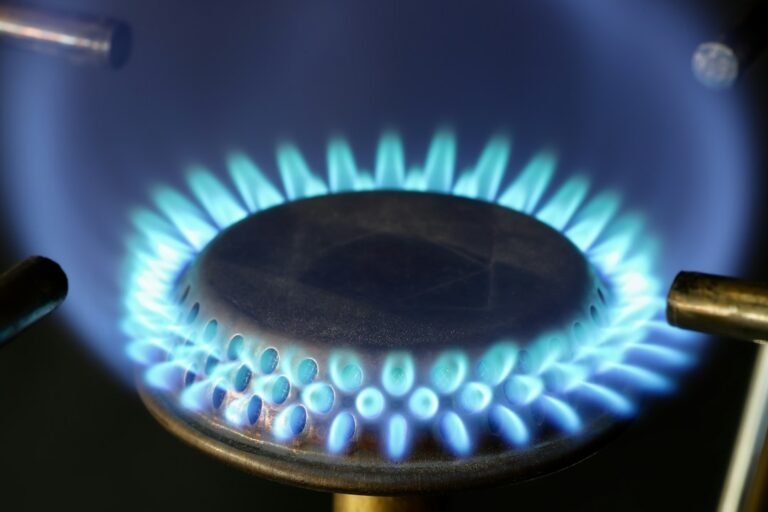
When the kitchen is dark, it can be surprisingly easy to turn a burner too high or fail to notice that a flame has gone out. Keep enough safe lighting available to see the burner clearly while cooking.
Pay attention to the flame after ignition. If it repeatedly goes out, behaves unusually or changes colour, do not simply keep relighting it. The problem may need attention before you continue using that burner.
You can also read our guide on why a gas flame may turn yellow instead of blue if the flame does not look normal.
Be Careful With Other Sources of Light and Heat
During a blackout, households may use candles, lanterns, rechargeable lamps, generators or other sources of light and power. Keep combustible items and open flames away from the cooker and gas-cylinder area.
If you use a generator, remember that it must never be operated inside a home, enclosed room, garage or other poorly ventilated space because of carbon monoxide risk. Keep generator safety separate from gas-cooker safety rather than treating every source of household energy as interchangeable.
Turn the Cooker Off Properly When You Finish
When cooking is finished, turn the cooker controls off properly. If your setup and instructions call for the cylinder valve to be closed after use, close it as well.
Do not leave a burner running simply because the power has returned or because you expect to continue cooking later. A gas flame should never be left unattended.
What If the Gas Cooker Will Not Light During a Blackout?
First, make sure the gas supply is available and the cooker is being operated according to its instructions. If the cooker uses electric ignition, the outage may simply be preventing the spark system from working.
Do not keep releasing gas while repeatedly trying to ignite the burner. If gas has accumulated without ignition, stop and allow the area to ventilate appropriately before following the manufacturer’s safe ignition procedure.
If the cooker still refuses to light after the basic checks, treat it as a cooker problem rather than assuming the outage is responsible.
Frequently Asked Questions
Can I cook with LPG when there is no electricity?
Yes. A conventional LPG cooker can normally operate without mains electricity, although an electric ignition system may not work during the outage.
Can I use my phone torch near a gas cooker?
A phone torch can provide useful lighting, but do not deliberately bring an electronic device into an area where you suspect a gas leak. If you smell gas, prioritize gas-leak safety procedures instead of trying to inspect the area with a phone.
What should I do if my gas cooker uses electric ignition?
Follow the cooker manufacturer’s instructions for ignition during a power interruption. If manual ignition is supported, use the manufacturer’s recommended procedure rather than modifying the cooker.
Is cooking with gas during a blackout dangerous?
The absence of electricity does not by itself make LPG cooking dangerous. The same gas, ventilation, ignition and fire-safety precautions still apply, with extra attention to safe lighting and visibility.
The Bottom Line
A power outage does not have to stop you from cooking with LPG. The key is to make sure you can see what you are doing, keep open flames away from the cylinder and connections, use your cooker according to its instructions and never ignore a suspected gas leak.
When the electricity returns, your gas safety routine should not change. Safe cooking is still about a sound cylinder, proper connections, good ventilation and careful use.
For more practical cooking-gas guidance, keep exploring the JP GasPoint blog for straightforward advice on cylinders, cookers, regulators, safety and everyday LPG use.