How to Choose the Right Gas Regulator for Your Cylinder
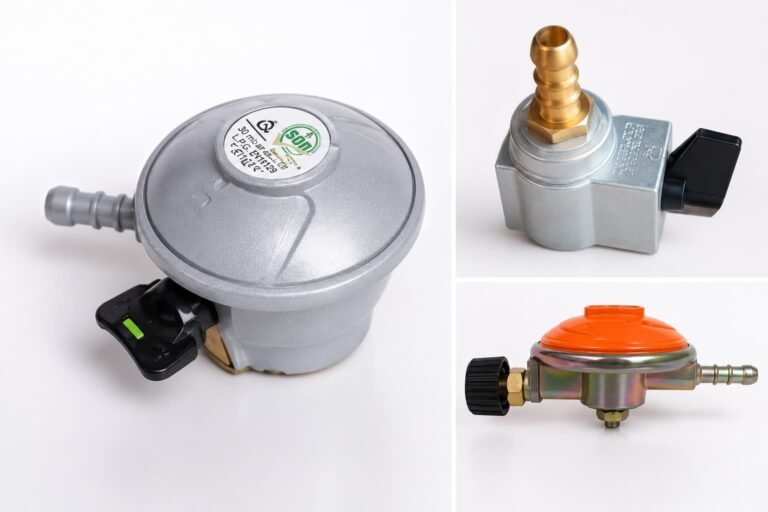
Your gas cylinder can be perfectly fine and your cooker can still give you trouble if the regulator connecting them is not suitable. A regulator controls the pressure of LPG coming from the cylinder before it reaches your cooker, so choosing the right one matters more than many people realise.
You don’t need the most expensive regulator on the shelf. You need one that matches your cylinder, works with your cooker and is in good condition.
What does a gas regulator do?
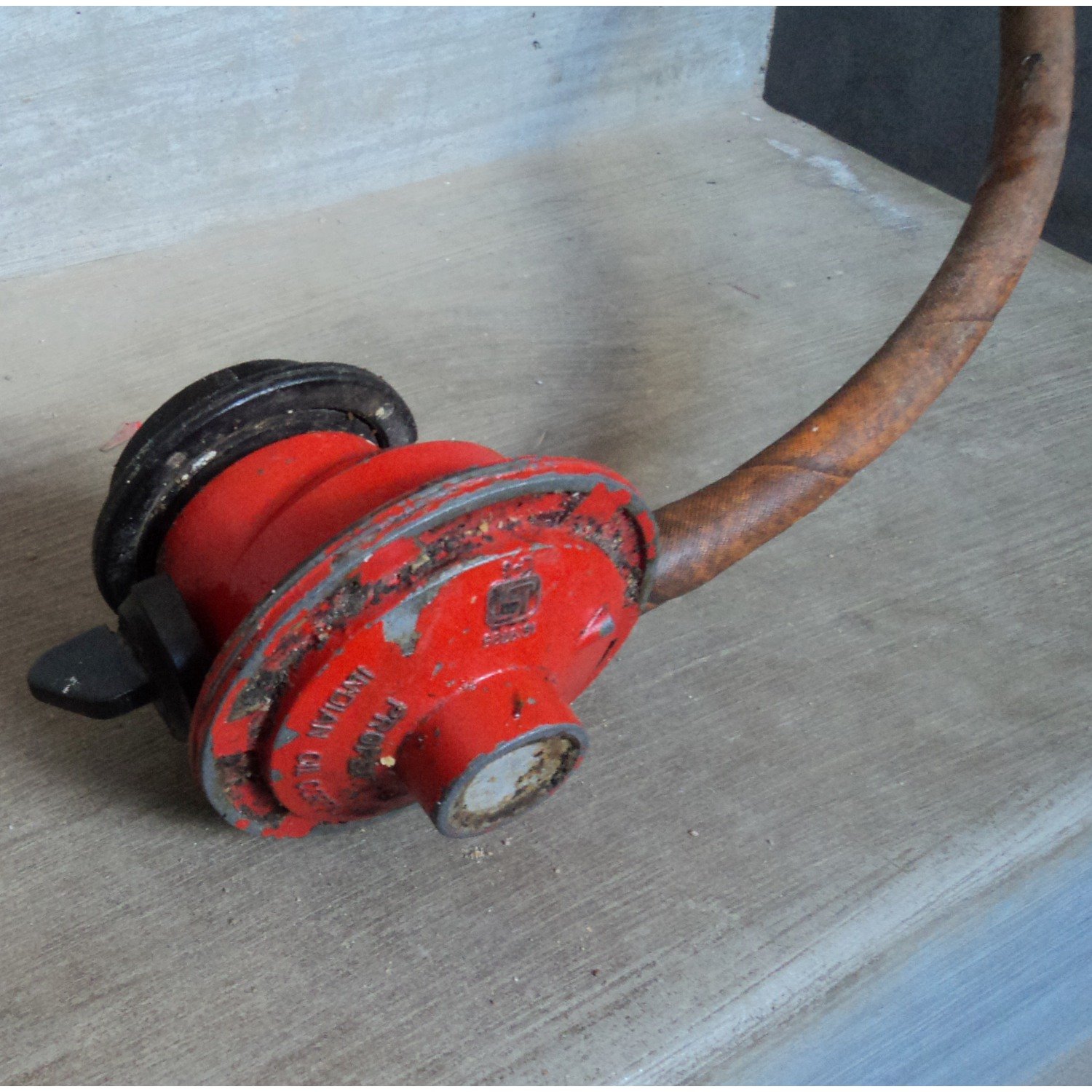
LPG is stored in a cylinder under pressure. The regulator reduces that pressure to a level suitable for your cooking appliance and helps maintain a controlled gas supply.
That makes the regulator an important part of your setup. A damaged, poorly fitted or unsuitable regulator can affect how your cooker works and may create a gas leak.
Start with the cylinder connection
The first thing to check is how the regulator connects to your cylinder. Regulators are not universal, so a regulator that fits one cylinder valve may not fit another.
Before buying one, take note of the cylinder valve and the type of connection your current regulator uses. If you are unsure, ask a qualified gas professional or a reputable LPG vendor to identify the correct connection for you.
Check the regulator’s pressure and appliance requirements
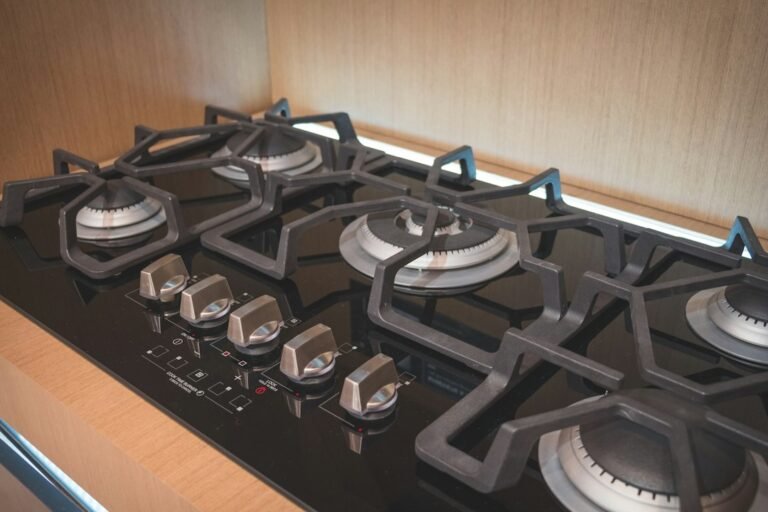
A regulator must provide the pressure required by the appliance it supplies. Your cooker, oven or other LPG appliance should have specifications showing the required gas type and pressure.
Don’t choose a regulator simply because it fits the cylinder. Physical fit is only one part of the decision. The regulator also needs to be suitable for the appliance and LPG service.
If you cannot find the appliance specification, check the manufacturer’s instructions or speak with a qualified professional before changing the regulator.
Look for a quality regulator
A good regulator should be appropriate for LPG service, properly manufactured and free from visible damage. Buy from a reputable vendor rather than choosing an unverified regulator because it is cheaper.
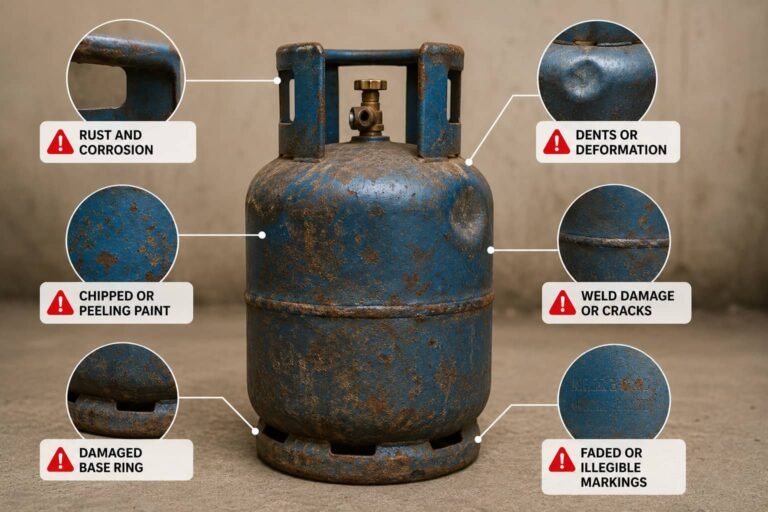
Check the regulator for clear markings, a sound body and fittings that are not cracked, bent or badly worn. Avoid one that looks damaged, has been roughly repaired or does not give you confidence in its quality.
Don’t ignore the hose and connections
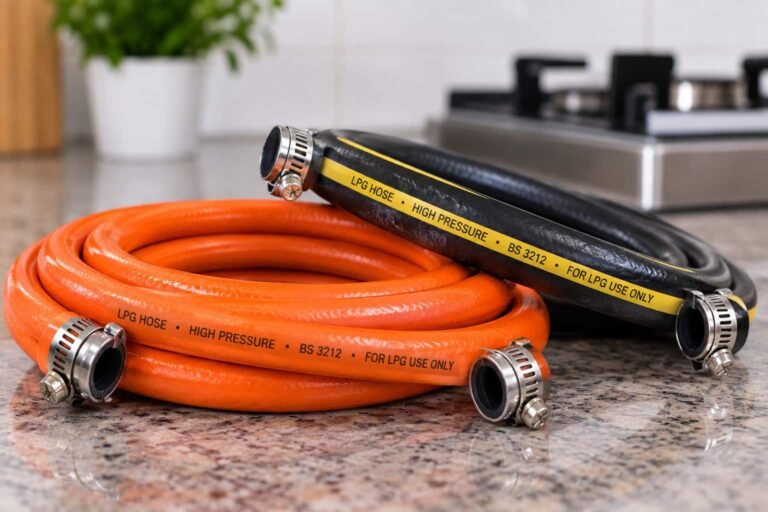
Even the right regulator cannot make an unsafe connection safe. The hose should be suitable for LPG use, in good condition and properly connected to both the regulator and appliance.
If you are replacing a regulator because you noticed a leak, do not simply fit a new one and assume the problem is solved. Check the hose, connections and cylinder valve as well. Our guide on what to do if your gas regulator is leaking explains the immediate safety steps to take.
Should you buy a single-stage or two-stage regulator?
For a typical household cooker, the correct regulator is the one specified for that appliance and installation. Single-stage and two-stage systems are designed for different applications, so this is not simply a matter of choosing the one that sounds more advanced.
If your home has a more complex LPG installation or several appliances connected to one supply, get professional advice rather than guessing based on the number of stages.
When should you replace your gas regulator?
Replace a regulator when it is damaged, malfunctioning, leaking or otherwise no longer suitable for safe use. Don’t wait for it to fail completely before taking action.
If your regulator is old but you are not sure whether it needs replacing, have it inspected by a qualified person. Our guide on when to replace your gas hose and regulator covers other signs worth watching for.
A simple way to choose the right regulator
Before you buy, confirm three things: the regulator matches the cylinder connection, it meets the appliance’s pressure requirement, and it is suitable for LPG service.
Then inspect the regulator and buy from a reputable source. If you are unsure about compatibility, don’t guess. Take the details of your cylinder and appliance to a qualified gas professional or trusted LPG vendor.
FAQs about gas regulators
Can I use any regulator on my gas cylinder?
No. The connection, pressure requirement and intended LPG application all need to be suitable for your setup.
Does a more expensive regulator mean it is better?
Not necessarily. Focus on correct specifications, quality, condition and a reputable source rather than price alone.
Can I install a new regulator myself?
If you are not confident about the connection or installation, use a qualified professional. LPG connections need to be fitted correctly and checked for leaks.
What should I do if the new regulator leaks?
Turn off the gas supply if it is safe to do so, avoid flames and other ignition sources, and ventilate the area. Do not use a flame to search for the leak. If the leak cannot be safely controlled, move away and contact the appropriate emergency or gas service.

8 Comments