Gas Cylinder Refill vs Exchange: Which Is Better for You?
When you run out of cooking gas, you might hear two different options: “we’ll fill your cylinder” or “just bring the old cylinder and take a full one.” These are the two main ways cooking gas is sold to customers through refill and cylinder exchange.
Neither option is automatically better. Your choice depends on the condition of your cylinder, what the vendor offers, how much convenience you want, and whether the gas is actually measured correctly.
What is a gas cylinder refill?
With a traditional refill, you bring your own cylinder to a gas vendor. The vendor fills the cylinder with LPG, and you pay for the amount of gas added rather than for the cylinder itself.
This is the most familiar model for many households in Nigeria. You keep your cylinder and return to the same or another vendor whenever you need a refill.
A major advantage is control over your own cylinder. You can check its condition, markings and requalification date before it is refilled. If the cylinder is in good condition, there is little reason to give it up just for a full one.
What is cylinder exchange?
Cylinder exchange means you hand in an empty cylinder and receive a full cylinder from a vendor operating an exchange service. The exact model varies by provider: some services use their own cylinders, while others may handle customer-owned cylinders through a swap arrangement.
Convenience is the main reason people choose this option. You don’t have to wait while your own cylinder is being refilled. Instead, you exchange the empty cylinder for a full one and continue with your day.
Refill vs. exchange: which is cheaper?
The short answer is that neither one is always cheaper. Compare the cost of the gas by weight, and remember that an exchange service may add its own cost for convenience or delivery.
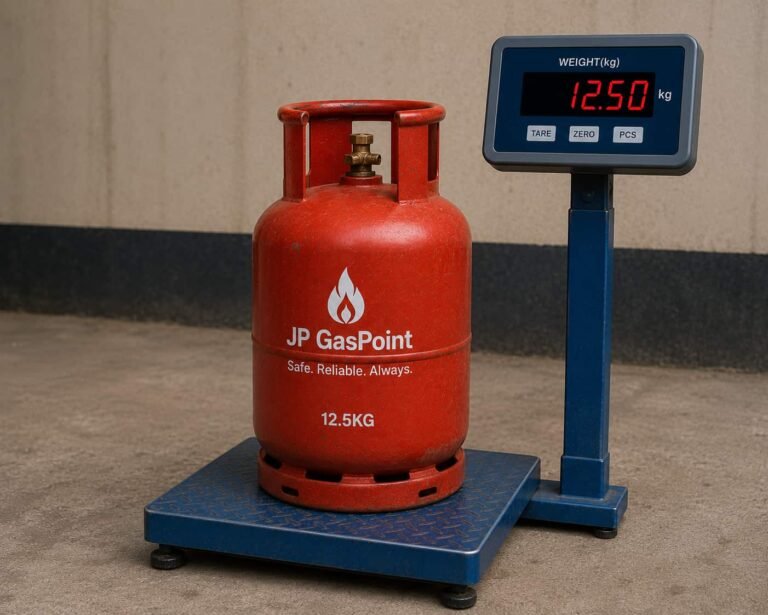
Look past the total price when comparing the two. Ask how many kilograms of LPG you are actually getting, whether the cylinder is included in the price, and whether the provider has a delivery or service fee.
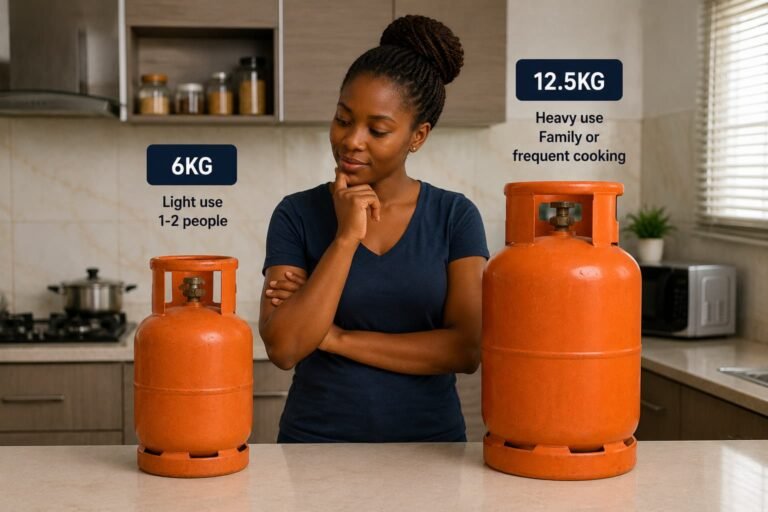
A refill also lets you choose the exact quantity you need. If you only need a small top-up, you don’t necessarily have to pay for a full cylinder. Exchange, on the other hand, is often tied to the size and type of cylinder you receive.
When refill makes more sense
You own a suitable cylinder
If your cylinder is in good condition and compatible with the gas vendor’s service, refilling lets you keep the same cylinder. This is especially useful if you care about its size, condition and history.
You want to top up or refill only what you need
Refill works well when you want to buy less than a full cylinder at once. You pay for the gas that goes into the cylinder rather than simply paying for a set cylinder size.
You want to keep the same cylinder
Some households prefer the cylinder they know. If it fits your cooker well, is in good condition and has been properly maintained, keeping it can be the simpler choice.
When exchange makes more sense
You want to avoid carrying the cylinder
If you prefer doorstep delivery or don’t want to carry an empty cylinder to a shop, an exchange service can be more convenient. Some providers collect the empty cylinder and deliver a full one to your home.
The provider offers a clear exchange system
Exchange services are not all the same. Some providers use their own cylinders, while others may accept different cylinder brands or make swaps under specific conditions. Ask what happens to your empty cylinder before you commit to the service.
What to check before you exchange or refill
Regardless of which method you use, the value of the service depends on the quality of the vendor. Before paying, check that the price is clear, the cylinder is appropriate for the service, and the gas will be measured by weight. If you are unsure whether you are getting a fair deal, our guide on how to tell if you’re being overcharged for cooking gas can help.
For an exchange, look at the general condition of the cylinder you receive and make sure it is suitable for use. If you are keeping your own cylinder, check its condition and requalification information. Our guide on how to read your gas cylinder’s manufacture and requalification date explains what to look for.
Which one should you choose?
For most households, refill is a good fit when your cylinder is in good condition and you want to keep it as your own. It also gives you more flexibility over how much gas you buy at one time.
Exchange makes more sense when convenience is the main priority, especially when a provider offers a reliable doorstep service. Before switching, understand the exchange terms and what happens to your empty cylinder.
Whatever you choose, don’t just compare the price on the sign. Compare the quantity of LPG, the condition of the cylinder, and the overall service you are receiving. If you are in Lagos and need a safe, well-measured refill or a convenient doorstep option, JP GasPoint Limited can help.
FAQs about gas cylinder refill and exchange
Is a cylinder exchange cheaper than a refill?
Not necessarily. Compare the amount of gas included, any delivery or service charges, and what cylinder you receive.
Will I keep my own cylinder if I use an exchange service?
It depends on the provider. Some exchange programmes manage their own cylinders, while others offer different swap arrangements. Ask before you switch what happens to yours.
Can I still get a specific amount of gas with an exchange?
If the provider offers flexible fills, the amount can be adjusted as with a normal refill. Other exchange services work by standard cylinder sizes, so check the terms before ordering.
Is changing to exchange a safer option?
Not by default. Safety depends on the condition of the cylinder, the vendor’s process, and whether unsafe cylinders are removed from service. Choose a provider that pays attention to cylinder condition and proper handling.