
How to Budget for Cooking Gas Each Month in Nigeria
If cooking gas seems to finish at the wrong time every month, the problem may not be how much you cook. It may simply be that you do not have a clear idea of what your household normally uses. Learning how to budget for cooking gas each month can help you plan refills, avoid last-minute spending and understand when your gas consumption is changing.
The good news is that you do not need a complicated spreadsheet. With your cylinder size, refill history and a rough idea of your cooking routine, you can build a monthly estimate that is actually useful.
Budget around your actual usage
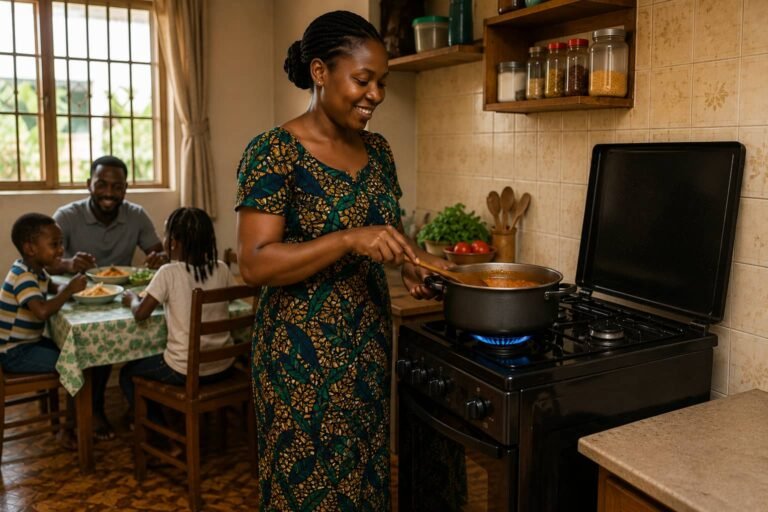
A cooking gas budget should begin with what your household normally uses, not with a fixed amount someone else says you should spend. A family that cooks three meals a day will naturally use more LPG than someone who cooks only once or twice a day.
Your household size, cooking frequency, burner size, cooking habits and even the condition of your cooker can affect how quickly gas is consumed. That is why tracking your own refills for a few months is usually more helpful than relying on a general estimate.
Know how much gas your cylinder holds
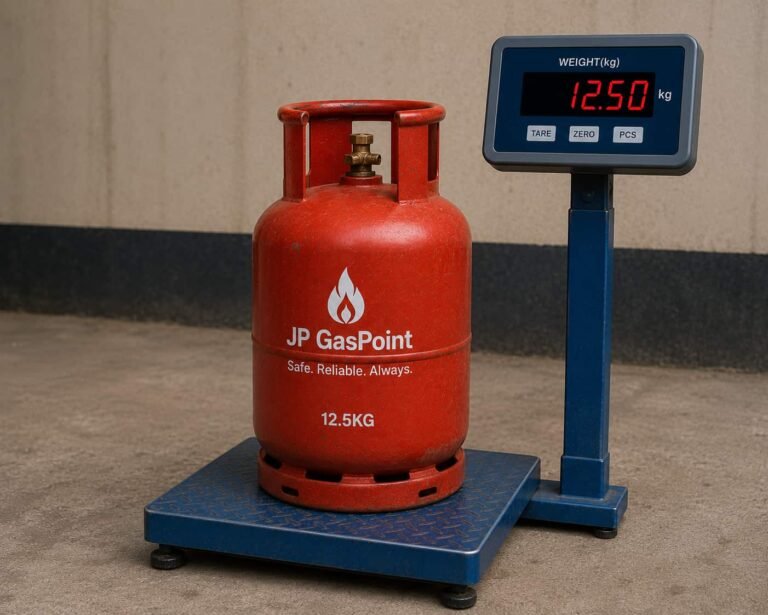
Before setting a budget, check the LPG capacity of your cylinder. Common household sizes include 6kg and 12.5kg, although other sizes are also available.
The cylinder size matters because your refill cost depends largely on the number of kilograms you buy and the price per kilogram at the time of purchase. If you are unsure about your cylinder size, check the markings on the cylinder rather than guessing from its physical appearance.
Track your refills before setting a monthly target
For the next two or three refills, write down the date, the number of kilograms purchased and the amount you paid. Also note roughly how long the gas lasted before the next refill.
For example, if a household usually buys 12.5kg and needs a refill about every four weeks, that gives you a much stronger starting point than simply deciding on a random monthly amount.
You can also keep your refill receipts or record the information in your phone. The goal is not perfect accounting. You are simply trying to discover your household’s normal pattern.
Calculate your basic monthly gas budget
Once you know how much gas your household normally uses, the calculation is straightforward:
- Estimate the kilograms your household normally uses in a month.
- Multiply that amount by the current price per kilogram you pay.
- Add a small buffer for price changes or a heavier-than-usual cooking month.
For example, suppose your household normally uses about 25kg of LPG in a month and your supplier’s current price is ₦1,500 per kilogram. Your basic monthly gas budget would be ₦37,500.
That ₦37,500 is only an illustration, not a recommended current Nigerian price. Your actual refill price will depend on your location, supplier and the market at the time you buy. The important part is the calculation: monthly kilograms multiplied by the current price per kilogram gives you your basic gas budget.
Leave room for price changes
LPG prices in Nigeria can move because of supply conditions, transport costs, demand, exchange-rate pressures and other operating costs. Your local refill price can also differ from what someone pays in another part of the country.
If your normal monthly gas spending is a particular amount, do not treat that figure as a permanent price. A better approach is to keep a small reserve in your household budget so an unexpected price increase does not catch you completely off guard.
If you want to understand why your refill price can change even when your usage has not, see our guide on why cooking gas prices change so often in Nigeria.
Do not confuse a bigger refill with higher gas consumption
Sometimes people think they are suddenly using far more gas because a refill costs more. But a higher bill does not automatically mean your cooker is consuming more LPG.
Check both sides of the equation: how many kilograms you bought and how much you paid per kilogram. If you bought the same quantity but the price per kilogram increased, your household usage may not have changed at all.
What if your cylinder is finishing much faster than usual?
A sudden change in consumption is worth investigating before simply increasing your monthly gas budget. Cooking more often, using larger burners, hosting visitors or preparing meals that require long cooking times can all increase usage.
But unusual gas consumption can also point to a problem with the cooker, regulator, hose or connections. If you notice a gas smell, hissing, an abnormal flame or another warning sign, stop and deal with the safety issue rather than treating the extra gas use as normal.
Our guide on how long a 12.5kg gas cylinder should last can help you understand the factors that affect LPG consumption.
A simple monthly gas budget you can actually use
You can keep your household plan as simple as four figures:
- Expected monthly usage: the approximate kilograms your household normally needs.
- Current refill price: what your supplier is charging per kilogram.
- Expected monthly spend: usage multiplied by price.
- Price buffer: a little extra set aside for price changes or unusually heavy use.
Review those figures whenever your cooking routine changes significantly or your refill pattern starts looking different. After a few months, you should have a much clearer picture of what cooking gas normally costs your household.
Should you buy more gas just because the price is lower?
A lower price can be useful, but do not let a temporary discount push you into unsafe storage or buying more LPG than your household can properly store. Cylinder capacity, storage conditions and your normal consumption should still guide your decision.
If you are keeping a spare cylinder, make sure it is stored safely and in a suitable, well-ventilated location. You can read our guide on the safest place to keep a gas cylinder at home before making storage changes.
FAQs
How much should I budget for cooking gas each month?
There is no single amount that works for every household. Start with your actual monthly kilogram usage, multiply it by the current local refill price and add a small buffer for price changes.
Why does my gas budget change from month to month?
Your cooking habits may change, and LPG prices can also change. A month with more cooking, visitors or longer cooking times can require more gas than usual.
Is a higher refill bill proof that my cooker is wasting gas?
No. Check the quantity purchased and the current price per kilogram first. If the cylinder is actually running out much faster than your normal pattern, then investigate your cooking habits and equipment.
How can I reduce unexpected cooking gas expenses?
Track your refills, plan around your normal consumption, keep a small price buffer and maintain your cooker and gas equipment properly. Avoid trying to save money by compromising on cylinder safety or using damaged equipment.
A gas budget should make cooking easier, not stressful
You do not need to predict the exact amount you will spend on LPG every month. You simply need a realistic estimate based on your household’s own refill history, current local prices and a little room for change.
Once you start tracking those numbers, gas refills become easier to plan. And when you notice a sudden change in how quickly your cylinder is emptying, you have useful information to investigate instead of simply spending more.
At JP GasPoint, we help customers with properly weighed LPG refills and convenient delivery around Bucknor and Community Road, Ago Palace. If you need a refill, you can contact us and we will help you plan it safely and conveniently.