How to Choose the Right Gas Hose for Your Cooker
You may not think much about the short hose connecting your gas regulator to your cooker. It sits behind the appliance, does its job quietly and is easy to forget. But because LPG passes through it every time you cook, choosing the right hose and keeping it in good condition matters.
Knowing how to choose the right gas hose for your cooker can help you avoid a poor-quality connection, unnecessary leaks and problems caused by heat, age or physical damage. The good news is that you do not need to be a gas technician to understand the important things to look for.
What Does a Gas Hose Do?
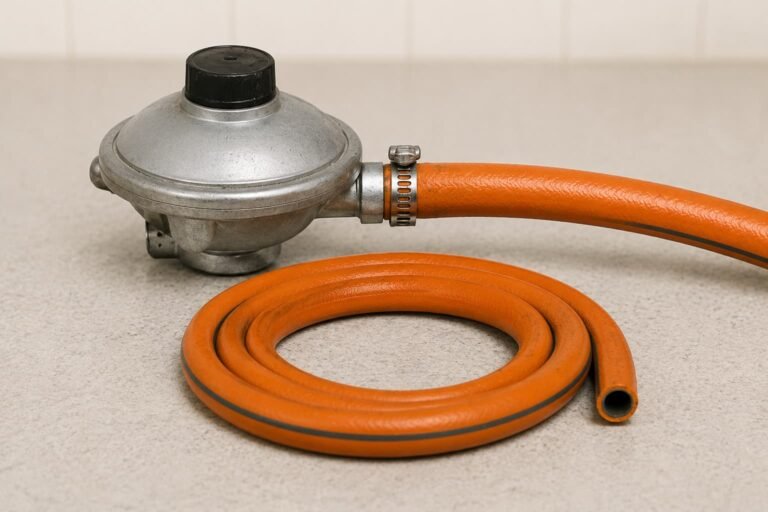
The gas hose provides the flexible connection between the regulator and the appliance. In a typical household setup, LPG flows from the cylinder through the regulator and then through the hose to the cooker.
That makes the hose more than just a piece of rubber or flexible tubing. It forms part of the gas system, so you need a hose that suits LPG, matches the fittings and stays away from conditions that can damage it.
Choose a Hose Designed for LPG
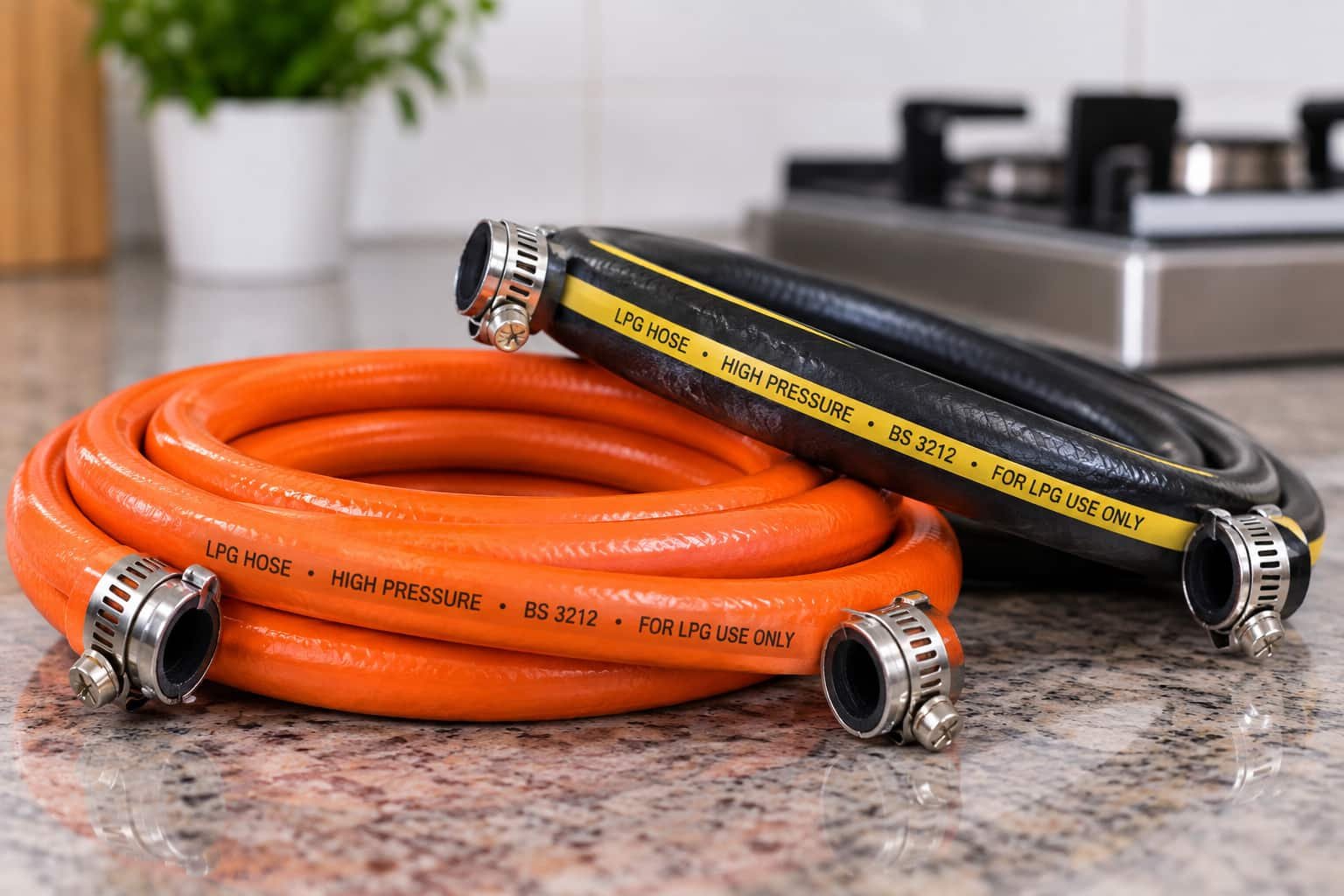
Start by checking whether the hose manufacturer designed and approved it for LPG or for the type of gas installation you use. Do not assume that an ordinary rubber tube, water hose or other flexible tubing will work safely just because it fits over a connection.
Look for the manufacturer’s markings, specification and intended use. If you are unsure whether a hose suits your cooker and LPG setup, ask a qualified gas professional or a reputable LPG equipment supplier before installing it.
Check the Hose and Fittings Together
A good hose can still create a poor connection when the fittings do not match. Make sure the hose, regulator outlet, appliance connection and any clips or fittings work together and hold securely.
Do not force a hose onto a connection that does not match it. If the connection feels loose, requires excessive force or looks improvised, stop and have the setup checked rather than trying to make it work.
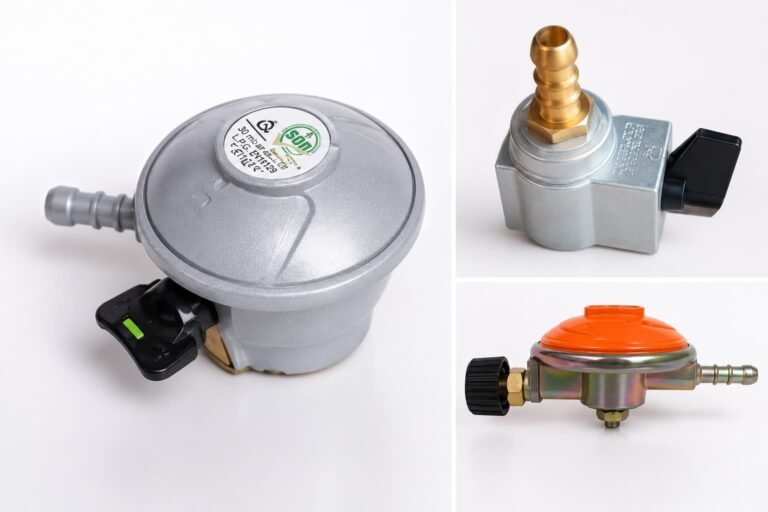
If you are also replacing your regulator, our guide on how to choose the right gas regulator explains what to consider before buying one.
Pay Attention to Heat and Position
Where the hose sits matters. Keep it away from hot parts of the cooker and direct flame. Also protect it from crushing, sharp bends and repeated rubbing against hard surfaces.
Arrange the hose so it follows a sensible route between the regulator and cooker without unnecessary loops or tension. A hose that touches a hot surface every day can deteriorate faster than one kept in a suitable position.
How to Tell When a Gas Hose Needs Attention
Do not wait for a major problem before checking the hose. Look for visible cracks, splits, cuts, serious abrasions, swelling, hardening, soft spots, loose connections or signs of excessive heat.
A strong gas smell around the cooker or cylinder also needs attention. If you suspect an LPG leak, turn off the gas supply if you can do so safely, avoid flames and other ignition sources, and never use a flame to search for the leak. If the smell persists or you cannot safely identify the problem, leave the area and seek professional help.
You can also read our guide on what to do when your gas smells if you notice a strong LPG odour.
How Often Should You Replace a Gas Hose?
There is no single replacement interval for every hose and installation. Follow the manufacturer’s instructions and consider the hose specification, condition and environment.
Replace a hose when the manufacturer recommends replacement or sooner if you see damage, deterioration or other signs that the hose no longer meets the needs of your installation.
For more guidance, see our article on how often to replace your gas hose and regulator.
A Simple Gas Hose Checklist
- Make sure the hose is designed for LPG and suits your installation.
- Check that the hose and fittings match and hold securely.
- Keep the hose away from flames and excessive heat.
- Avoid sharp bends, crushing, rubbing and unnecessary tension.
- Inspect it regularly for cracks, cuts, swelling or deterioration.
- Replace it when the manufacturer recommends replacement or when its condition becomes unsafe.
Frequently Asked Questions
Can I use any rubber hose for a gas cooker?
No. Choose a hose that suits LPG and matches the appliance and fittings. A tube that happens to fit physically does not automatically make it safe for gas service.
How do I know if my gas hose is bad?
Look for cracking, cuts, swelling, hardening, abrasion, heat damage, loose connections or other visible deterioration. A gas smell also signals a problem that needs prompt attention.
Can a gas hose touch the cooker?
Keep the hose away from excessive heat and direct flame. Do not let it rest against hot cooker parts because heat can damage the hose.
What should I do if I smell gas near the hose?
If you can do so safely, shut off the gas supply, avoid flames and other ignition sources, and do not switch electrical equipment on or off in the area. Move to a safe place and get professional assistance if the smell continues or you cannot safely identify and resolve the problem.
Final Thoughts
A gas hose may be one of the least noticeable parts of your cooking setup, but it deserves the same attention as your cylinder, regulator and cooker. Choose a hose made for LPG, make sure the fittings match, keep it away from damaging heat and replace it when its condition or service life calls for it.
At JP GasPoint, we help customers around Bucknor and Community Road, Ago Palace with properly weighed LPG refills and practical guidance on safe gas equipment. If you need help choosing or checking your gas equipment, contact us and we will be happy to help.