What Does a Gas Regulator Do? A Simple Guide for LPG Users
If you have ever looked at the small device attached to your gas cylinder and wondered what it actually does, you are not alone. The gas regulator is one of the most important parts of a household LPG setup, but many people only think about it when something goes wrong.
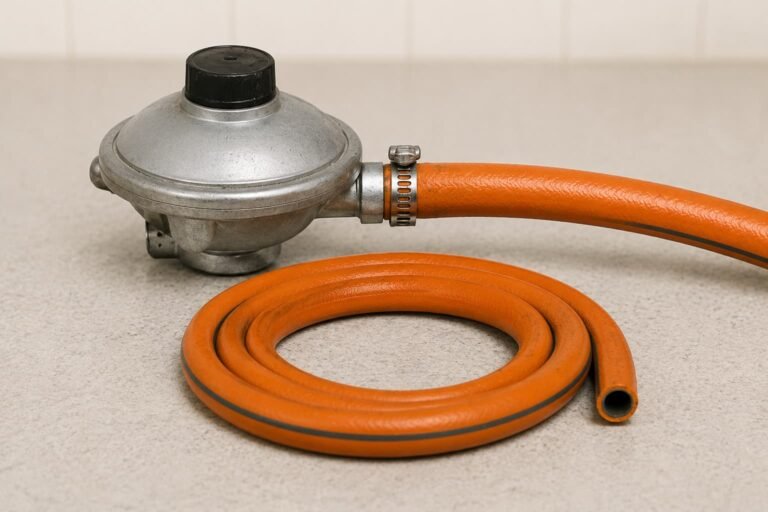
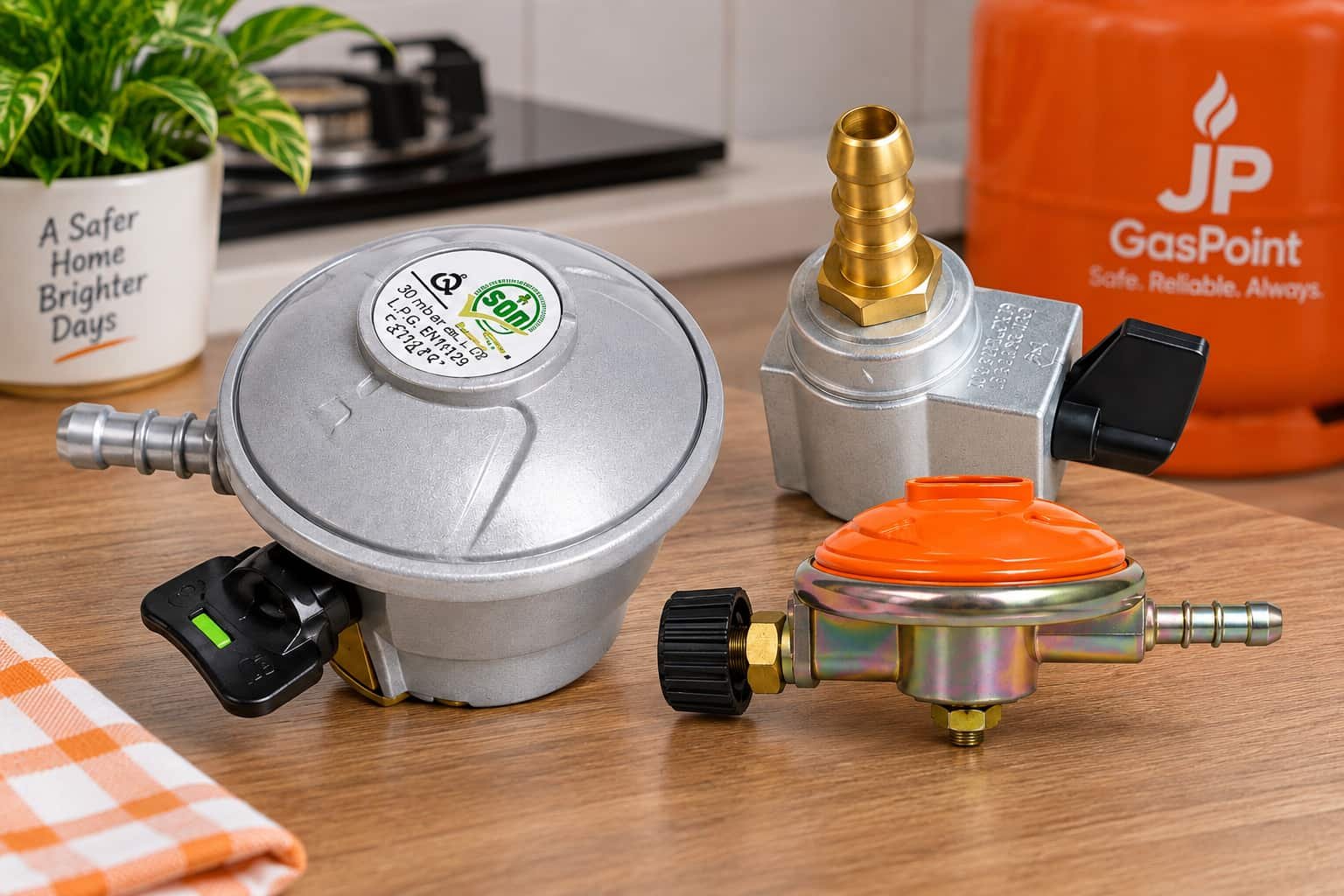
So, what does a gas regulator do? In simple terms, it helps control the pressure of gas coming from the cylinder so that the cooker can receive gas at a suitable pressure for normal operation.
The regulator is more than a connector
It is easy to think of the regulator as simply the piece that connects the cylinder to the hose. But its job is more important than that.
An LPG cylinder contains gas under pressure. The regulator helps reduce and control that pressure before the gas travels through the hose to the appliance. Without suitable pressure control, the cooker may not operate as intended.
How does a gas regulator work?
You do not need to understand the internal mechanism to use one safely. The basic idea is straightforward.
The cylinder supplies LPG at a higher pressure than the cooker needs. The regulator reduces that pressure to a controlled level suitable for the appliance. It then allows gas to flow through the connected hose when the system is being used.
The exact regulator type and pressure specification depend on the appliance and LPG system, which is why using a random regulator simply because it fits the cylinder is not a good idea.
Why is the right regulator important?
A regulator that is suitable for your cylinder and cooker helps the system operate within the intended pressure range. That matters for both performance and safety.
If the regulator is unsuitable, damaged or malfunctioning, the gas supply may not behave as it should. You may notice poor burner performance, unusual flames, a smell of gas or other problems that need attention.
For a more detailed buying guide, see how to choose the right gas regulator for your cylinder.
Signs that your regulator may have a problem
A regulator does not always fail dramatically. Sometimes there are smaller warning signs.
- Gas smells around the regulator or connection.
- You hear hissing when the system should not be releasing gas.
- The cooker flame behaves unusually or keeps changing.
- The regulator or connection shows visible damage or corrosion.
- The regulator does not connect or lock correctly.
- The regulator has become difficult to operate or shows signs of wear.
These signs do not always prove that the regulator itself is the cause. The hose, valve, cooker or another connection may be responsible. That is why a suspected fault should be checked rather than guessed at.
Can a bad regulator make a cooker flame weak?
It can be one possible cause of poor gas flow, but it is not the only one. A weak or unusual flame can also be related to a dirty burner, a blocked burner port, an incorrect connection or another appliance problem.
If your flame is yellow instead of blue, for example, do not immediately assume the regulator is the problem. Our guide on why a gas flame can turn yellow instead of blue explains other possible causes.
When should you replace a regulator?
Replace a regulator when it is damaged, leaking, badly corroded, no longer functioning correctly or no longer suitable for the cylinder and appliance it is connected to.
Do not keep using a component just because it still looks usable from the outside. Internal wear or a connection problem may not always be obvious.
If you suspect the regulator is leaking, stop using the setup and follow safe gas-leak procedures. You can also read our guide on what to do if your gas regulator is leaking.
Do not force a regulator onto a cylinder
A regulator should fit the cylinder connection it is designed for. If it does not fit properly, do not force it, modify it or improvise a connection.
Using makeshift fittings can create leaks and can also make the system difficult to shut off safely. If you are unsure about compatibility, ask a qualified gas professional or a reliable LPG supplier to check it.
FAQs about gas regulators
Does every gas cylinder use the same regulator?
No. Connection types and pressure requirements can differ. The regulator must be compatible with the cylinder and the appliance.
Can I repair a faulty gas regulator myself?
It is safer not to dismantle or improvise repairs on a faulty regulator. Replace a damaged or malfunctioning unit with a suitable component or have it assessed by a qualified professional.
How long does a gas regulator last?
There is no single replacement interval that applies to every regulator. Condition, quality, usage and manufacturer guidance matter. Inspect it regularly and replace it when it shows damage, wear or signs of malfunction.
What should I do if I smell gas near the regulator?
Treat it as a possible leak. Avoid flames and other ignition sources, shut off the gas if you can do so safely, move away from the area and get appropriate professional help. Do not use a flame to look for the leak.
A small component with an important job
The gas regulator may be a small part of your LPG setup, but it plays an important role in controlling the gas pressure supplied to your cooker.
The safest approach is simple: use a compatible regulator, keep the connections in good condition, pay attention to warning signs and replace damaged components rather than improvising repairs.
At JP GasPoint, we are happy to help customers choose suitable LPG equipment and understand how to use it safely. If you need a gas refill or accessories around Bucknor and Community Road, Ago Palace, we are here to help.