Signs Your Gas Cylinder Is Unsafe and Should Be Replaced
Your cylinder is the one part of your gas setup built to last for years. But it does not last forever. A worn or damaged cylinder is a genuine safety risk, and most people never think to check theirs. The good news is that spotting an unsafe gas cylinder is easy once you know what to look for.
This guide walks through the warning signs, one by one. We handle cylinders every day in Lagos, so we know exactly what a tired one looks like. A two-minute check now can save you a lot of trouble later.
Why cylinder condition matters
A cylinder holds gas under pressure, so its strength is everything. Rust, dents, and damage all weaken the metal over time. A weakened cylinder is more likely to leak, and that is the risk you want to avoid. Checking its condition now and then is simple, and well worth the minute it takes.
Heavy rust
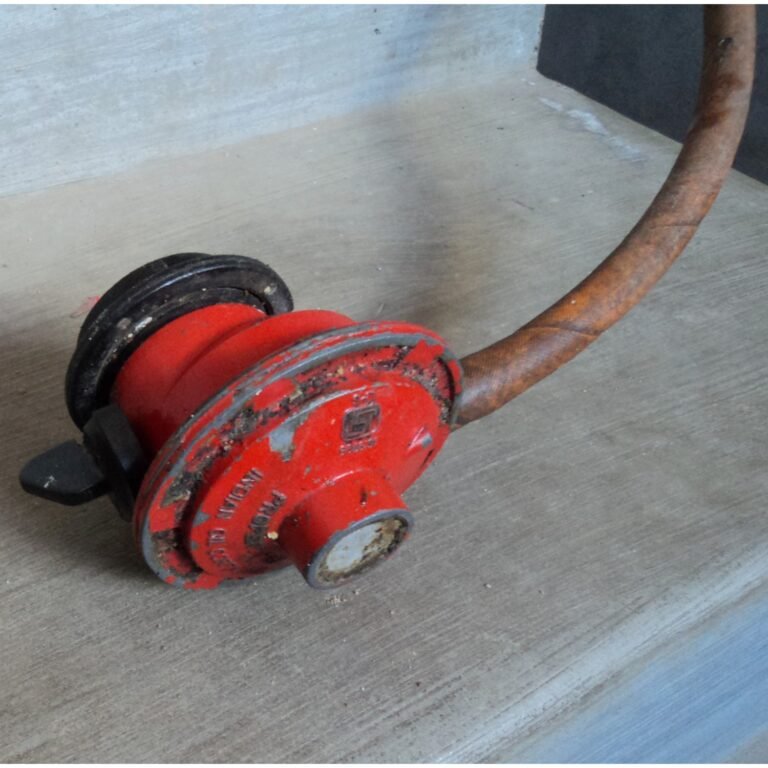
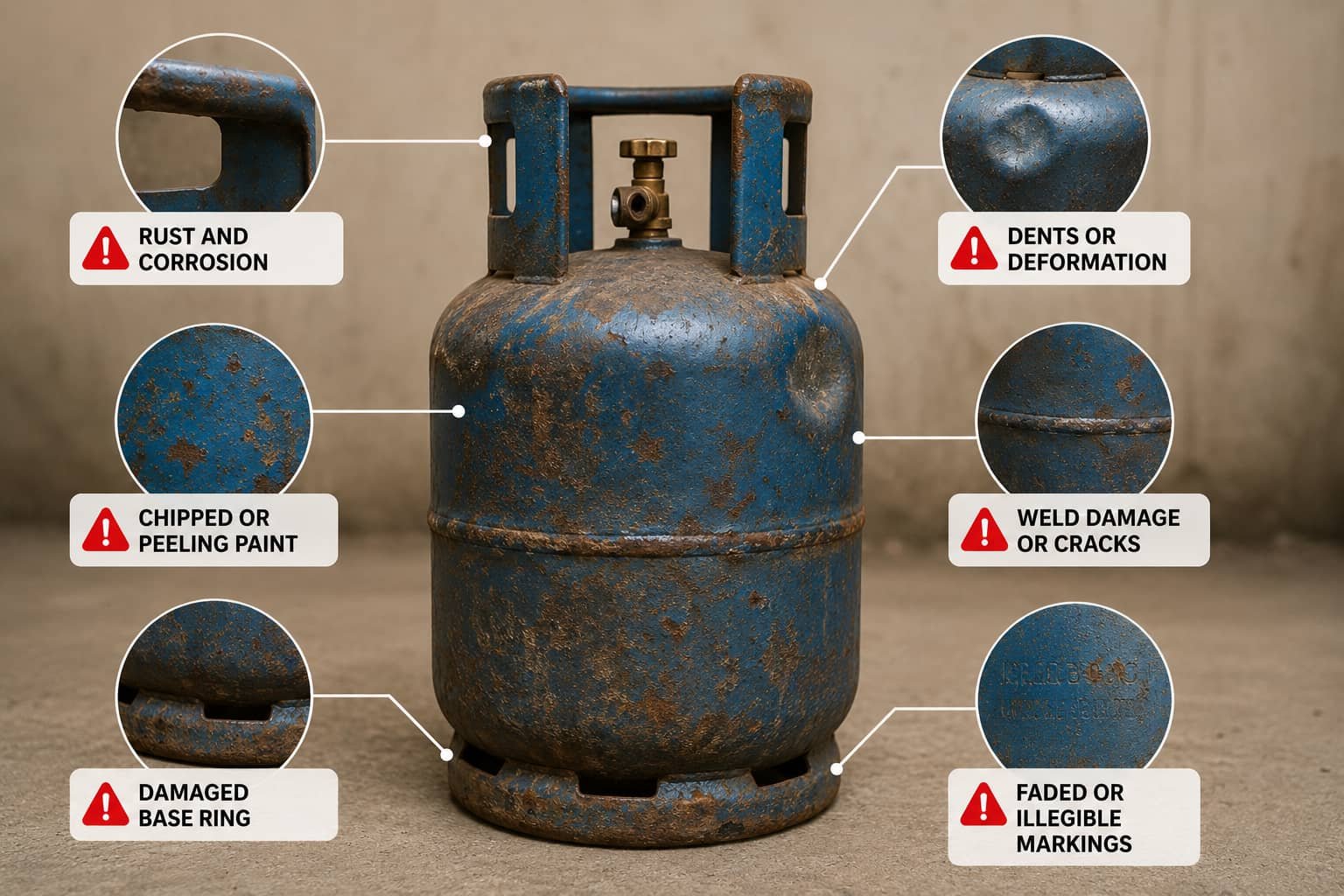
A little surface rust is common and usually harmless. Deep rust is not. When rust starts to pit and eat into the metal, it thins the cylinder wall. Pay special attention to the bottom, where the cylinder sits on damp floors. If the rust flakes away to reveal deep damage, treat the cylinder as unsafe.
Dents and bulges
Look the body over for dents and, more importantly, bulges. A deep dent weakens the metal at that point. A bulge is more serious still, since it can signal stress in a pressurised cylinder. Small scuffs are fine, but a noticeable dent or swelling means the cylinder should be checked or replaced.
A damaged base or foot ring
The base ring is the part that rusts first. It sits on the floor, soaks up moisture, and quietly corrodes. Check that the foot ring is solid and not eaten away. A weak base is a double problem. It weakens the cylinder, and it makes it wobble and prone to tipping. If the base is badly gone, retire the cylinder.
A faulty valve
The valve at the top matters as much as the body. If it hisses, will not close fully, or leaks when a regulator is fitted, something is wrong. Do not force a stiff or damaged valve. A cylinder with a faulty valve should go back to a proper gas plant, not stay in your kitchen.
A very old or untraceable cylinder
Cylinders are not meant to last forever. A very old one, or one with no clear markings, is a gamble. You cannot tell its history or whether it has been properly checked. It is far safer to use cylinders from a reputable source, and to exchange rather than cling to a suspect one. When a cylinder’s past is a mystery, do not trust it with your kitchen.
How to check your cylinder
Checking takes two minutes. Every so often, run your eyes and a hand over the whole cylinder. Look for deep rust, dents, and bulges, and inspect the base carefully. Then brush a little soapy water around the valve and watch for bubbles. Our cooking gas safety guide explains the leak test in full.
What to do with an unsafe cylinder
If a cylinder fails the check, stop using it. Do not try to repair it, and never paint over rust to hide it. That only masks the danger. Instead, take it back to a reputable gas plant, where it can be inspected, repaired, or safely retired. Then exchange it for a sound one. A good cylinder is not expensive next to your safety.
How to avoid a bad cylinder in the first place
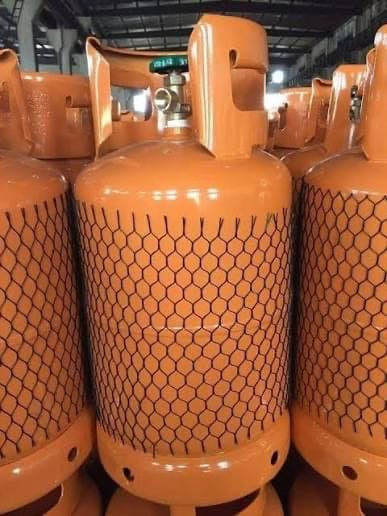
Prevention is easier than replacement. Buy and exchange your cylinders from vendors you trust. Before you accept any cylinder, give it a quick look for rust, dents, and a solid base. A reliable supplier will always hand you a cylinder in good shape. Our equipment guide covers what a good cylinder should look like.
Your cylinder safety checklist
- Check for deep rust, especially around the base.
- Look for dents, and any bulges in the body.
- Make sure the foot ring is solid and steady.
- Test the valve for hissing or a poor seal.
- Be wary of very old or unmarked cylinders.
- Exchange a suspect cylinder rather than risk it.
Frequently asked questions
How long does a gas cylinder last?
A well-kept cylinder lasts many years. What matters more than age is its condition, so judge it by rust, dents, and the state of the valve and base.
Is a rusty gas cylinder dangerous?
Light surface rust is usually fine. Deep rust that pits the metal is dangerous, since it thins the wall. When in doubt, exchange it.
Can a dented cylinder still be used?
A tiny scuff is fine, but a deep dent or a bulge is not. Either weakens the metal, so the cylinder should be checked or replaced.
What should I do with an old cylinder?
Take it to a reputable gas plant to be inspected or safely retired, then exchange it. Do not dump it or try to repair it yourself.
Your cylinder is easy to overlook, but it is worth a regular glance. Check it for deep rust, dents, a solid base, and a sound valve. When something looks wrong, do not take the chance, exchange it for a good one. That simple habit keeps your kitchen safe for years.
If you are in Lagos, we supply sound cylinders and offer honest exchanges. Read our equipment guide for more, see our services, or message us on WhatsApp.