How to Spot a Fake or Counterfeit Gas Regulator
Not every regulator on the market does what it claims. Counterfeit and substandard regulators are a real problem, and they can look close enough to a genuine one that most people would never spot the difference at a glance. Knowing how to spot a fake gas regulator is one of the more useful skills a gas user can have.
We deal with genuine and counterfeit regulators side by side often enough to know the tells. Here is what separates the real thing from a dangerous imitation.
Why this matters more than it seems
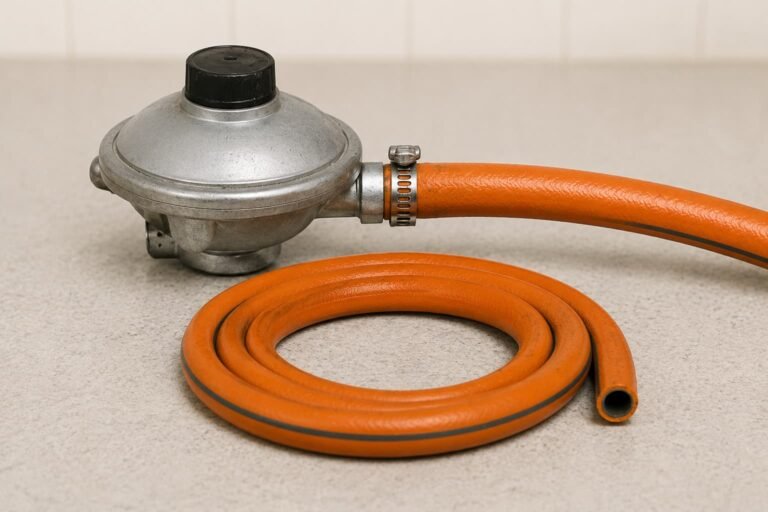
A regulator’s one job is controlling gas pressure, precisely and consistently. A counterfeit regulator may not do this correctly, which defeats the entire purpose of having one. This is not a cosmetic shortcut, it goes to the heart of what keeps gas contained and controlled between the cylinder and your cooker. A little more care when buying is far cheaper than the risk of getting this wrong.
Check the weight and feel
Genuine regulators have a certain solid heft to them. A counterfeit often feels noticeably lighter, or the plastic and metal feel thinner and cheaper in your hand. If a regulator feels flimsy compared to one you already trust, treat that as a real warning sign, not a minor detail. Pick it up, turn it over, and trust what your hands are telling you.
Look for proper markings and certification
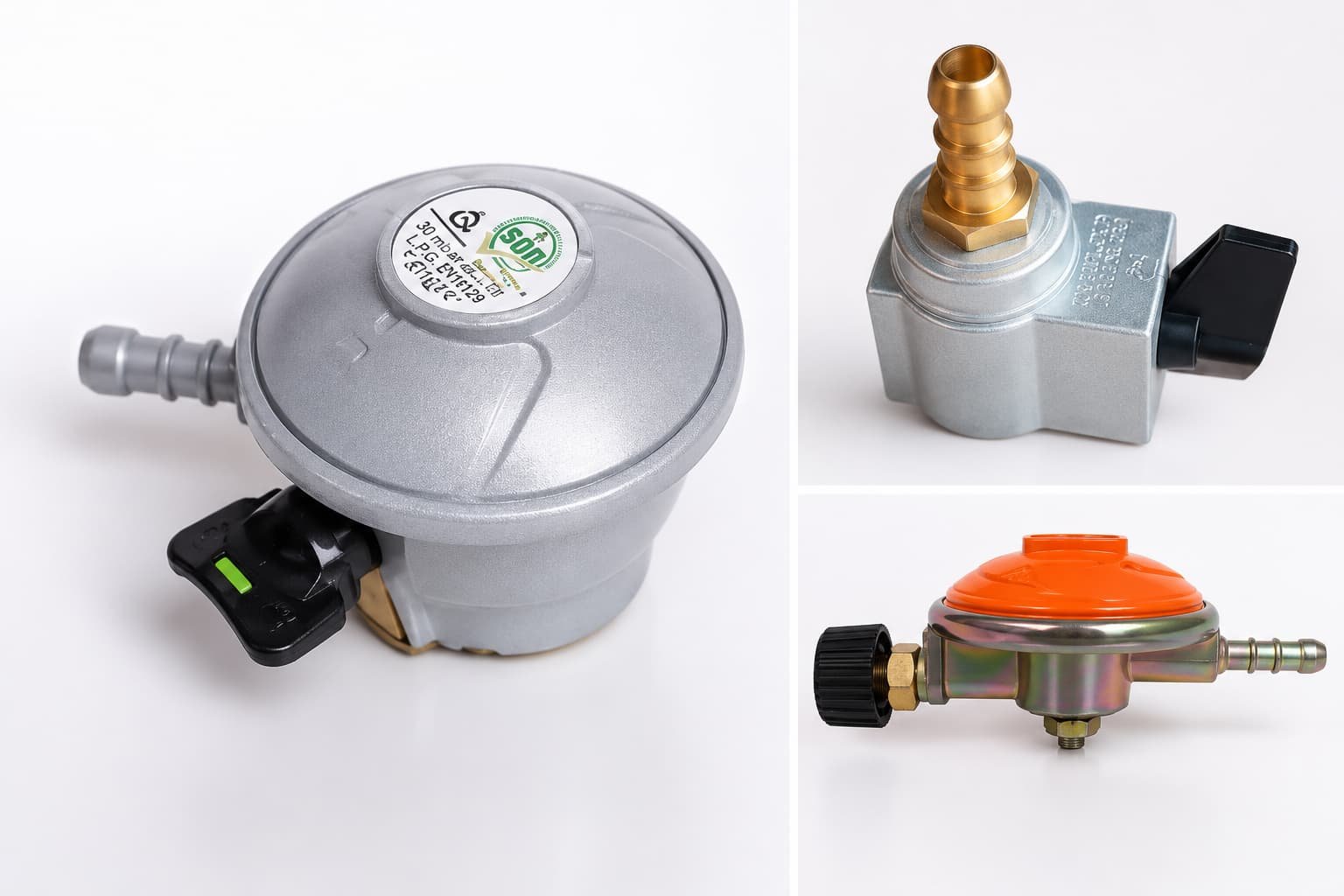
Genuine regulators carry clear markings, a pressure rating, a certification mark, and usually a batch or manufacture code. Look closely at the printing too. Blurry text, an oddly spelled brand name, or a label that looks like it could peel off are all signs of an imitation. Genuine equipment is proud to show its credentials clearly, right there on the body.
Check how it seats and locks
A genuine regulator seats onto the valve firmly and predictably, with a clean, confident click or thread. A counterfeit often fits loosely, sits at a slight angle, or needs force to seat at all. If something needs persuading to fit properly, that resistance is telling you something important. Our equipment guide explains how a properly fitted regulator should feel.
Check that it matches your valve type
A genuine regulator is also the correct regulator, matched to your cylinder’s valve. Clip-on and screw-on valves need different regulators, and forcing the wrong type is both a fit issue and a safety issue. A regulator that will not seat cleanly might simply be the wrong type, so check this before assuming it is fake.
Be wary of prices that seem too good
Genuine, certified regulators cost a certain amount to manufacture properly. One priced dramatically below everything else nearby is a signal to look closer, not a bargain to grab quickly. If a deal feels too good to be true on safety equipment specifically, it usually is.
Buy from sellers you can trust
The most reliable protection is simply where you buy. A reputable vendor, gas plant, or established hardware shop has a reputation to protect and generally sources genuine equipment. An unfamiliar roadside stall selling unbranded regulators at a steep discount deserves more scrutiny. Our guide to choosing a vendor applies just as much to equipment as it does to gas itself.
Test it before you rely on it
Whatever you buy, and wherever you buy it, test it before trusting it fully. Fit it carefully, then run the soapy water leak test around the valve connection. Genuine equipment passes this test cleanly. If it hisses, bubbles, or will not seat properly, do not use it, take it back instead. Our safety guide covers the leak test in full.
Do not forget the cylinder
A genuine regulator paired with a fake or substandard cylinder is still a real risk, the two need checking separately. Our companion guide on spotting a fake or counterfeit gas cylinder covers exactly what to look for there.
Your quick regulator check
- Does it feel solid, not thin or light?
- Are the markings clear, sharp, and properly spelled?
- Does it seat firmly, without forcing?
- Does it match your cylinder’s valve type?
- Is the price sensible, not suspiciously low?
- Does it pass the soapy water leak test?
Frequently asked questions
How common are counterfeit regulators in Nigeria?
Common enough to take seriously, especially with unbranded or unusually cheap regulators sold outside reputable outlets. A careful check at the point of purchase is well worth the minute it takes.
What happens if I use a fake regulator?
It may fail to control gas pressure properly, leak, or wear out far sooner than a genuine part. Replace it immediately if you suspect it is not genuine.
My regulator will not seat properly, is it fake?
Not necessarily. First check it is the correct type for your valve, clip-on or screw-on. If it is the right type and still will not seat, that points more strongly to a poor-quality part.
Is it safe to test new equipment before regular use?
Yes, and it is strongly recommended. Fit it, run the soapy water leak test, and only rely on it fully once it passes cleanly.
Spotting a fake gas regulator comes down to a few careful checks: how it feels, what it says, how it fits, and where it came from. None of this takes long, and it is the difference between equipment that quietly does its job for years and one that fails when you can least afford it.
If you are in Lagos, we only stock and sell genuine, certified regulators. See our services, read our equipment guide, or message us on WhatsApp.