
What Is a Gas Cylinder Valve? What LPG Users Should Know
Most people notice the gas cylinder, the regulator and the hose. The small valve at the top of the cylinder usually gets much less attention.
But that valve is one of the most important parts of the setup. It controls LPG into and out of the cylinder. The connection to the rest of your cooking-gas system depends on it being in good condition.
What is a gas cylinder valve?
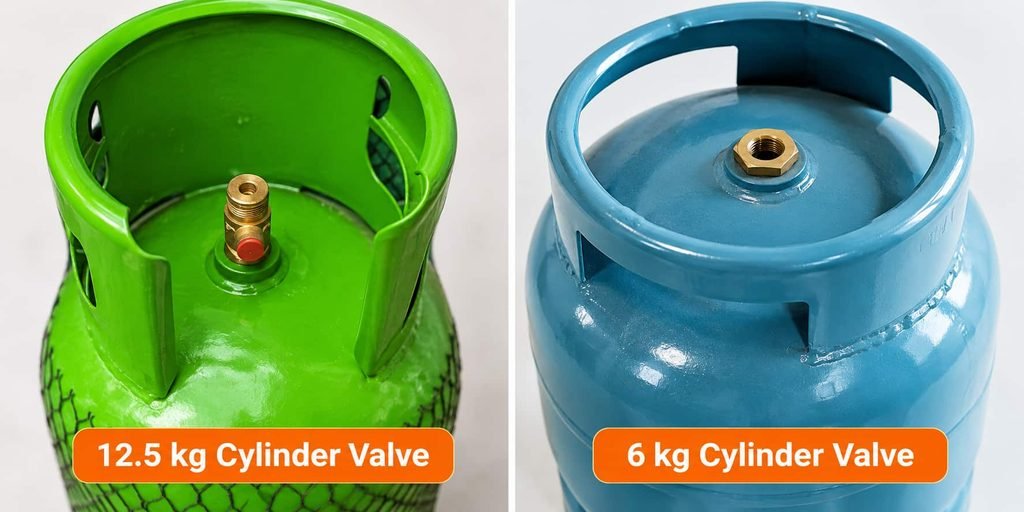
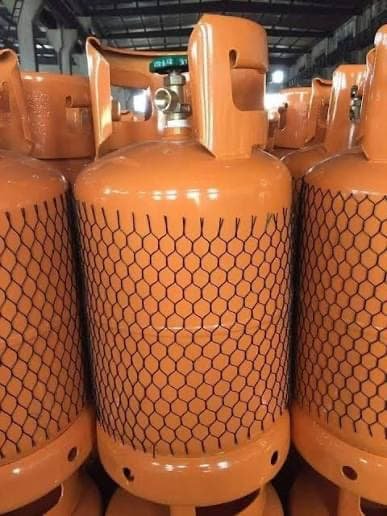
A gas cylinder valve is the fitting installed at the top of an LPG cylinder. It controls the passage of gas. It also provides the connection used during filling and normal use.
Valves can have different designs depending on the cylinder and connection system. Some domestic cylinders use self-closing or clip-on arrangements. Others use hand-operated valves. The important point is simple: the valve and connected equipment must be compatible.
What does the valve actually do?
Think of the valve as the controlled doorway between the LPG cylinder and the equipment connected to it.
- During refilling: the cylinder valve is part of the connection through which LPG is transferred into the cylinder.
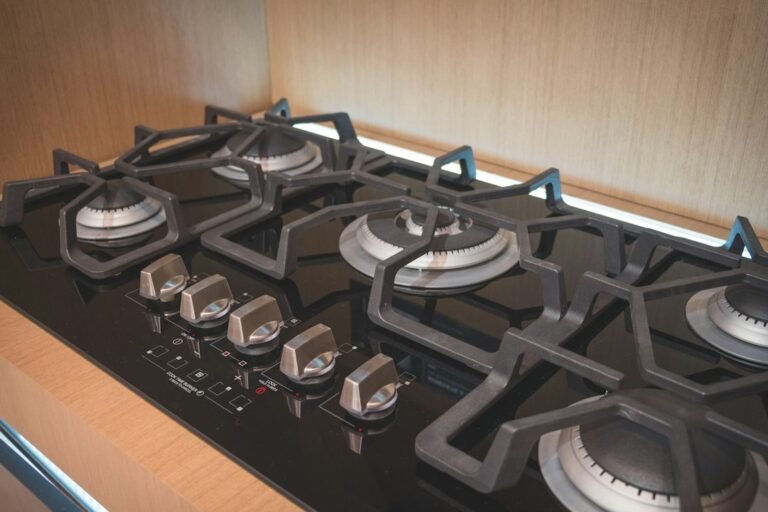
- During use: it provides the route through which LPG leaves the cylinder and travels to the regulator and cooker.
- When the cylinder is disconnected: the valve helps prevent uncontrolled gas release, depending on the valve design.
This is why the condition of the valve matters. LPG industry guidance treats it as a critical safety component. The valve and its connections should also be checked for leaks after filling.
Why the valve and regulator must match
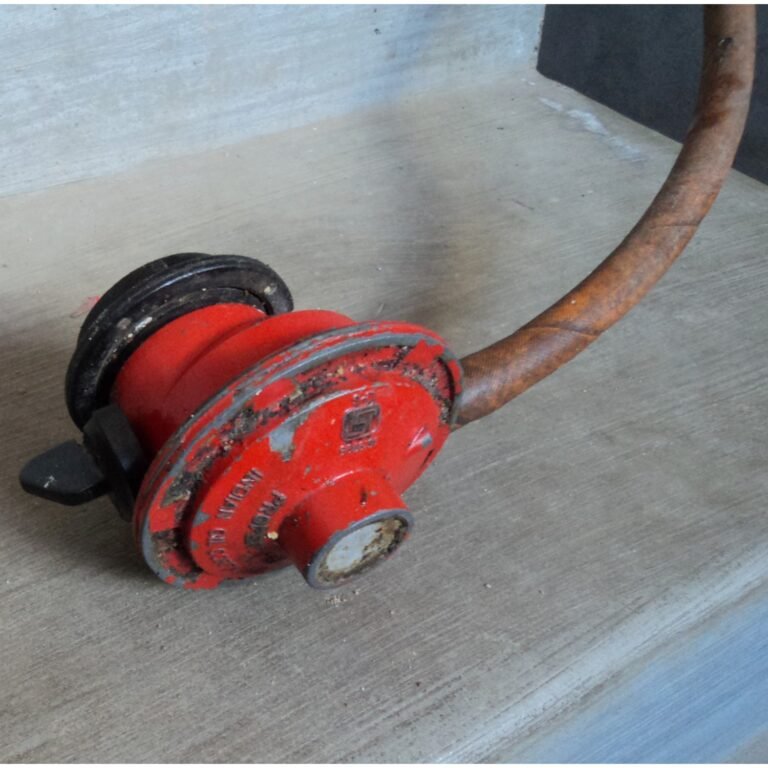
A common mistake is to assume that any regulator will fit any cylinder if it looks close enough. It is not a safe way to choose LPG equipment.
The regulator must connect correctly to the cylinder valve. It must also provide the pressure required by the appliance. Connection designs can differ. Never force a regulator onto a valve or use an improvised connection.
If you are replacing a regulator, take the cylinder or connection details to a reputable LPG equipment seller. Make sure the replacement is compatible. You can also read our guide on how to choose the right gas regulator for your cylinder.
What should you check around the cylinder valve?
You do not need to dismantle the valve to check it. Valve repairs and replacement should not be treated as a DIY job.
- Look for obvious physical damage around the valve and its protective area.
- Pay attention to a persistent gas smell around the cylinder connection.
- Check that the regulator connection is properly seated and compatible with the valve.
- After a refill or reconnection, be alert for signs of leakage rather than assuming everything is fine.
- Keep dirt and foreign material away from the valve and connection.
If you suspect a leak at the valve or cylinder connection, stop using the cylinder. Turn off the gas supply if it is safe to do so. Keep flames and ignition sources away. Ventilate the area and have the cylinder and connection checked by a qualified LPG professional.
What about the small cap or seal on the valve?
You may see a protective cap, dust cap or security seal around the valve. This depends on the cylinder and filling system. These parts are not just decoration.
A protective cap can keep dirt and foreign material away from the valve during storage or transport. A security seal fitted after filling can also show that the filling process was completed without the seal being disturbed.
Can you replace a damaged gas cylinder valve yourself?
This is one job I would not recommend turning into a home repair project.
The valve is fitted into the cylinder, and the connection must remain gas-tight. Proper valve work requires the right equipment and procedures. It also requires leak testing. If a valve is damaged, leaking or badly corroded, take the cylinder to an LPG professional or supplier.
What should you do when buying a new cylinder?
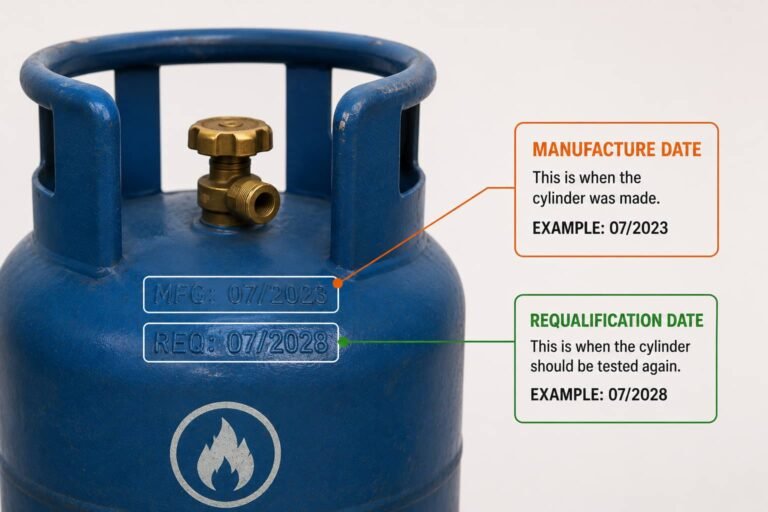
Do not look only at the paintwork and cylinder size. Check the cylinder’s overall condition and the valve area. Also check the date markings and equipment compatibility.
A cylinder can look fine from a distance while the valve area needs closer attention. If anything looks questionable, ask the seller or a qualified LPG professional to check it before use.
Frequently asked questions
Is the gas cylinder valve the same as the regulator?
No. The valve is fitted to the cylinder. The regulator is a separate component. It connects to the cylinder and controls gas pressure before the gas reaches the appliance.
Why does gas smell around the cylinder valve?
A gas smell around the valve or regulator connection can indicate a leak. Do not ignore it or tighten random parts. Stop using the setup and have the cylinder and connection checked safely.
Can I use a different regulator if the original one is unavailable?
Only if the replacement is designed for your cylinder valve and cooker system. Similar-looking fittings do not guarantee compatibility.
Why is the cylinder valve checked after refilling?
The valve and its connections need attention after filling. A leak at the valve area can release LPG. Proper filling operations include checks to make sure the cylinder is safe to return to the customer.
The small part that deserves serious attention
The cylinder valve may be easy to overlook, but it plays a central role in filling and using the cylinder. You do not need to become an LPG technician to understand it. Just know that it is a critical connection point. Never force, modify or casually repair it.
At JP GasPoint, we believe good cooking-gas use starts with the basics. Use the right equipment, the right connection and a proper refill. If you need help choosing a cylinder, regulator or LPG accessory, speak with a reputable gas supplier.