
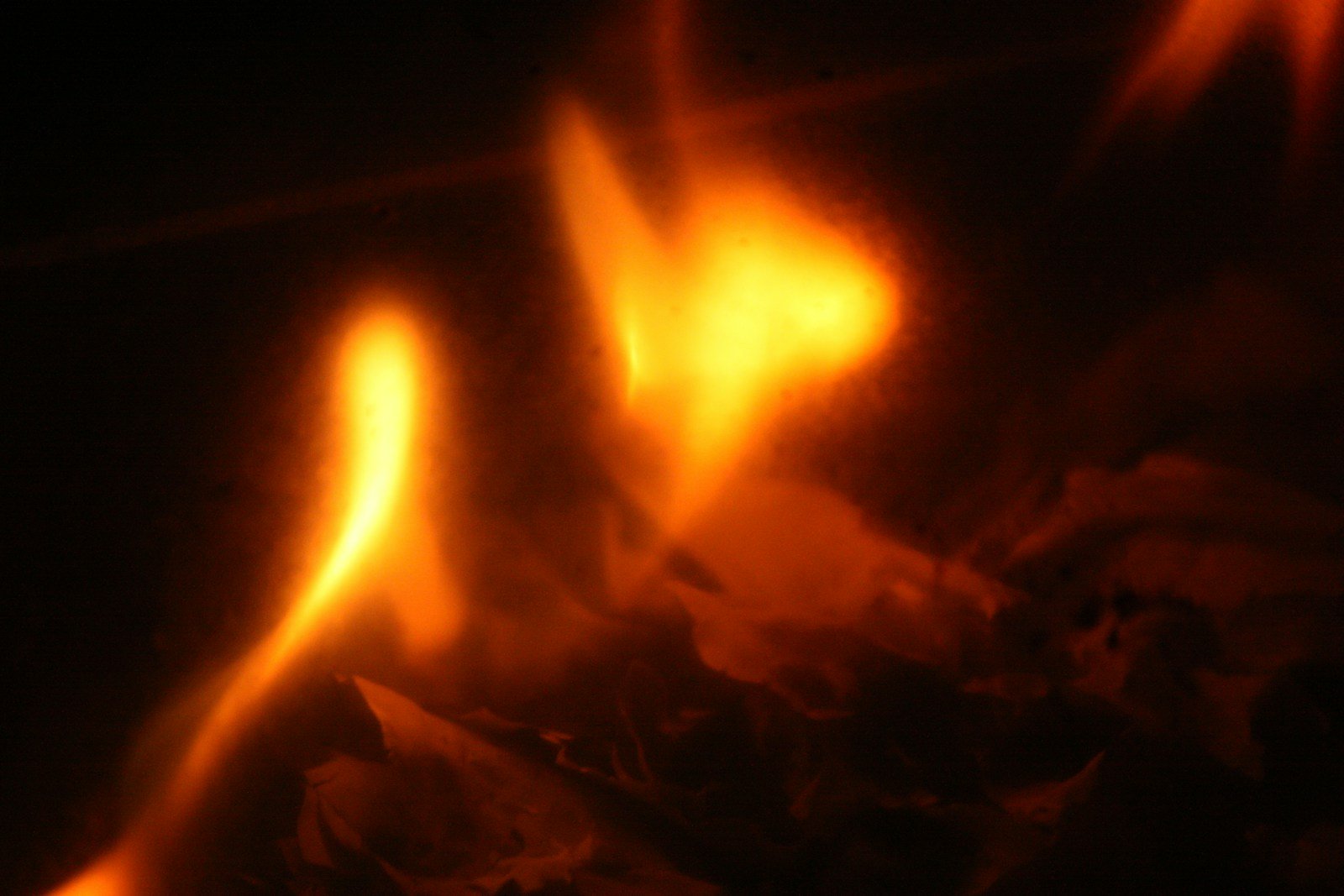
Why Is My Gas Flame Yellow Instead of Blue?
You turn on your cooker expecting a steady blue flame, but instead you see yellow or orange flames dancing around the burner. It is easy to wonder whether the gas itself is the problem or whether something is wrong with the cooker.
A yellow gas flame is worth paying attention to. On a normally operating LPG cooker, the flame should generally burn blue. A persistent yellow or orange flame can indicate that the gas is not burning properly, so it is better to investigate before continuing to cook.
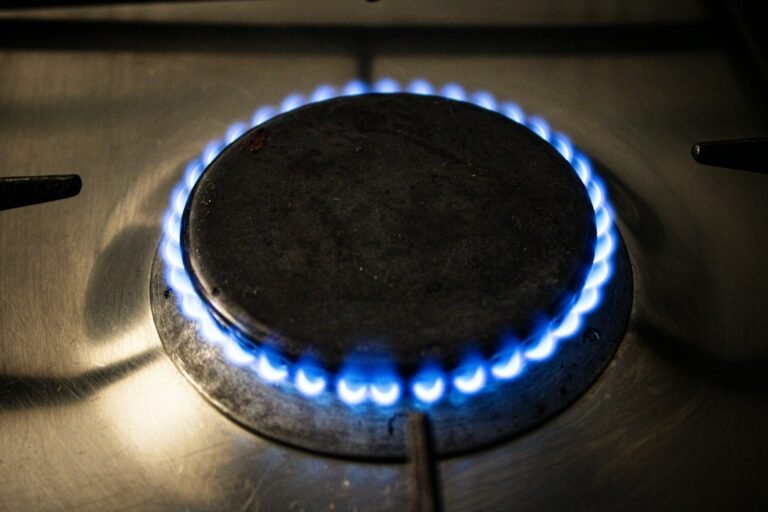
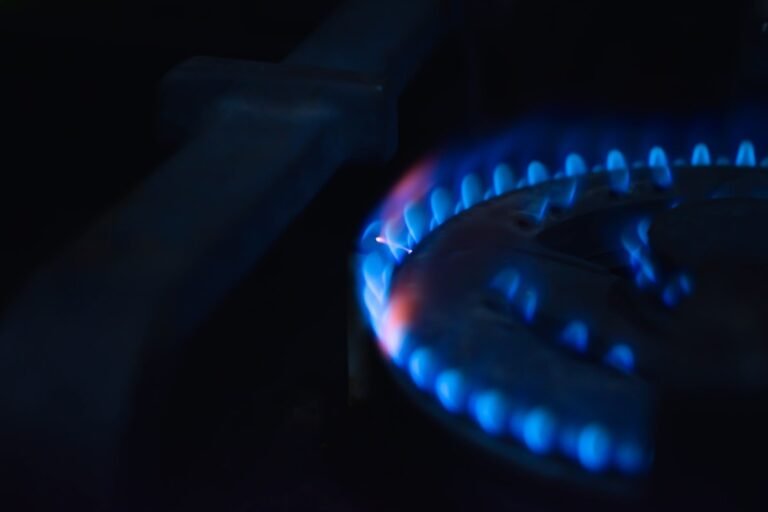
What does a blue gas flame mean?
A steady blue flame usually indicates that the burner is getting the right combination of LPG and air for combustion. The exact flame appearance can vary slightly between cooker designs, but a clean, stable blue flame is generally what you want to see on a properly operating LPG burner.
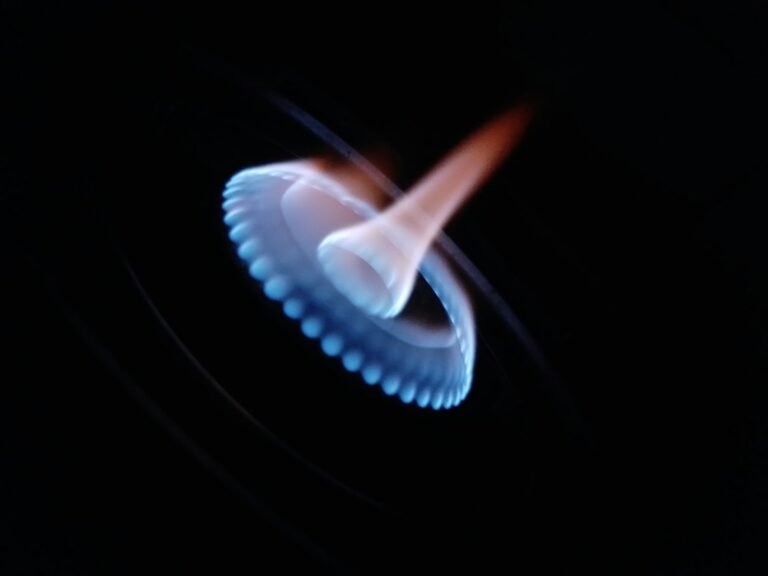
When the flame becomes noticeably yellow or orange and stays that way, the appliance may not be achieving complete combustion. That matters because poorly adjusted or poorly maintained gas appliances can produce unwanted combustion products, including carbon monoxide. Yellow or orange flames are a recognised warning sign that a gas appliance may not be working properly.
Why is my gas flame yellow?
1. The burner ports may be dirty or blocked
This is one of the first things to check. Food spills, grease, dust and other debris can interfere with the small openings around the burner. If the gas and air are not mixing properly, the flame can become uneven, lazy or yellow.
Turn the cooker off and allow the burner to cool completely. Then clean the removable burner parts according to the cooker manufacturer’s instructions. Do not enlarge the burner holes or use a sharp object in a way that could damage them.
2. The burner may not be getting the right amount of air
Gas needs the right amount of air to burn properly. If the air supply or burner adjustment is not correct, combustion can become less efficient and the flame may turn yellow.
This is not a good area for guesswork. If cleaning the burner does not solve the problem, have the cooker checked by someone competent to work on gas appliances rather than trying to adjust internal components yourself.
3. The regulator or gas supply may need attention
The regulator controls the pressure of LPG supplied to the cooker. If the regulator is unsuitable, damaged or not operating correctly, the burner may not receive gas at the conditions it was designed for.
If you have recently changed the regulator and the flame changed afterwards, stop and check that the regulator is compatible with your cylinder and cooker. You can also read our guide on how to choose the right gas regulator for your cylinder.
4. The burner cap may not be seated correctly
On cookers with removable burner caps, a cap that is wet, dirty or sitting out of position can disturb the flame pattern. Make sure the burner parts are clean, dry and correctly positioned according to the manufacturer’s instructions before trying the cooker again.
Is a yellow gas flame dangerous?
A brief change in flame colour can happen for different reasons, but a yellow or orange flame that persists should not simply be ignored. It can be a sign of incomplete combustion, and gas appliances that are not operating correctly can produce carbon monoxide and other harmful combustion products.
If your cooker normally burns blue and suddenly develops a persistent yellow flame, turn it off and let it cool. Do not keep cooking just to see whether the flame eventually returns to normal.
What should you do when your gas flame turns yellow?
- Turn off the burner and allow it to cool.
- Check that the burner cap and removable burner parts are clean, dry and correctly positioned.
- Look for obvious dirt or blocked burner openings without damaging them.
- Check the hose, regulator and connections for visible damage or signs of a problem.
- If the flame remains yellow after basic cleaning and positioning checks, stop using the appliance and arrange for it to be inspected.
- If you smell gas, hear hissing, or suspect a leak, treat that as a separate gas-safety issue and do not use the cooker until the problem has been addressed.
For more on gas leaks, see our guide on what to do if your gas regulator is leaking.
When should you call a professional?
If cleaning and correctly reseating the burner parts does not restore a normal flame, it is time to stop troubleshooting and get qualified help. This is especially important if the flame is yellow across multiple burners, the cooker produces soot, the flame keeps going out, there is an unusual smell, or the appliance behaves differently from normal.
Do not dismantle gas controls or alter internal gas or air settings simply by following a random online adjustment. Proper installation, servicing and maintenance are important for safe combustion and to reduce the risk of carbon monoxide production.
Yellow flame vs blue flame: the simple takeaway
Think of the flame as one of the easiest visual checks you have on your cooker. A steady blue flame is generally what you want. A persistent yellow or orange flame is a reason to stop, check the simple things safely, and get the appliance inspected if the problem continues.
FAQs about yellow gas flames
Can a dirty burner cause a yellow flame?
Yes. Dirt or blocked burner openings can interfere with the gas-and-air mixture. Cleaning the removable burner parts according to the manufacturer’s instructions is a sensible first check.
Does a yellow flame always mean carbon monoxide?
Not necessarily. Flame colour alone cannot tell you the carbon monoxide level, but a persistent yellow or orange flame can indicate that an appliance is not operating correctly and may be associated with incomplete combustion. Treat it as a warning sign rather than something to ignore.
Why is my gas flame yellow after changing the regulator?
If the flame changed immediately after a regulator change, check that the new regulator is the correct type and compatible with the cylinder and appliance. If you are unsure, stop using the cooker and have the setup checked.
Can I keep cooking if the flame is slightly yellow?
If the yellow colour is persistent rather than a brief change, it is better not to keep using the appliance until the cause has been identified. A gas appliance that is not burning correctly should be checked rather than ignored.
At JP GasPoint, we believe good gas safety starts with noticing small changes before they become bigger problems. If your cooker flame has changed colour, take it seriously, check the simple things safely, and get help when the problem does not clear.


5 Comments