Why Is My Gas Cooker Leaving Black Soot on My Pots?
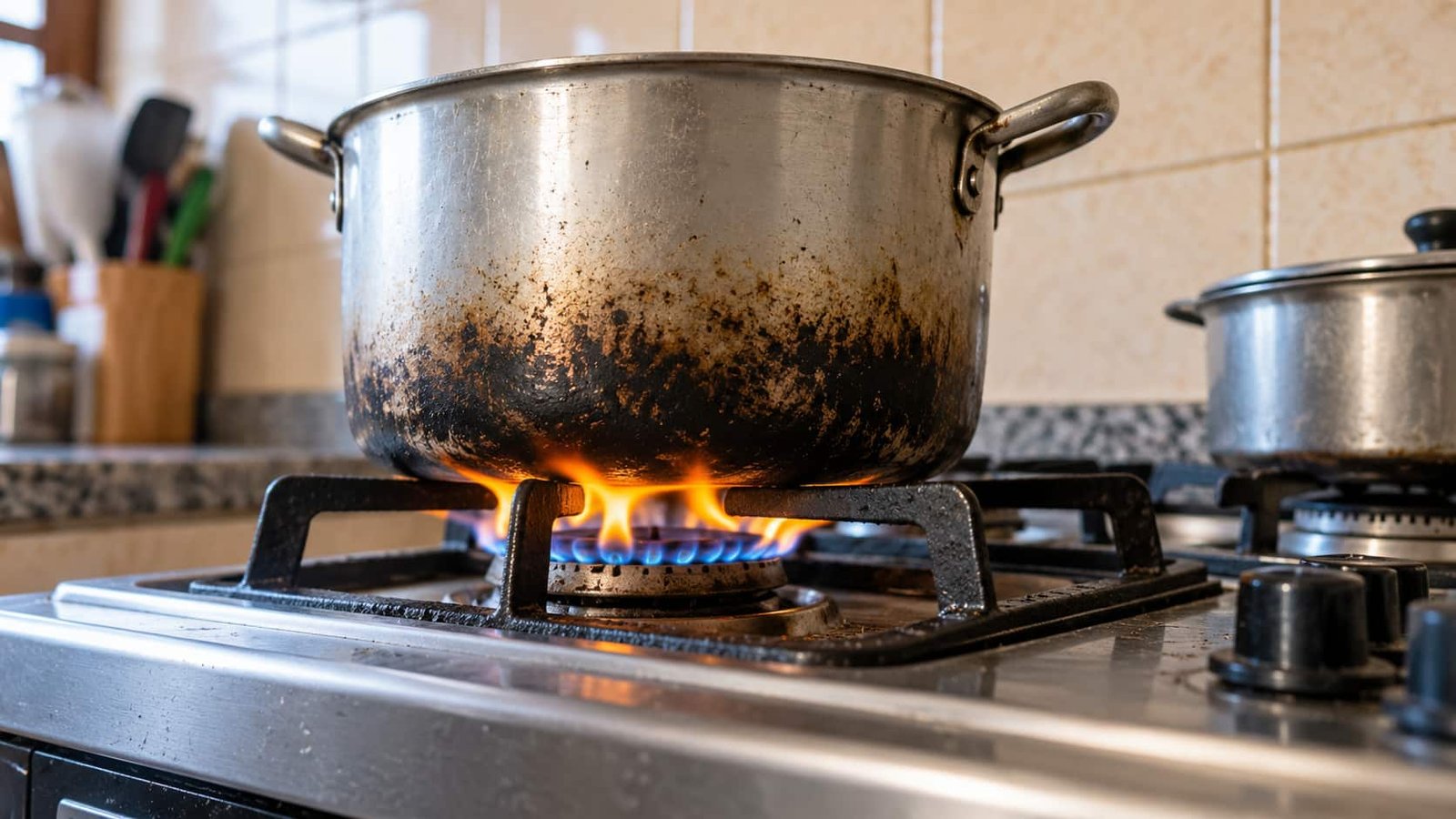
You finish cooking, lift the pot off the burner and notice something you did not expect: the bottom is covered in black soot.
It is easy to blame the gas itself. In many cases, though, the problem is with the way the gas is burning.
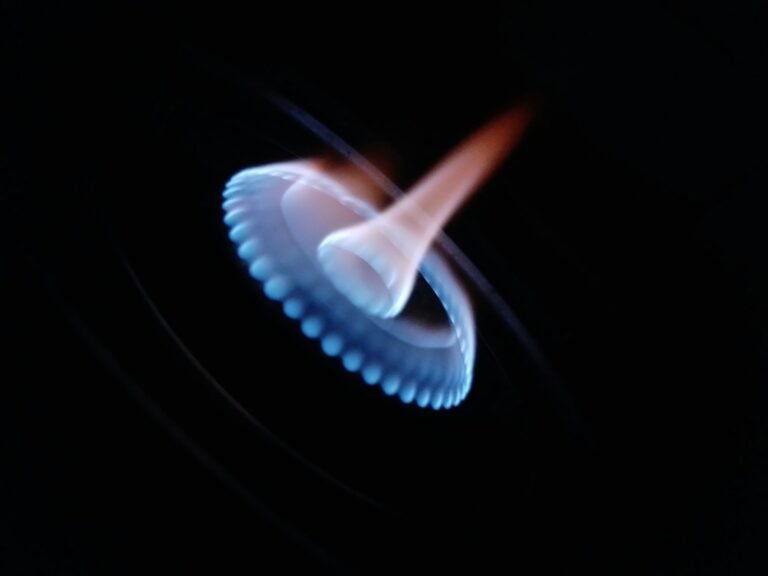
A healthy LPG flame should burn steadily with a mostly blue appearance. When the flame produces heavy black marks on your pots, it is worth checking the cooker instead of simply wiping the soot away.
Why does a gas cooker leave black soot on pots?
Black soot usually means the LPG is not burning as cleanly as it should.
For LPG to burn properly, the burner needs the right balance of gas and air. If that balance is disturbed, combustion can become incomplete. One visible result can be a yellow or lazy flame and black deposits on cookware.
There are several possible causes. A dirty burner is common, but it is not the only one.
1. The burner may be dirty
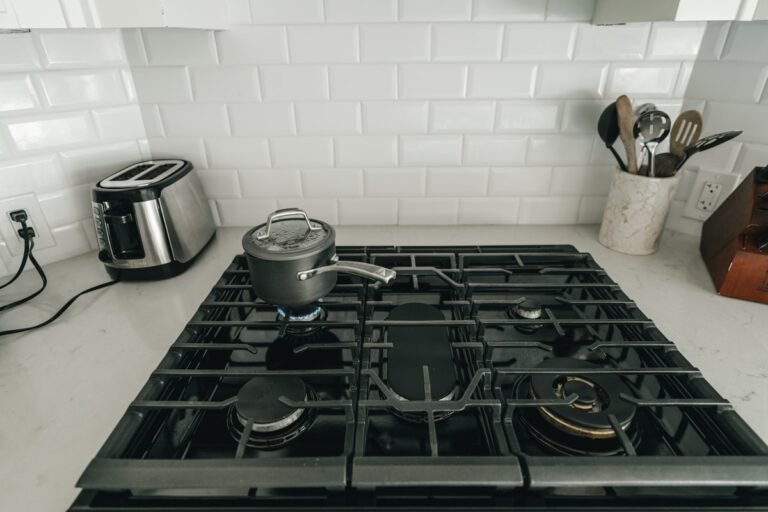
Food spills, grease and cooking residue can collect around the burner ports.
When those small openings become blocked, the gas and air mixture can be affected. The flame may then burn unevenly or develop yellow tips.
This is one reason regular cleaning matters. Do not allow food and grease to build up around the burner after repeated cooking.
Turn off the cooker and allow the burner to cool before cleaning it. Follow the appliance manufacturer’s cleaning instructions and make sure the burner parts are correctly positioned before using the cooker again.
2. The burner cap may not be sitting correctly
A burner cap can be removed during cleaning and then placed back slightly out of position.
If the cap is not seated properly, the flame pattern can change. You may see uneven flames, yellow areas or soot on the bottom of your pot.
When the cooker is completely cool, check that the burner cap is sitting flat and in its intended position. Do not force it into place.
We explain the role of this small part in What Does a Gas Cooker Burner Cap Do?.
3. The air supply may be restricted
An LPG burner needs enough air to burn the gas properly.
If the air openings around the burner are blocked by dirt, grease or another obstruction, the gas may not get the air it needs.
The result can include a yellow flame, soot and poor cooking performance.
Keep the burner area clean and unobstructed. If the flame remains abnormal after normal cleaning, do not start adjusting the gas system yourself.
4. The regulator or gas pressure may be part of the problem
Sometimes the burner is clean, but the flame is still not behaving normally.
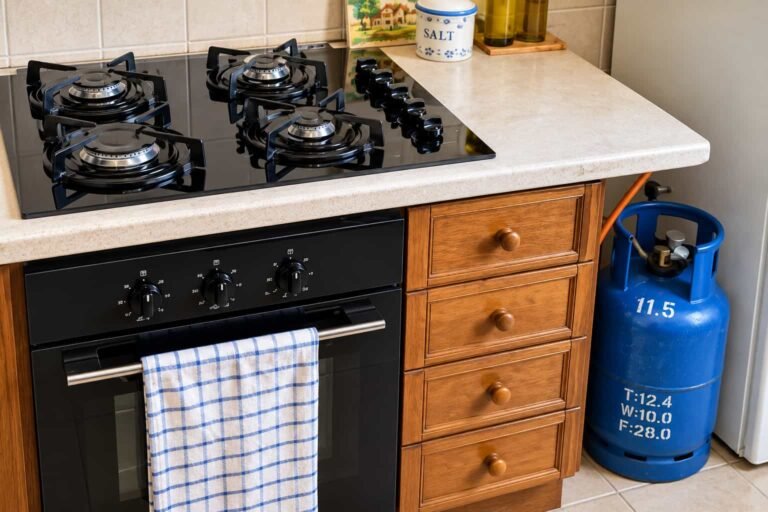
The regulator controls the gas pressure supplied to the cooker. If the pressure is not suitable, the burner may not produce the flame pattern you normally see.
This becomes more important when several burners are affected at the same time.
Do not try to modify the regulator or increase the gas pressure yourself. If the cooker continues to produce soot after the burner has been cleaned and correctly assembled, have the system checked by a qualified gas technician.
If your flame is weak rather than sooty, our guide on why a gas cooker flame can become weak may help you narrow down the problem.
5. The wrong burner or gas setting may be involved
A cooker needs to be set up for the type of gas it is designed to use.
If an appliance has been converted, installed or adjusted incorrectly, the gas and air mixture may be wrong. That can lead to yellow flames and soot.
This is not something to correct by guesswork. The correct jet, burner setup and gas pressure depend on the appliance.
If the problem started after a new cooker was installed or an appliance was modified, ask a qualified technician to check the installation.
Is black soot a sign that the gas is bad?
Not necessarily.
It is tempting to blame the LPG when a pot turns black. But soot can come from the burner, air supply, gas pressure or appliance setup.
Start by checking the simple things around the cooker. If cleaning and correct burner placement do not solve the problem, have the appliance and gas supply checked rather than assuming the refill is the cause.
What should you do when your pots turn black?
First, stop and look at the flame instead of continuing to cook as if nothing has changed.
If the flame is mostly blue and the soot appeared after a spill or dirty burner, allow the cooker to cool and clean the affected burner properly.
And if the flame is yellow, unusually large, unstable or producing heavy soot, stop using the affected burner until the cause has been checked.
If you smell gas, hear an unusual leak sound or suspect a damaged hose, regulator or connection, treat it as a gas-safety issue instead. Turn off the gas supply if it is safe to do so, avoid flames and sparks, ventilate the area and seek appropriate professional help.
Can soot damage your cooker or cookware?
Repeated soot is more than a cleaning nuisance.
It can make cookware dirty, affect cooking performance and indicate that the burner is not operating as it should.
If the problem continues, simply washing the bottom of the pot after every meal is not a real solution. The cause needs attention.
Frequently asked questions
Why is my gas flame yellow and leaving soot?
A yellow flame can indicate incomplete combustion. A dirty burner, restricted air supply, incorrect burner setup or unsuitable gas pressure can contribute to the problem.
Will cleaning the burner stop the soot?
It may, especially if dirt or food residue was blocking the burner. If soot continues after proper cleaning, the appliance should be checked.
Should I adjust the regulator if my pots are turning black?
No. Do not adjust gas pressure by guesswork. Have the regulator and appliance checked by a qualified gas professional.
Is a little black soot on a pot normal?
Persistent black soot is not something to ignore. It can indicate that the burner is not getting the correct gas-and-air mixture.
Can low gas cause black soot?
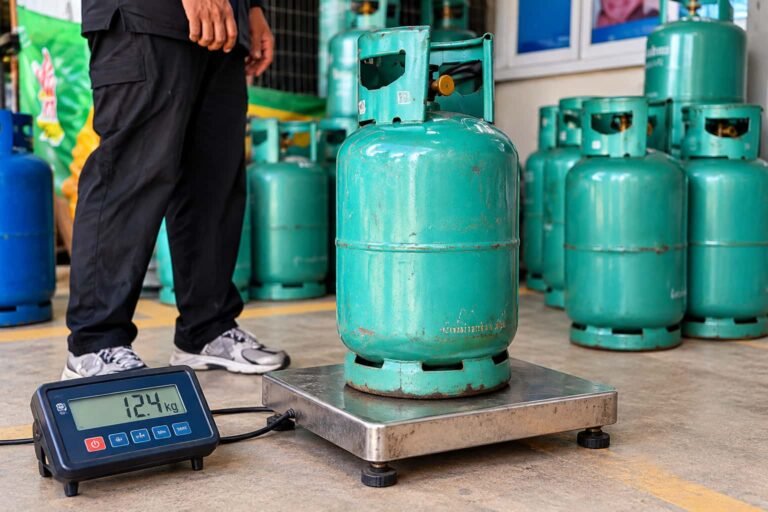
Low gas is not the only possible explanation. Check the burner, air supply, regulator and appliance setup before assuming the cylinder is the cause.
Black pots are a signal, not just a cleaning problem
If your gas cooker suddenly starts leaving black soot on your pots, pay attention to the flame.
Start with the simple checks. Make sure the burner is clean and correctly positioned. If the problem remains, look beyond the burner and have the appliance checked.
A clean blue flame is what you want to see. When that changes, finding the cause is better than repeatedly cleaning the bottom of your pots.