
Common Cooking Gas Problems and How to Fix Them
Cooking gas is reliable, until the day it is not. The burner will not light. The flame turns yellow. Or the gas seems to finish too fast. The good news is that most cooking gas problems are common, and most have a simple fix you can do at home.
This guide walks through the problems we get asked about most. For each one, you get the likely cause and a safe fix. We run a gas business in Lagos and sort these out every day. We will also be clear about the few times you should stop and call a professional.
First, a quick safety note
One rule comes before any troubleshooting. If you smell gas, do not test or fix anything with a flame. Turn off the cylinder, open windows, and let the area clear. Our cooking gas safety guide covers exactly what to do in a suspected leak. Only troubleshoot when there is no gas smell.
Your gas will not flow at all
You turn on the burner, and nothing comes. Check these four things in order. First, is the cylinder empty? Lift it, since a light cylinder is an empty one. Next, is the regulator seated firmly and switched on? Reseat it. Then check that the cylinder valve is open. Finally, look for a kinked or crushed hose. One of these four is almost always the cause.
The burner will not light
Gas flows, but it will not catch. If you use a lighter, strike it first, then turn on the gas. On an auto-ignition cooker, the igniter may be wet or dirty, so dry and clean it. A blocked burner port can also stop it lighting, so clean the burner head. With a brand-new cylinder, a little air in the line can delay the first light, so give it a moment.
The flame is yellow or orange, not blue
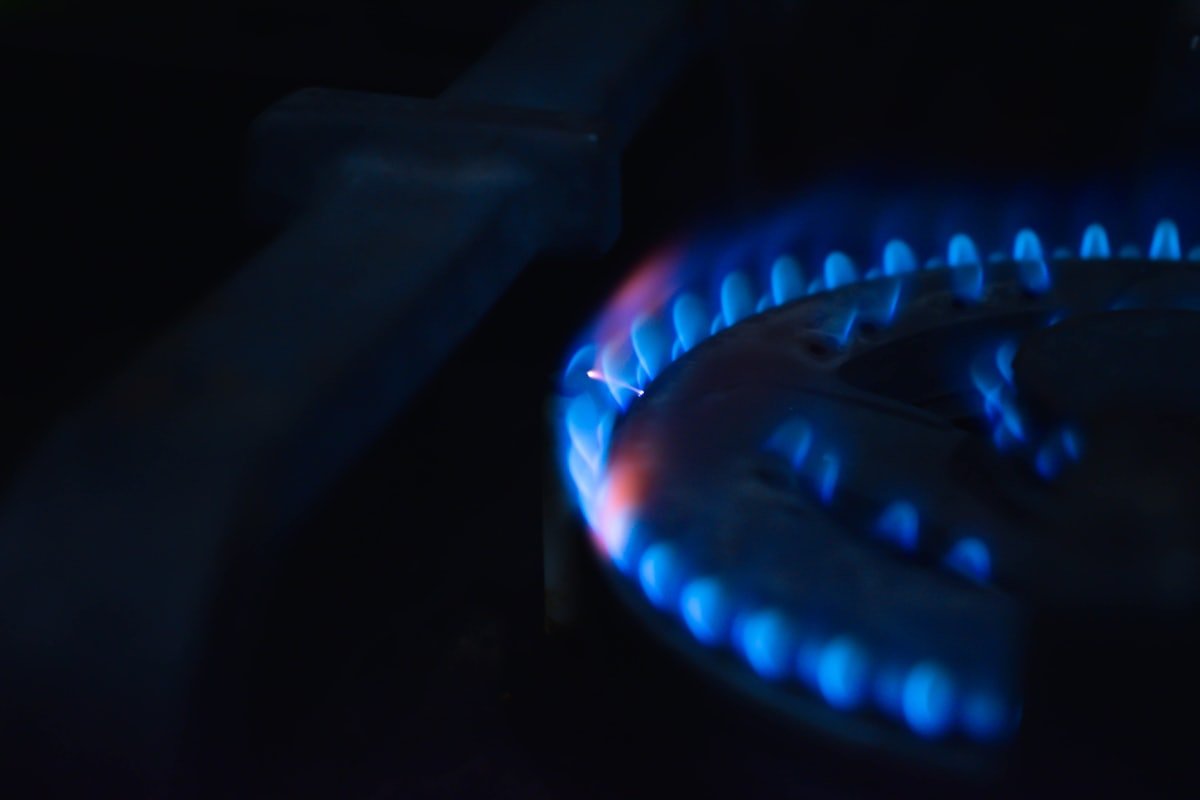
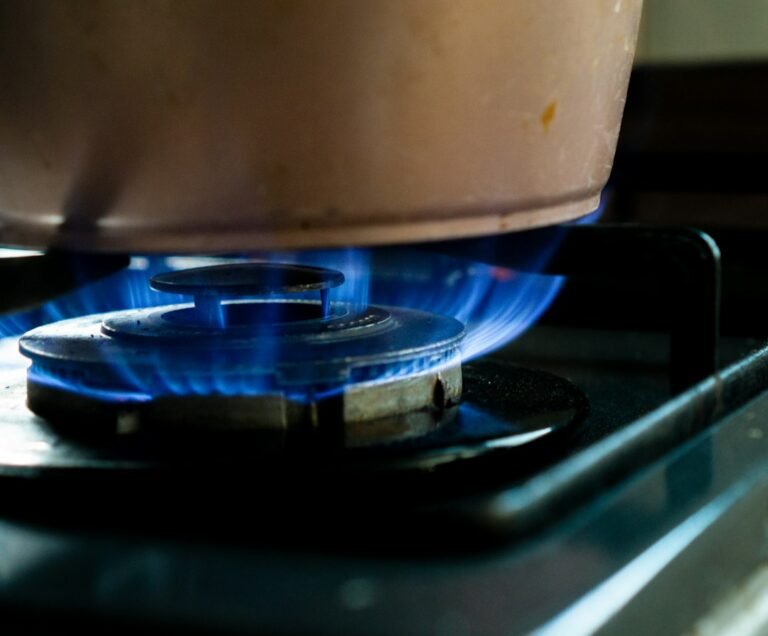
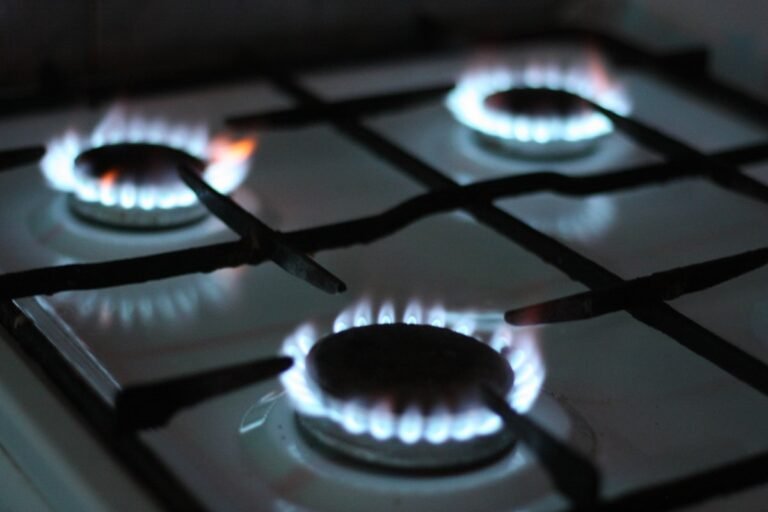
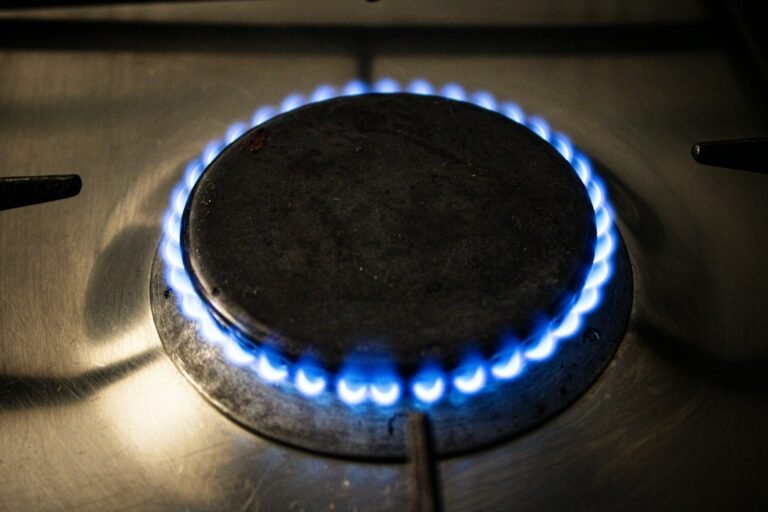
A healthy flame burns blue. A yellow, sooty, or lazy flame is a warning sign. It usually means the burner ports are dirty or partly blocked. Turn off the gas and let the burner cool. Then clean the holes with a brush or a pin, and check the burner cap sits correctly. A blue flame should return. This matters for safety, and it keeps your pots clean too.
The flame is weak or too low
The flame stays small, even on high. First, check the cylinder is not nearly empty. Make sure the valve and regulator are both fully open. A dirty jet or a kinked hose can also choke the flame. In cold or wet weather, a regulator may briefly underperform, but it usually settles on its own.
You can smell gas
Treat any gas smell seriously. Do not light anything. Turn off the cylinder and ventilate the room. When the smell clears, find the source with the soapy water test. Brush soapy water over the joints, and watch for bubbles. A leaking hose or regulator should be replaced, not patched. If the smell continues, call a professional. Our safety guide explains this step by step.
Your gas finishes too quickly
A refill that should last weeks is gone in days. First, rule out a leak with the soapy water test. If there is no leak, the cause is usually habit. A high flame that licks up the sides of the pot wastes gas. Use the right burner for the pot, keep a lid on, and turn down to a simmer once it boils. Our buying guide has more on getting value from every kilogram.
The regulator hisses or will not fit
A hiss at the regulator means gas is escaping. Turn off the cylinder and reseat the regulator. If it still hisses, the regulator or its seal is worn, so replace it. If it will not fit at all, you probably have the wrong type for your valve. Our equipment guide explains clip-on versus screw-on regulators.
When to call a professional
Some jobs are not for guesswork. Call a qualified technician for a new installation. Call one for a leak that continues after you have checked the joints. And call one for any valve or regulator fault you cannot fix simply. A professional visit is cheap next to the risk of getting gas wrong.
Quick cooking gas problem checklist
- No gas at all: check the cylinder weight, regulator, valve, and hose.
- Will not light: strike the flame first, then clean and dry the igniter.
- Yellow flame: clean the burner ports.
- Weak flame: check the gas level, valve, jet, and hose.
- Gas smell: turn off, ventilate, soapy water test, replace the leaking part.
- Hissing regulator: reseat it, then replace it if it continues.
Frequently asked questions
Why is my gas finishing so fast?
Usually a leak or a high flame. Run the soapy water test first. If there is no leak, lower your flame and use a lid.
Why is my gas flame yellow?
The burner ports are most likely dirty. Turn off the gas, let it cool, and clean the holes. A blue flame should return.
Is a hissing regulator dangerous?
Yes. A hiss means gas is escaping. Turn off the cylinder, reseat the regulator, and replace it if the hiss continues.
Most cooking gas problems trace back to three things: the hose, the regulator, or a dirty burner. Keep those in good shape, and the issues mostly disappear. When in doubt, turn off the gas first, then check calmly.
If you are in Lagos and want a hand, we are one message away. See our services, read our safety, equipment, and buying guides, or message us on WhatsApp.


One Comment