
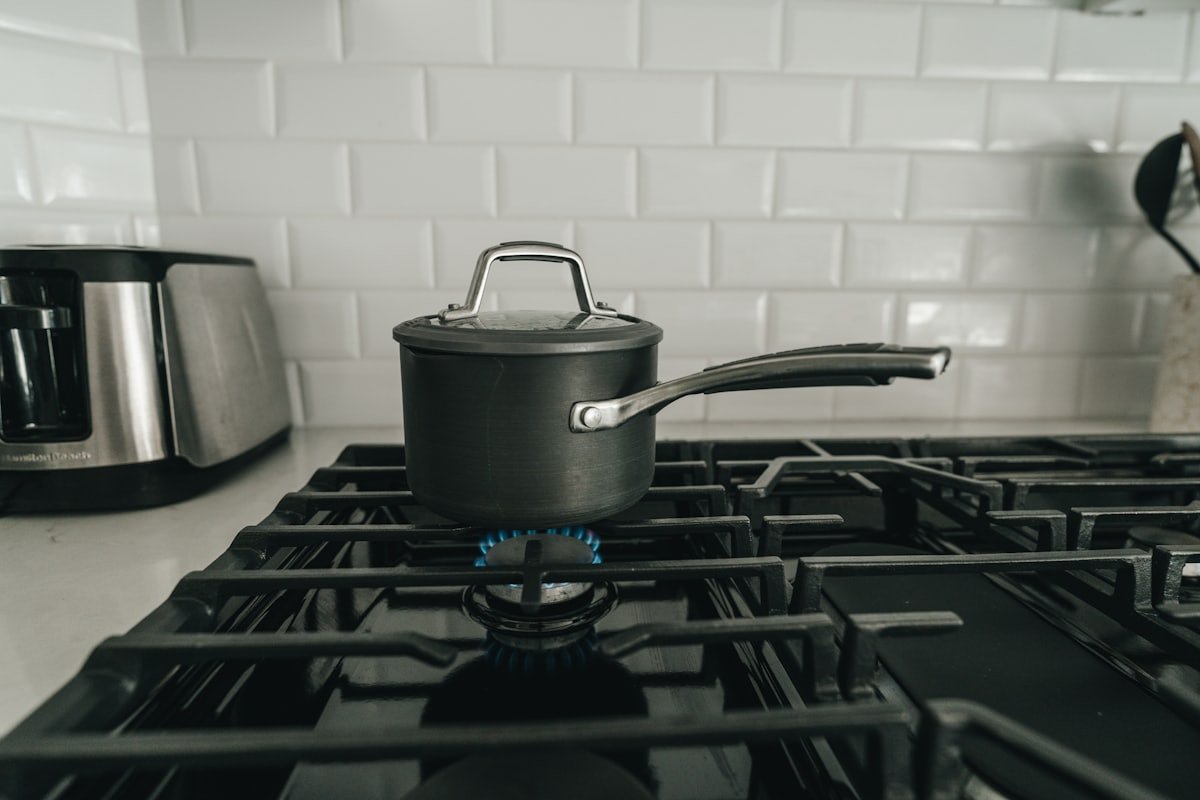
Switching to Cooking Gas: A Beginner’s Guide for Your Home
Switching to cooking gas is one of the best upgrades you can make in your kitchen. It is cleaner than kerosene, faster than charcoal, and cheaper to run over time. If you have never used it before, it can feel a little intimidating. It should not be.
This guide makes the switch simple and safe. It covers everything from setting up your first cylinder to building good habits on day one. We help new gas users get started in Lagos all the time. There is nothing here you cannot do yourself.
Why switch to cooking gas?
Gas gives you instant, controllable heat. You turn it up or down at once, unlike charcoal or firewood. It also burns clean, so your pots and kitchen stay tidier. And per meal, it usually works out cheaper than kerosene or small charcoal buys. For most homes, the switch pays for itself quickly.
What you need to get started
Your starter kit is short. You need a gas cylinder, a regulator, a hose with two clips, and a burner or cooker. A gas detector is optional, but a smart extra. That is the whole setup. Our equipment guide explains how to choose each part well.
Choosing your first cylinder size
If you are testing the waters, a 6kg cylinder is a comfortable start. For a family that cooks daily, 12.5kg is the standard, and it costs less per kilogram. A 3kg is fine for very light cooking or one person. Our buying guide helps you match the size to your kitchen.
What it costs to get started
Getting started has two kinds of cost. There is the one-time setup, and the ongoing gas. The setup is your cylinder, regulator, hose, and cooker. You buy these once, and good ones last for years. After that, you only pay to refill the gas itself. Spread over time, gas is gentle on the pocket. Our buying guide breaks down the running cost in full.
Setting up your gas for the first time
Setting up is quick once you have the parts. Stand the cylinder upright on a firm, level surface. Fit the regulator onto the valve, firmly. Connect the hose to the regulator and the cooker, and clip both ends. Before you light anything, brush soapy water over the joints and check for bubbles. No bubbles means no leak, and you are ready. Our safety guide walks through this leak test in detail.
Lighting your gas for the first time
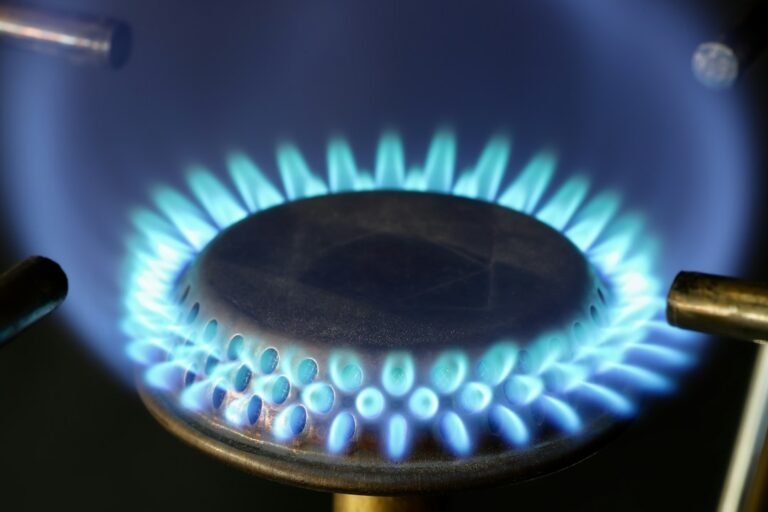
Lighting is simple, with one habit to learn. Strike your lighter or match first, then turn on the gas. That way gas does not gather before it catches. On a brand-new cylinder, the first light may sputter as a little air clears, which is normal. Adjust the flame until it burns steady and blue.
Safe habits from day one
A few habits keep gas safe and easy. Turn the gas off at the cylinder when you finish for the day, not just at the knob. Keep the cylinder upright and well ventilated, away from heat and switches. Never leave cooking unattended for long. And after every refill, do the quick soapy water test. These become second nature fast.
When your gas runs out
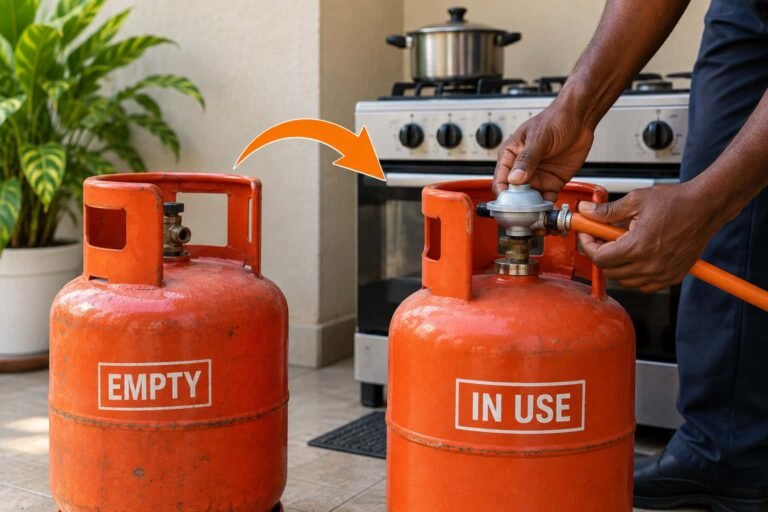
One day the flame will die mid-cooking. That just means the cylinder is empty. You have two options. A refill puts gas back into your own cylinder, by weight. An exchange swaps your empty for a filled one. For most people, refilling your own cylinder and watching the scale gives the best value. Our buying guide explains both.
Common first-timer worries
A few worries are very common, and easily settled. Is gas safe? Yes, when handled properly, which is mostly good equipment and simple habits. Is a brief gas smell when changing a cylinder normal? A quick whiff as you disconnect is normal, but a smell that lingers is not. Where should the cylinder go? Somewhere upright, ventilated, and away from heat. If something does not work right, our troubleshooting guide has the fixes.
Mistakes first-timers make
A few early mistakes are easy to avoid. The most common is skipping the soapy water leak test, so never skip it. Another is buying the cheapest regulator or hose, which often fails fast. Some people store the cylinder in a sealed cupboard, but it needs air. And many wait until the cylinder is bone dry before refilling, which leaves them stranded mid-meal. Avoid these four, and your start will be smooth.
Your first-time gas checklist
- Get a cylinder, regulator, hose with clips, and a burner.
- Start with a cylinder size that matches your cooking.
- Set up on a firm, level, ventilated spot.
- Do the soapy water leak test before first lighting.
- Strike the flame first, then turn on the gas.
- Turn off at the cylinder when you finish for the day.
Frequently asked questions
Is cooking gas safe for home use?
Yes. Handled with good equipment and simple habits, gas is very safe. Most accidents trace to worn parts or carelessness, and both are avoidable.
What size cylinder should a beginner buy?
A 6kg is an easy start. Families who cook daily are usually better with a 12.5kg, which costs less per kilogram.
How do I know if my gas is leaking?
Use the soapy water test on the joints. Bubbles mean a leak. A lingering gas smell is another clear sign.
Switching to cooking gas is simpler than it looks. With the right starter kit, a careful setup, and a few daily habits, gas quickly becomes the easiest part of your kitchen.
If you are in Lagos and want help getting started, we will set you up properly. See our services, or read our safety, equipment, buying, and troubleshooting guides. You can also message us on WhatsApp.

One Comment