
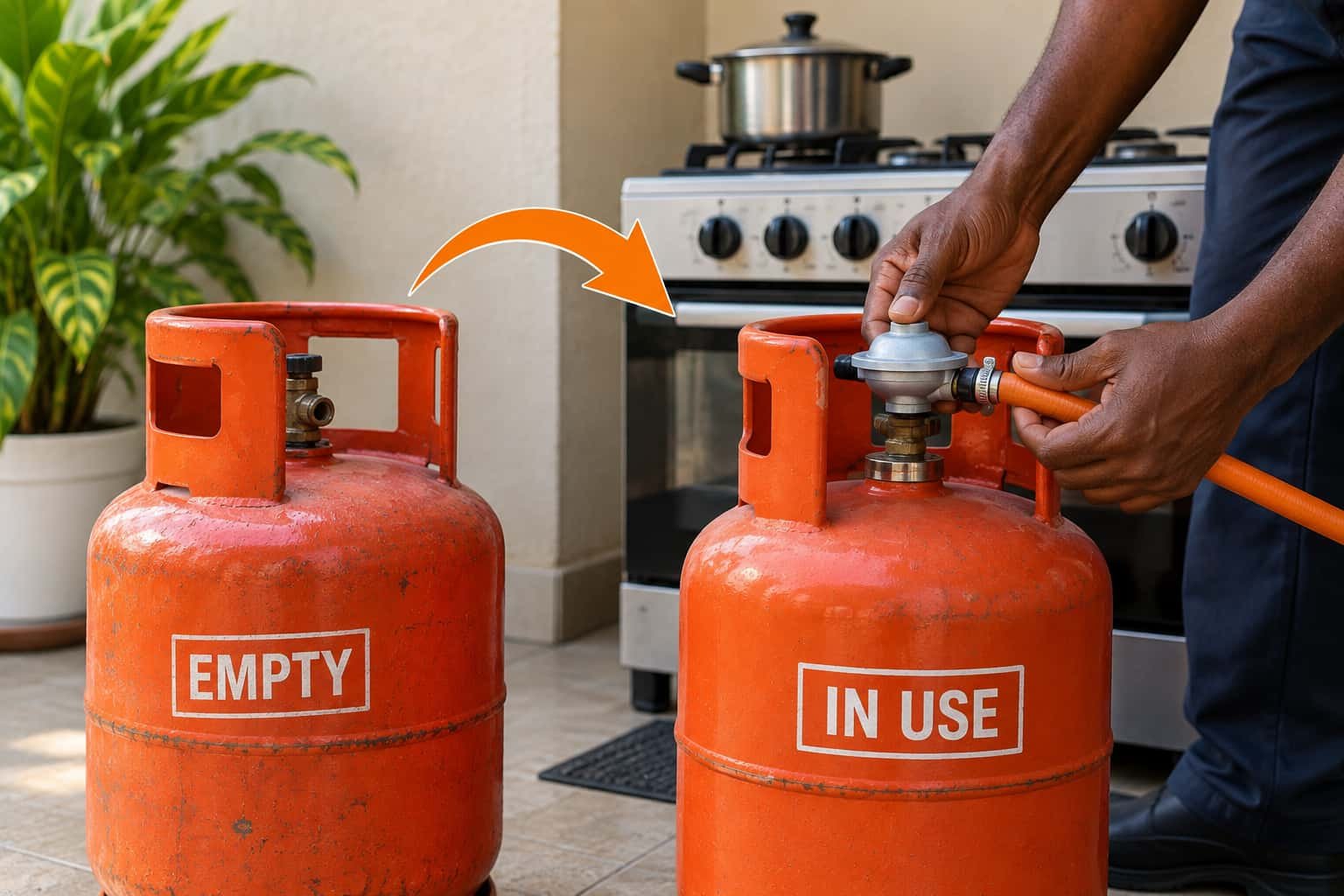
How to Safely Switch Your Gas Cooker From One Cylinder to Another
There are times when you need to move your gas cooker from one cylinder to another. You may have finished the gas in the current cylinder, changed cylinders after a refill, or replaced an old cylinder with another one.
The important thing is not to rush the change. A safe switch means shutting off the gas properly, checking the equipment and making sure the new connection is secure before you light the cooker.
Turn Everything Off First
Before touching the cylinder connection, turn off every burner on the cooker. Make sure there are no flames or other ignition sources nearby.
If your cylinder has a valve that can be safely reached, close it before disconnecting the regulator. Do not force a valve that is stuck or unusually difficult to operate.
Let the Existing Connection Settle
Once the cylinder valve is closed, leave the cooker switched off. Do not immediately start disconnecting and reconnecting equipment while a burner is lit or while you are unsure whether gas is still being supplied.
The goal is simple: make sure the gas supply is shut off before you work on the connection.
Check the New Cylinder Before Connecting It
Look over the new cylinder before connecting it. Check that it is in suitable condition, is standing securely and has no obvious damage around the valve or connection area.
If the cylinder has just been refilled, you can also follow the checks in our guide on what to do after refilling your gas cylinder before cooking.
Inspect the Regulator and Hose
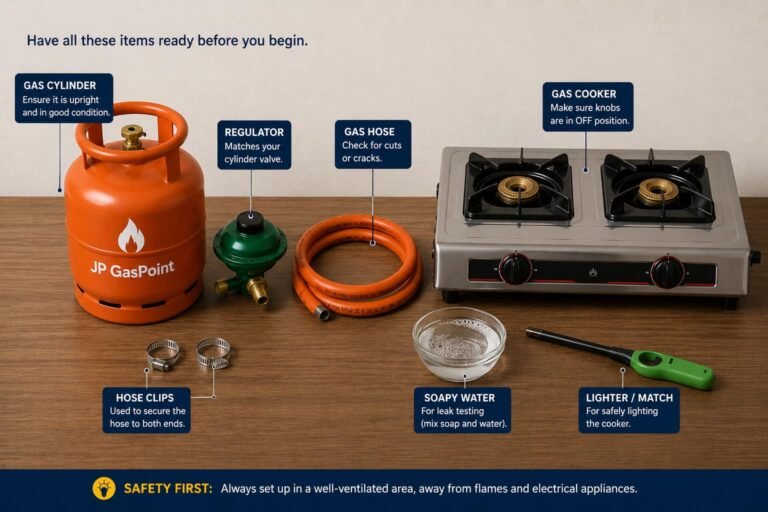
Do not assume that the regulator and hose are fine simply because the cooker worked with the previous cylinder. Look for visible damage, cracking, deterioration or loose connections.
The regulator must also be suitable for the cylinder and installation. If you need to replace it, our guide on how to choose the right gas regulator explains what to consider.
If the hose has become hard, cracked, damaged or otherwise unsuitable, replace it rather than trying to make it last through another cylinder.
Connect the Regulator Correctly
Connect the regulator to the new cylinder according to the regulator and cylinder manufacturer’s instructions. Make sure the connection is properly seated and secure.
Do not improvise with adapters, makeshift seals or tools that could damage the connection. If the connection does not fit correctly, stop and get the correct equipment or professional help.
If you want a full walkthrough, read our guide on how to safely connect a gas cylinder to your cooker.
Check for Gas Leaks Before Cooking
Once the new cylinder is connected, check the connection for signs of a leak before you start cooking. Never use a flame to test for escaping gas.
If you smell gas, hear an unusual hissing sound or suspect a leak, do not light the cooker. Turn off the gas if it is safe to do so, keep away from ignition sources and follow appropriate LPG leak-safety guidance.
Our guide on what to do if your gas smells explains the immediate steps to take.
Light the Cooker Carefully
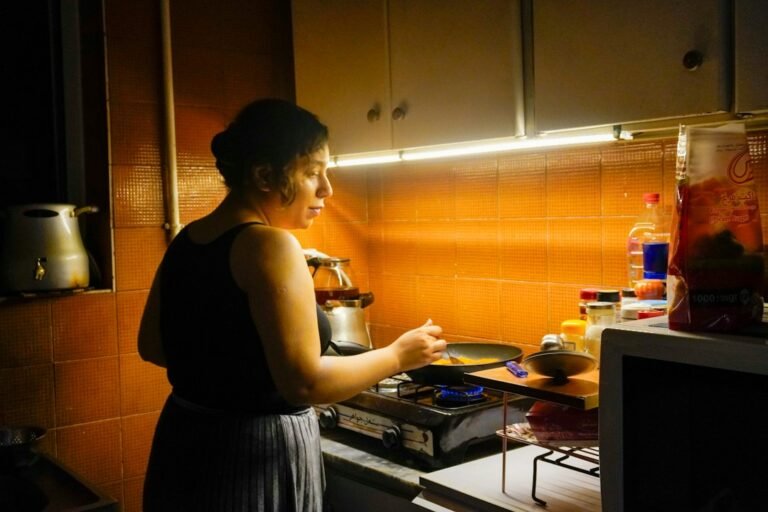
After the connection has been checked and you are satisfied that the setup is safe, use the cooker’s normal ignition procedure. Keep your face, hands and clothing away from the burner while lighting it.
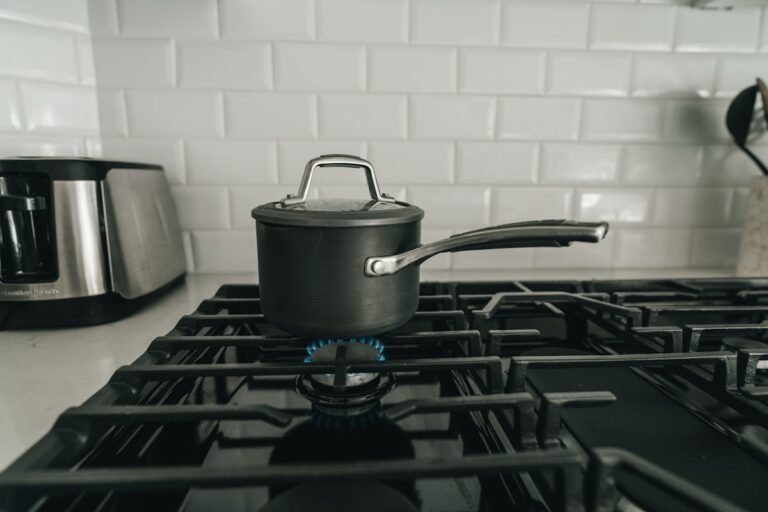
Watch the flame after ignition. It should behave normally for that cooker. If the burner repeatedly goes out, produces an unusual flame or behaves differently from normal, turn it off and investigate the cause.
Do Not Move the Cylinder Just to Make the Connection Easier
Keep the cylinder in its appropriate safe position. Do not drag it into a hot, enclosed or unsuitable area simply because the connection is easier to reach there.
If the current installation makes changing cylinders difficult or requires you to move the cylinder through an unsafe route, it is better to have the setup assessed and corrected than to improvise each time you refill.
You can also read our guide on the safest place to keep a gas cylinder at home.
When You Should Not Make the Change Yourself
Stop and get competent help if the regulator does not fit, the cylinder valve appears damaged, the hose is badly deteriorated, the connection leaks or you cannot confidently establish that the gas supply is off.
The same applies if the installation has been modified, damaged or repeatedly develops connection problems. A recurring problem is a reason to inspect the setup, not simply reconnect it again.
Frequently Asked Questions
Can I change the cylinder while the cooker is on?
No. Turn off all burners and shut off the gas supply before disconnecting the cylinder.
Do I need a new regulator every time I change cylinders?
Not necessarily. A suitable regulator that is in good condition may continue to be used, provided it is compatible with the cylinder and installation. Inspect it regularly and replace it when damaged or unsuitable.
What if I smell gas after connecting the new cylinder?
Do not light the cooker. Turn off the gas if it is safe to do so, avoid flames and other ignition sources, and follow appropriate gas-leak guidance or contact a competent LPG professional.
Can I use a different hose with the new cylinder?
Only if the hose is suitable for the LPG installation and correctly connected. Do not use a hose simply because it appears to fit.
The Bottom Line
Switching your cooker from one LPG cylinder to another should be a controlled process, not something you rush through. Shut off the gas, inspect the cylinder and connection equipment, connect everything correctly, check for leaks and only then return to cooking.
If you need a properly weighed cooking gas refill and delivery in Bucknor or Community Road, Ago Palace, JP GasPoint can help.

One Comment