How to Start a Cooking Gas Business in Nigeria
More Nigerian homes switch to cooking gas every year. They are moving away from kerosene and charcoal. That steady shift makes a cooking gas business one of the more dependable small businesses you can run. People will always need to cook.
But it is not free money. A gas business rewards trust, safety, and honest weight, day after day. We run one in Lagos, so this guide comes from experience, not theory. Here is how the business really works, and what it takes to start.
Why a cooking gas business can work
Demand is the first reason. Gas is an everyday essential, so customers come back week after week. It is fairly recession-resistant, because people still cook in hard times. And the market rewards trust. Many vendors cut corners, so an honest, reliable one stands out fast. That reputation becomes your real asset.
Understand the model first
The core model is simple. You buy gas in bulk, at a lower price per kilogram. Then you sell it to homes in smaller quantities, by weight. Your profit is the gap between the two, minus your costs. Volume matters, so the more you sell, the better it works. Delivery and good service let you charge fairly and keep customers.
What you need to start
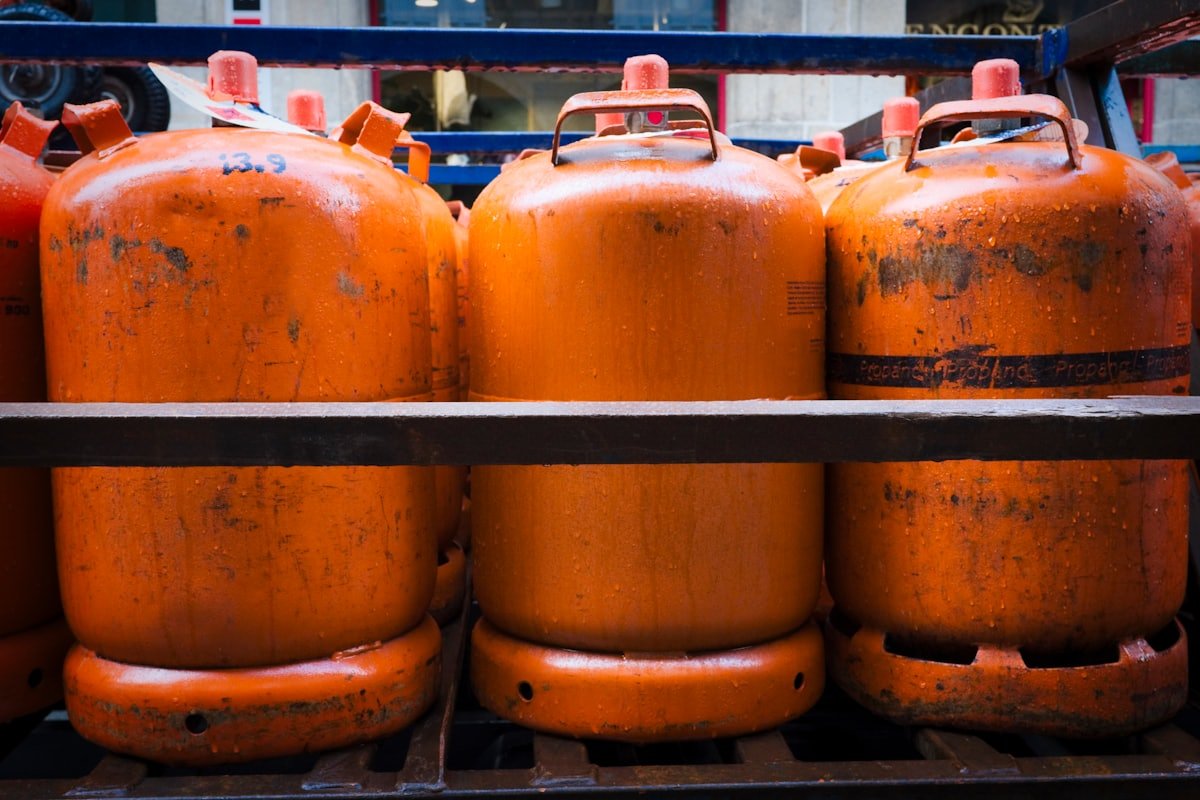
You do not need a fortune to begin. At a minimum, you need a base to sell from, whether a shop or a delivery setup. Stock some cylinders to sell or exchange. An accurate weighing scale is non-negotiable. You also need a reliable source of gas nearby. And keep basic safety gear, like a fire extinguisher, on hand. Costs vary widely by area and scale, so get current quotes before you commit.
Sourcing your gas
Your supply is the backbone of the business. Find a gas plant or depot you can rely on. Look for consistent availability and a fair bulk price. Build a steady relationship with them, because consistency beats chasing the cheapest price once. If your supply is unreliable, your customers will leave. Treat this relationship as a priority.
Pricing and honest weight
You buy per kilogram, and you sell per kilogram. The gap is your margin, so price fairly against nearby vendors. Here is the part that makes or breaks you. Never shortchange customers on weight. Short measure feels clever for a day, but it kills trust and repeat business. Honest weight is the cheapest marketing you will ever do. Our buying guide shows how customers themselves judge value.
Safety and the law
Gas is regulated, and for good reason. Selling LPG usually means meeting safety rules and getting the right approvals. Requirements change, so check the current rules with the relevant authorities and your local fire service before you start. Store cylinders upright and ventilated. Keep extinguishers on hand. Train anyone who works with you. Our safety guide covers the handling basics every operator should know.
Location and delivery
Where and how you sell shapes your growth. A visible, easy-to-reach spot brings walk-in customers. A delivery model widens your reach beyond your street. Many strong vendors do both. Whatever you choose, reliability is what people remember. Show up, deliver on time, and they will keep calling you.
Winning and keeping customers
Customers stay for trust and convenience. Give honest weight, every single time. Be reliable, and pick up when they call. Sell good cylinders and genuine accessories, not the cheapest ones that fail. A simple WhatsApp line for orders goes a long way. Happy customers tell their neighbours, and word of mouth is gold in this trade. Our equipment guide helps you stock parts that last.
Common mistakes to avoid
A few mistakes sink new vendors. Shortchanging customers on weight is the big one, since it destroys trust. Ignoring safety is another, and it is dangerous as well as costly. Selling poor cylinders or fake accessories damages your name. Running out of stock sends customers to a rival. And keeping no records leaves you blind to your own profit. Avoid these, and you are ahead of most.
A simple startup checklist
- Pick a base: a shop, a delivery setup, or both.
- Line up a reliable gas plant or depot to supply you.
- Get an accurate weighing scale.
- Stock good cylinders and genuine accessories.
- Check current licensing and safety requirements.
- Keep a fire extinguisher and basic safety gear.
- Set fair prices, and always give honest weight.
Frequently asked questions
Is a cooking gas business profitable in Nigeria?
It can be, with steady demand and repeat customers. Profit comes from volume and trust, not from short-measuring people.
How much do I need to start?
It varies widely by location and scale. You can start small and grow, so get current local quotes for cylinders, a scale, and your first stock.
Do I need a licence to sell cooking gas?
Usually yes, in some form. Rules change, so confirm current requirements with the relevant authorities and your local fire service before you begin.
A cooking gas business is not a get-rich-quick scheme. It is a steady, essential trade that rewards safety, consistency, and honest weight over time. Build that reputation, and the business builds itself.
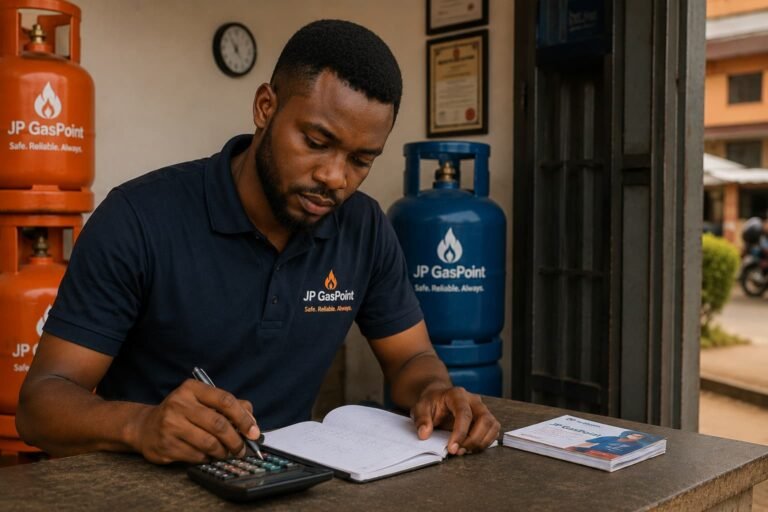
We learned this firsthand running JP GasPoint in Lagos. For the knowledge side, our safety, equipment, and buying guides are a solid foundation. If you are a customer rather than a vendor, see our services or message us on WhatsApp.





One Comment