Moving House with a Gas Cylinder: What to Know
Moving house brings a long list of things to think about, and your gas cylinder rarely makes the top of it. Then moving day arrives, and suddenly you are staring at a half-full cylinder wondering if it is even safe to put in the car. Moving house with a gas cylinder is simpler than it feels, once you know the order to do things in.
This guide covers exactly that, taking your existing gas setup from your old home to your new one, safely and without drama. We help customers move their gas setup across Lagos regularly, so here is what we tell them.
Yes, you can take your cylinder with you
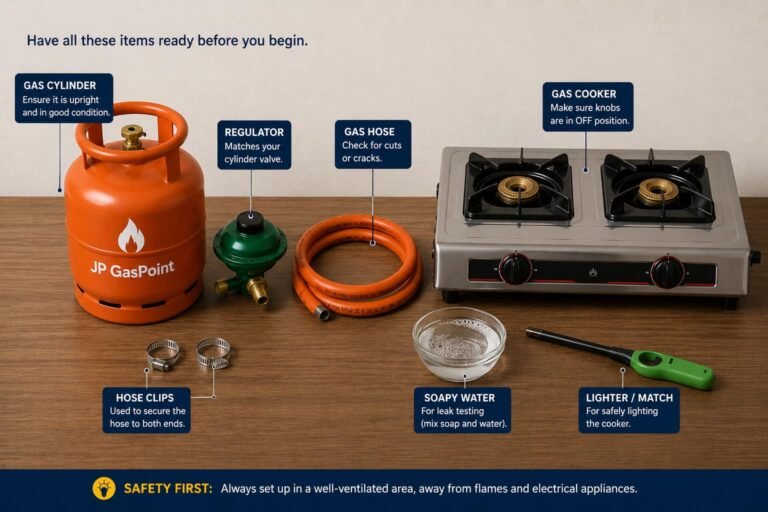
The good news first. Your cylinder, regulator, hose, and cooker are yours, and there is no reason to leave them behind. Moving a gas cylinder is routine, as long as it is done the right way. You do not need to empty it, sell it, or buy a whole new setup at your new address, unless you want to.
Before moving day: disconnect properly
Start by closing the cylinder valve fully. Let any gas in the hose burn off by lighting the cooker briefly, then turning it off once the flame dies. Disconnect the hose from the regulator and the cooker. Then remove the regulator from the cylinder valve. A quick whiff of gas as you disconnect is normal and clears fast. Handle each part gently as you pack it.
Packing the cylinder for the move
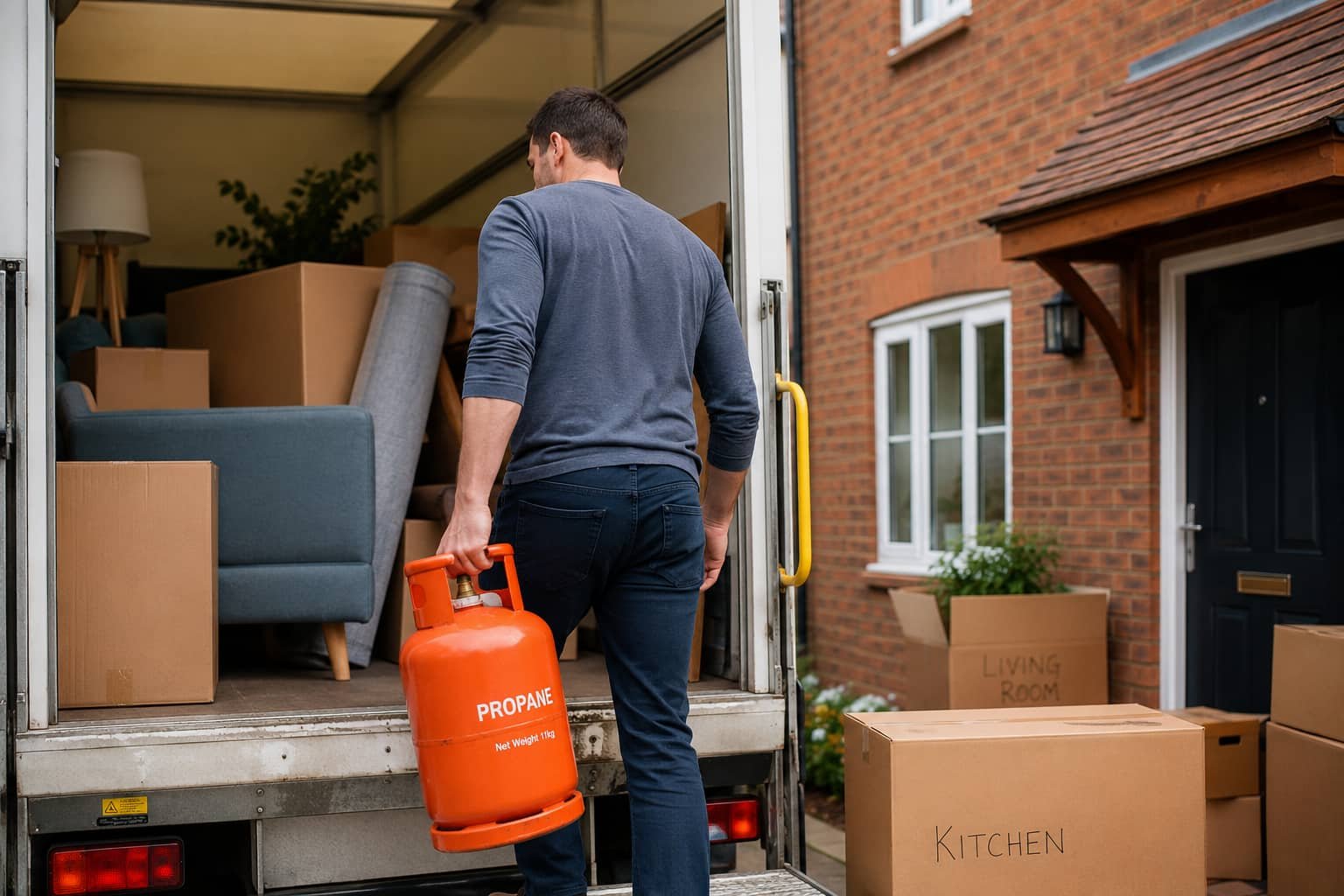
Once disconnected, the cylinder should travel upright, never on its side. Stand it in a stable spot in the vehicle, wedged so it cannot roll or tip during the drive. If you are using movers, tell them directly that it is a gas cylinder, and ask that it goes in last, so it is not buried under boxes. It also helps to keep it separate from anything flammable, like paint or cleaning fluids.
During the journey
Keep a window slightly open for airflow if the cylinder is riding with you rather than in a separate moving vehicle. Avoid long stops in direct sun, since heat builds quickly in a closed car. Go straight to your destination where possible, rather than running other errands with the cylinder sitting in the back. Our storage and transport guide covers the full detail on moving a cylinder safely.
Setting up at your new home
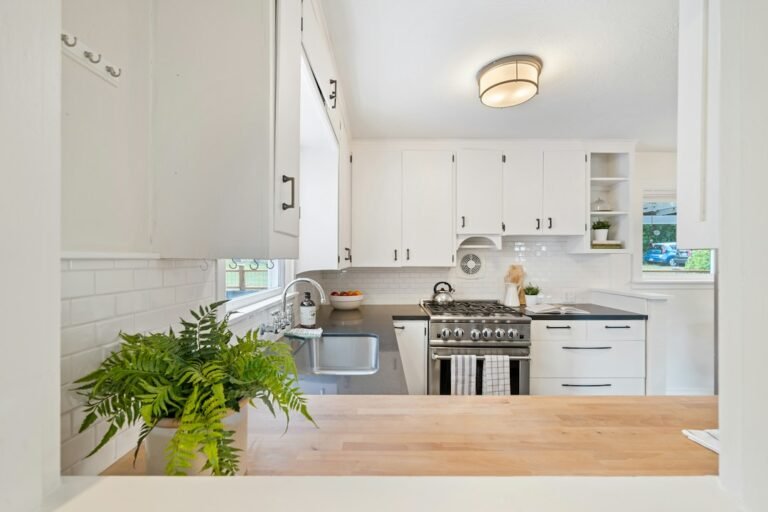
Unload the cylinder promptly and stand it upright in its new spot, a firm, level, ventilated area, away from heat and switches. Reattach the hose to the regulator and cooker first, then fit the regulator onto the cylinder. Before you light anything, run the soapy water leak test on every joint. New surroundings are exactly when it is worth double-checking, even if everything worked fine before the move. Our setup guide walks through this in full, with the correct order.
Check everything survived the move
A bumpy journey can be harder on your equipment than it looks. Inspect the hose for any new cracks or damage from being packed. Check the cylinder for fresh dents, especially if it was dropped or knocked during loading. If anything looks different from before the move, do not take chances, replace the part before you rely on it.
If you are moving far, or flying
A cylinder can travel by road within reason, but it is not something to check onto a flight or send through most courier services, since gas cylinders are treated as hazardous cargo by these carriers. If you are relocating a long distance, the simpler and safer choice is often to leave your old cylinder with your vendor for exchange, and buy or exchange a fresh one at your new location instead.
Your moving day checklist
- Close the cylinder valve and disconnect the hose and regulator.
- Pack the cylinder upright, secured, and away from flammables.
- Avoid leaving it in a hot, closed vehicle for long.
- Set up in a firm, ventilated spot at your new home.
- Run a fresh soapy water leak test before lighting.
- Check the hose and cylinder for any damage from the move.
Frequently asked questions
Can I move a half-full gas cylinder?
Yes. There is no need to empty or use it up before moving. Just disconnect it properly, keep it upright, and secure it for the journey.
Do I need to tell my movers about the cylinder?
Yes, always. Let them know it is a gas cylinder so they handle it upright, carefully, and separately from other flammable items.
Should I use the same hose at my new home?
If it is in good condition, yes. If it shows any cracks or wear, or you are simply due a replacement, this is a good moment to fit a new one.
Is it safe to reconnect gas myself in a new home?
Yes, most people can do it themselves by following the setup steps and leak test carefully. If anything feels uncertain, it is fine to ask for help.
Moving house with a gas cylinder is a small task inside a big one. Disconnect properly, transport it upright and secured, then set up carefully and test for leaks at the other end. Handled this way, your gas setup makes the move just as smoothly as the rest of your home.
If you are moving within Lagos and would rather we handled your gas setup, we can help you move, reconnect, or exchange your cylinder. See our services, read our storage and transport guide, or message us on WhatsApp.