
How Can You Tell How Much Gas Is Left in a Cylinder?
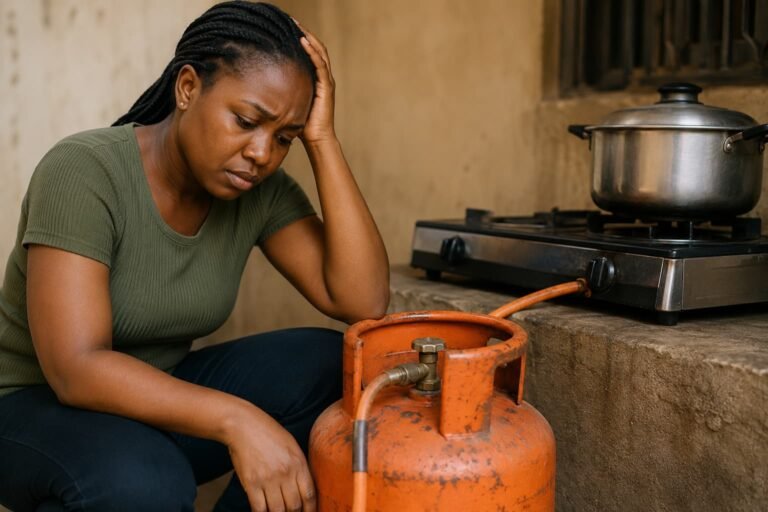
There is a moment many households know well. When you are cooking the flame suddenly looks weaker, and you start wondering how much gas is actually left.
Unlike a car fuel tank, a normal LPG cylinder does not come with a simple dashboard showing the remaining quantity. You may have to estimate it or check the cylinder another way.
So, how can you tell how much cooking gas is left in a cylinder? Here are the practical methods, and what each one can really tell you.
The most reliable method is weighing the cylinder
For a normal steel LPG cylinder, weighing is the most useful way to estimate how much gas remains.
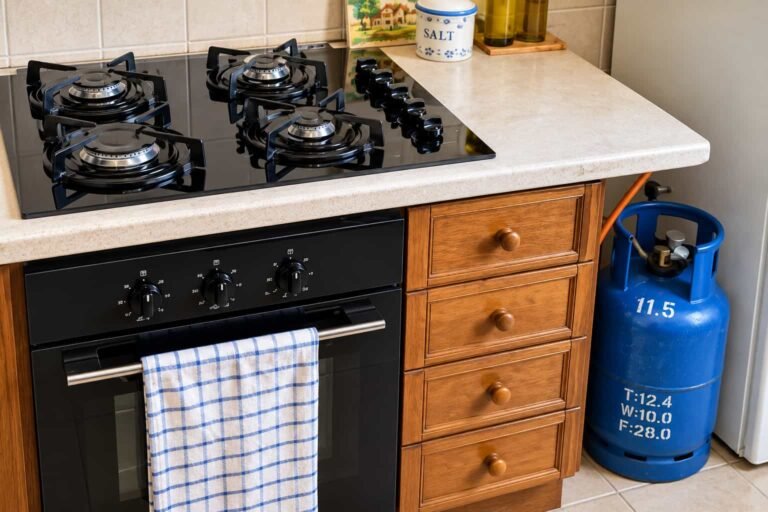
Every cylinder has an empty weight, commonly called the tare weight. It is usually stamped on the cylinder or its neck ring.
The basic calculation is simple:
Gas remaining = current cylinder weight − tare weight
For example, if a cylinder weighs 9 kg and its tare weight is 4 kg, the calculation suggests about 5 kg of LPG remains.
The example is only for explaining the calculation. Your cylinder’s actual tare weight and permitted LPG capacity are the figures that matter.
For an accurate check, the cylinder should be weighed with a suitable scale. A refill point that uses proper weighing equipment can give you a more dependable reading than guessing at home.
What is tare weight?
Tare weight is the weight of the empty cylinder.
It is important because a cylinder marked 6 kg or 12.5 kg does not mean the whole cylinder weighs that amount. Those figures refer to the LPG capacity, not the weight of the steel container itself.
The actual empty weight can vary between cylinders. That is why you should use the tare weight stamped on your own cylinder instead of relying on a general figure.
If you want to understand the numbers used when LPG is sold by kilogram, see our guide to cooking gas price per kg in Nigeria.
Can you tell the gas level by lifting the cylinder?
You can sometimes tell that a cylinder is getting lighter, but lifting it is not a reliable way to know how many kilograms remain.
People often develop a feel for their own cylinder after using it for a long time. That can give you a rough idea, but it cannot tell you the actual quantity.
The same is true of shaking the cylinder. It may seem like an easy test, but it does not give you a dependable measurement.
You should not shake, roll or handle a cylinder roughly just to estimate its gas level. Keep the cylinder upright and stable.
What about the warm-water method?
You may have seen people pour warm water down the side of an LPG cylinder and feel for a temperature change.
This can sometimes give a rough indication of where the liquid LPG level sits inside a steel cylinder. The metal above and around the liquid can feel different from the section containing liquid LPG.
However, treat this as an estimate, not a measurement. Weather, cylinder temperature and the way the test is performed can affect what you feel.
Do not use boiling water, an open flame or any method that heats the cylinder. There is no need to create a heat source around a pressurised LPG container just to estimate the remaining gas.
Can a gas regulator tell you how much LPG is left?
Some regulators and gas-level devices have gauges or indicators. These can be useful, but a pressure reading should not automatically be treated as an exact measurement of the kilograms remaining.
LPG pressure changes with temperature and other conditions. A pressure gauge can therefore give useful information about the system without telling you the exact amount of liquid LPG inside the cylinder.
If you need to know the quantity, weighing is still the more practical method for a standard steel cylinder.
What signs suggest your gas is running low?
You may notice a few everyday signs when a cylinder is getting low.
The first is simply that the cylinder has lasted through most of its normal cooking cycle. If you keep basic records, you can often predict when another refill is due.
You may also notice changes in cooking performance. However, a weak or unusual flame does not always mean the cylinder is nearly empty.
A blocked burner, regulator problem, hose issue or another appliance fault can also affect the flame. Do not assume every weak flame means you need more gas.
If your gas seems to finish much faster than usual, check the rest of the system too. Our guide on why cooking gas can finish faster than expected explains some common causes.
What is the safest way to check before a refill?
If you simply want to know whether it is time to refill, you do not need to perform a risky test at home.
Keep the cylinder upright and stable. Do not disconnect a live regulator or hose just to weigh the cylinder unless the setup has been made safe by a qualified person.
If you want an accurate quantity check, take the cylinder to a proper LPG refill point and ask for it to be weighed using suitable equipment.
This also makes it easier to compare the amount of LPG supplied with the amount you paid for.
Do you have to wait until the cylinder is empty?
No. You can refill a suitable cylinder while it still contains LPG.
In fact, waiting until the final bit of gas can be inconvenient if you depend on LPG for daily cooking.
If your cylinder is getting low, planning the refill early can help you avoid running out during cooking.
We explain this in more detail in Can You Refill a Gas Cylinder Before It Is Empty?.
Frequently asked questions
Can I know the exact gas left by looking at the cylinder?
No. The outside of a normal steel cylinder does not show the exact LPG quantity inside. Weighing is more dependable.
Is shaking a gas cylinder a good way to check the gas level?
No. Shaking does not give you a reliable kilogram measurement, and a cylinder should be handled gently and kept upright.
Can a pressure gauge show how many kilograms are left?
Not precisely. Pressure varies with temperature and other conditions, so it should not be treated as an exact LPG quantity reading.
What is the best way to know how much gas I have left?
For a standard steel cylinder, weighing it and accounting for its tare weight gives a practical estimate of the LPG remaining.
What if my cylinder suddenly seems empty?
If the cylinder became empty much sooner than usual, do not immediately assume the refill was short. Check for leaks, appliance problems and changes in cooking use.
Knowing your gas level makes refilling easier
You do not need to guess every time you want to know how much LPG remains.
For a standard steel cylinder, weighing is the clearest practical method. The tare weight gives you the starting point, while the current weight tells you what is there now.
Other methods can offer rough clues, but they should not replace proper weighing when an accurate quantity matters.
And if the gas is getting low, you do not have to wait until the cylinder is completely empty. Plan your refill before the last kilogram becomes a problem.