How to Know If Your Cooking Gas Refill Is the Right Quantity
When you pay for a cooking gas refill, you should know what you are actually paying for. The price on the receipt or the amount you hand over is only one part of the transaction. The other part is the quantity of LPG that goes into your cylinder.
For many Nigerian households, the easiest way to check this is to understand how LPG is measured, how the cylinder’s tare weight works, and what the scale reading means. You do not need to become an expert in gas handling. You simply need to know what to look for.
Cooking Gas Is Measured by Weight
LPG is normally sold by weight, not simply by how full a cylinder looks. That matters because two cylinders can look similar from the outside while containing different amounts of gas.
If you are buying a 12.5kg refill, for example, the 12.5kg refers to the LPG quantity, not the total weight of the cylinder. The cylinder itself also has a tare weight, so the filled cylinder will weigh more than 12.5kg.
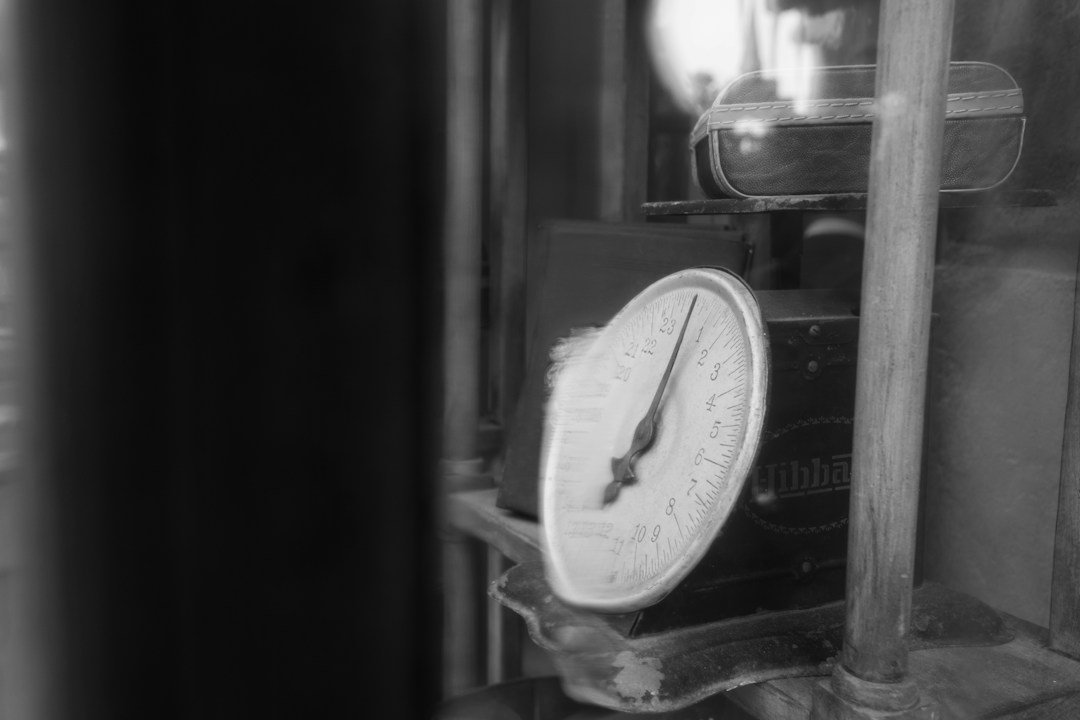
This is why a proper weighing scale is such an important part of a gas refill operation.
What Is the Cylinder’s Tare Weight?
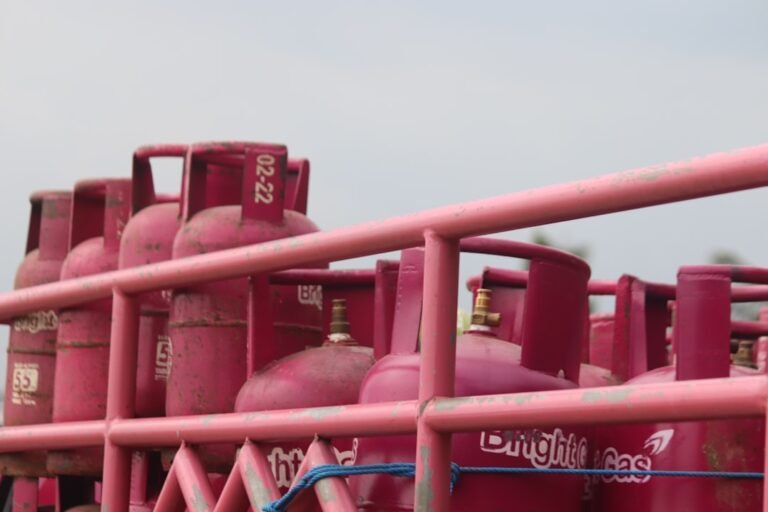
Your cylinder has weight even when there is no LPG inside it. The empty cylinder’s weight is called its tare weight, often marked as TW on the cylinder.
The total weight of a filled cylinder is therefore made up of the cylinder itself plus the LPG inside it. In simple terms:
Total weight = tare weight + LPG weight
For example, if a cylinder has a tare weight of 10kg and contains 12.5kg of LPG, its total weight would be about 22.5kg. This is why the tare weight matters when checking a filled cylinder: the expected gross weight is the tare weight plus the intended LPG quantity.
How to Check the Quantity of a Refill
You do not need to handle the cylinder yourself while it is being filled. Instead, ask the vendor to explain the weighing process if you are unsure about the quantity.
A straightforward refill process should involve weighing the cylinder and accounting for its tare weight so the amount of LPG added can be determined. The weighing equipment should also be suitable and properly maintained for the job. LPG industry guidance recommends accurate weighing and regular checks of weighing equipment.
If a vendor gives you only a visual estimate instead of using the appropriate weighing process, ask how the quantity was determined before completing the purchase. You are entitled to understand the quantity you are paying for.
Do Not Judge the Amount of Gas by the Cylinder’s Appearance
A common mistake is trying to judge how much gas is inside by looking at the cylinder or lifting it with your hands. Neither gives you a reliable measurement.
A cylinder can also feel different depending on its construction, size and tare weight. Paint, handles and other fittings add weight too. What matters for the LPG quantity is the measured weight, not how heavy the cylinder feels in your hands.
This is one reason it is better to think in kilograms when comparing refills. If you want to understand how much a particular cylinder size can hold, our guide to 6kg vs 12.5kg gas cylinders explains the difference in practical terms.
What If You Are Refilling a Partly Empty Cylinder?
This is where weighing becomes even more useful. You may not always be buying a completely empty cylinder’s full rated capacity. Sometimes you are simply adding enough LPG to bring the cylinder back up to the quantity you want.
In that situation, the amount added is determined by the change in weight during the refill process. The operator should use the appropriate equipment and procedures rather than estimating the quantity by eye.
That also means you should not assume that every refill will cost the same amount. The amount of LPG purchased and the current price per kilogram both affect the final bill.
Why Your Refill Bill Can Change Even When Your Cylinder Has Not Changed
Your cylinder size may stay exactly the same while the amount you pay changes. That does not automatically mean the quantity has changed.
LPG prices can move because of supply costs, transportation, exchange rates, demand and other operating costs. We explain these factors in Why Does Cooking Gas Price Change So Often in Nigeria?
The useful comparison is therefore the quantity of LPG you are buying and the price being charged for that quantity, rather than comparing only the total amount on the receipt.
Questions to Ask Your Gas Vendor
If you are unsure about a refill, you can keep the conversation simple. Ask how many kilograms you are buying, whether the cylinder was weighed, and how the cylinder’s tare weight was accounted for.
A reliable vendor should be able to explain the transaction clearly without making you feel uncomfortable for asking. You are paying for a measurable quantity of LPG, so understanding what you bought is reasonable.
What If You Think You Were Given Less Gas?
Start with the records rather than making an accusation. Check the quantity you requested, the amount you paid and any available weighing information.
If you regularly buy from the same vendor, keep a simple record of your refill dates, kilograms purchased and amount paid. Over time, this gives you a much clearer picture of your household’s actual gas consumption.
If the issue is a price you believe is unusually high rather than the quantity itself, our guide on how to tell if you are being overcharged for cooking gas can help you examine the situation more carefully.
A Simple Refill Check Before You Pay
Before leaving with your cylinder, make sure you understand what you bought and what you paid for. You can use this simple check:
Before you pay, check these five things: the quantity of LPG requested, how the cylinder was weighed, the cylinder’s tare weight when necessary, the amount charged, and your refill record.
You do not need to turn every refill into a complicated calculation. The goal is simply to understand the kilograms purchased and make sure the amount charged matches the transaction.
Frequently Asked Questions
Is cooking gas sold by kilogram?
Yes. LPG is commonly sold by weight, which is why kilograms are important when checking the quantity of a refill.
What does TW mean on a gas cylinder?
TW generally refers to the cylinder’s tare weight, meaning the weight of the empty cylinder used when calculating the amount of LPG inside.
Can I know the amount of gas inside by lifting the cylinder?
Not accurately. The cylinder itself has weight, and different cylinders have different tare weights. A proper scale is a much more reliable way to determine LPG quantity.
Should I weigh my cylinder at home?
There is usually no need to handle or move a filled LPG cylinder just to estimate its contents. For an accurate refill transaction, rely on the appropriate weighing equipment and a competent gas vendor.
The Bottom Line
The easiest way to know you are getting the right quantity of cooking gas is to think in kilograms, not appearances. A proper refill should be based on weighing and the cylinder’s tare weight, rather than guessing how full the cylinder looks.
At JP GasPoint, we believe customers should understand what they are paying for. If you are in Bucknor or Community Road, Ago Palace, you can contact us for properly weighed cooking gas refill and delivery.