
The Real Cost of Cooking Gas in Nigeria: A Smart Buying Guide
Cooking gas is one of those costs that quietly adds up. A few hundred naira here, a quick ‘fill am’ there, and over a year it becomes real money. The good news? The cost of cooking gas in Nigeria is more controllable than most people think. You only need to understand how the price works, and where the small leaks of money happen.
This guide breaks down what drives the price you pay. It also shows how to compare vendors fairly. And it covers the simple habits that stretch every kilogram further. We run a gas business in Lagos, so this is the same straight talk we would give a friend.
What determines the cost of cooking gas in Nigeria
The gas in your cylinder is a globally traded commodity. Its base price moves with international markets. It also moves with the exchange rate, since LPG is largely priced in dollars. On top of that sit local costs: transport, how far you are from a depot, and each vendor’s own margin. Demand matters too, so prices often climb in the rainy season and around the festive period.
You cannot control the global price or the exchange rate. What you can control is how, where, and how much you buy. That is where the savings actually live.
Always think in price per kilogram
This is the single most useful habit you can build. Vendors quote all sorts of things: ‘fill your 12.5kg,’ or ‘buy gas for two thousand.’ Those phrases quietly hide the real rate. Ask for the price per kilogram, and think in those terms every time.
Once you know the per-kilogram rate, you can compare any two vendors in seconds. You also notice at once if a ‘full’ cylinder is costing more than last month. It turns a vague transaction into something you can actually check.
Refill or full-cylinder exchange?
A refill means gas is pumped into your own cylinder, and you pay for the weight added. An exchange means you swap your empty for one already filled. Exchange is faster. But you are trusting someone else’s fill, and you may hand over a good cylinder for one in worse condition.
For most households, refilling your own cylinder while watching the scale is best. It gives you both value and control. Exchange is mainly about speed when you are in a hurry.
The hidden cost of short measure
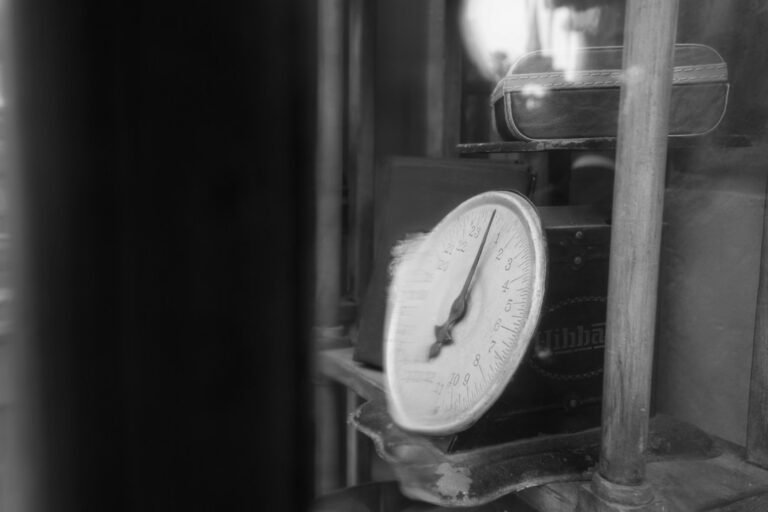
For most people, the biggest overpayment is not a high price. It is short weight. A cylinder called ‘full’ that comes back a kilogram light is money gone, every single time you buy.
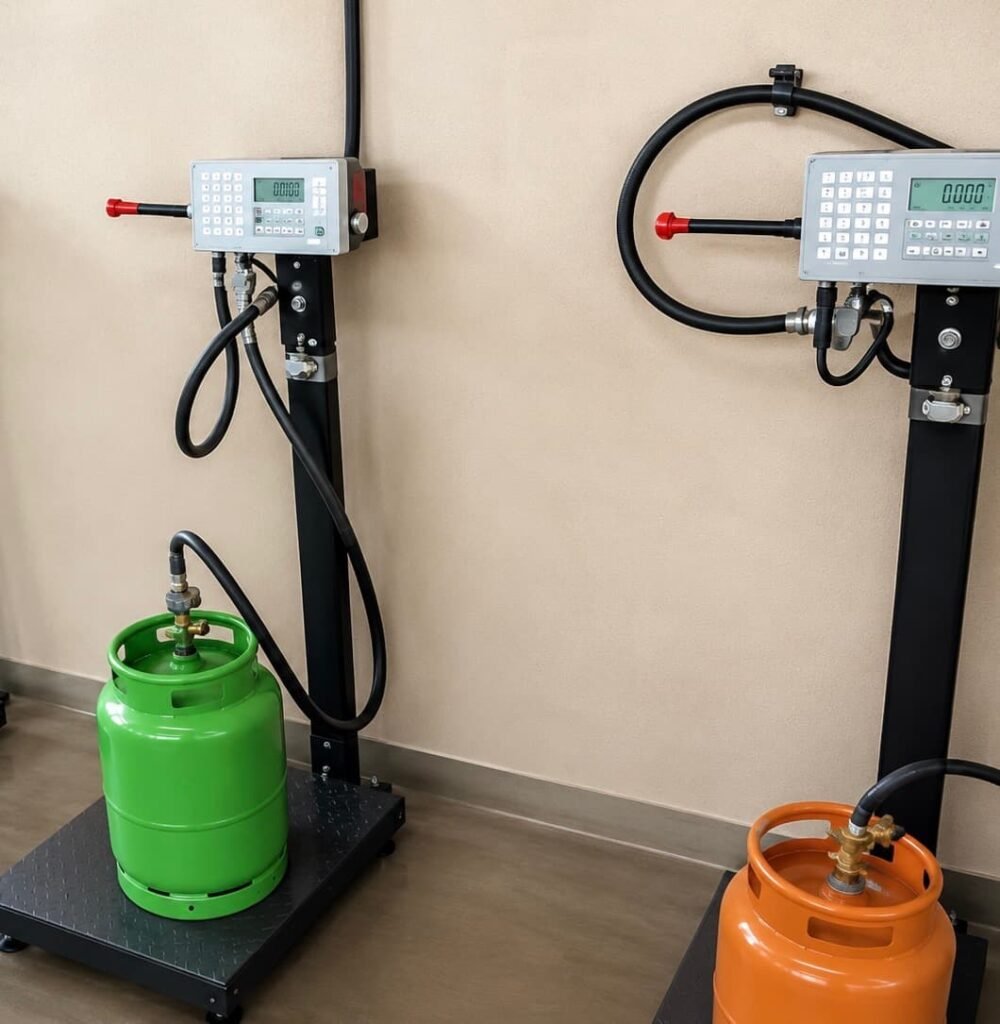
Protect yourself with three simple moves. Buy where the cylinder is weighed in front of you. Learn your cylinder’s empty (tare) weight, so you can confirm how much gas was added. And be cautious anywhere that will not show you the scale. Honest weight is exactly the standard we hold ourselves to at JP GasPoint.
Match the cylinder size to your home
The common sizes are easy to picture. 3kg and 6kg suit small households and light cooking. 12.5kg is the standard family size. Larger 25kg or 50kg cylinders are for heavy users and small food businesses. As a rule, a bigger fill costs a little less per kilogram, and means fewer trips.
So if you cook often, fully refilling a 12.5kg usually beats topping up a 6kg again and again. Match the size to how much you genuinely cook. Do not buy for the smallest amount you can pay today.
Simple ways to spend less on gas
A few quiet habits make a real difference over a year. Fill fully rather than bit by bit. The per-kilogram rate is better, and you run out less often. Cook efficiently too: use the right burner for the pot, and keep a lid on. Turn down to a simmer once the pot boils, since a roaring flame doing nothing is just money burning.
Keep your equipment in good shape as well. A leaking hose or regulator wastes gas silently, and our cooking gas safety guide covers how to check. Finally, settle with one honest vendor who weighs properly. Chasing whichever sign shows the lowest number rarely pays off.
When the cheapest gas is not the cheapest
A price that looks too good usually is. Suspiciously cheap gas can mean short measure. Sometimes it means a poor-quality product that burns fast and sends you back to refill sooner. Once you factor in reliability and safety, the maths changes. A vendor who delivers, weighs honestly, and stands behind the gas wins over a year. One who shaves a little off every fill only looks cheaper.
Your quick gas-buying checklist
- Ask the price per kilogram, not just per ‘fill.’
- Watch the cylinder being weighed before you pay.
- Fill fully instead of small, frequent top-ups.
- Match the cylinder size to how much you cook.
- Keep your hose and regulator in good condition.
- Choose an honest, reliable vendor over the cheapest sign.
The cost of cooking gas comes down to two things you control: honest weight and smart habits. Get those right, and the global price matters far less to your pocket.
If you are in Lagos, we can help. We weigh honestly and deliver to your door. See our services, read our cooking gas safety guide, or message us on WhatsApp for today’s rate.


One Comment