Choosing the Right Cooking Gas Equipment for Your Home
Good cooking gas equipment does its job quietly. You barely notice it. Bad or worn equipment is the opposite, and it is where most gas problems and wasted money begin. The right cylinder, regulator, hose, and burner make cooking safer, cheaper, and far less stressful.
This guide walks through each piece of cooking gas equipment you actually need. We fit and sell this gear every day in Lagos, so the advice here is practical, not theoretical. We will cover what to buy, how to spot poor quality, how to set it up, and when to replace it.
The cooking gas equipment that matters
Your setup really comes down to four parts. The cylinder holds the gas. The regulator controls how it flows. The hose carries it to the cooker. And the burner turns it into a flame. A fifth item, a gas detector, is optional but smart. Get these right, and everything else falls into place.
Choosing a gas cylinder
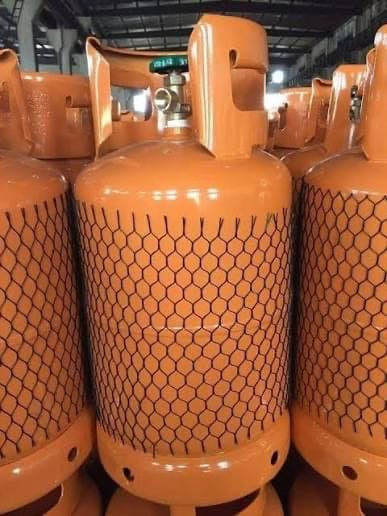
Start with the cylinder, since it is the heart of your setup. Buy from a trusted source, and pick a known, reputable brand. Check the body for heavy rust, deep dents, or a damaged base. A weak cylinder is never worth the risk.
Size matters too. A 6kg suits light cooking, while 12.5kg is the standard family choice. We cover sizing in detail in our cost guide. The rule is simple: match the cylinder to how much you cook.
Know your cylinder valve
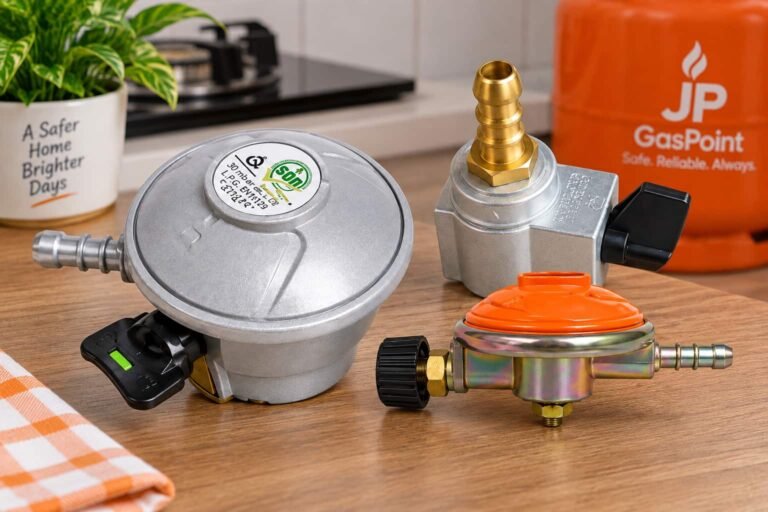
Before you buy a regulator, check your cylinder’s valve. Nigerian cylinders mostly use one of two types. Some take a clip-on regulator that snaps over the valve. Others use a screw-on regulator that threads in. The two are not interchangeable.
So confirm which valve your cylinder has before you shop. Then buy the matching regulator. If you are unsure, take a photo of the valve, or simply ask your gas vendor.
Choosing a regulator
The regulator sits on the cylinder valve and controls the gas flow. It must match your valve type, as we just covered. A genuine, well-made regulator is worth the small extra cost.
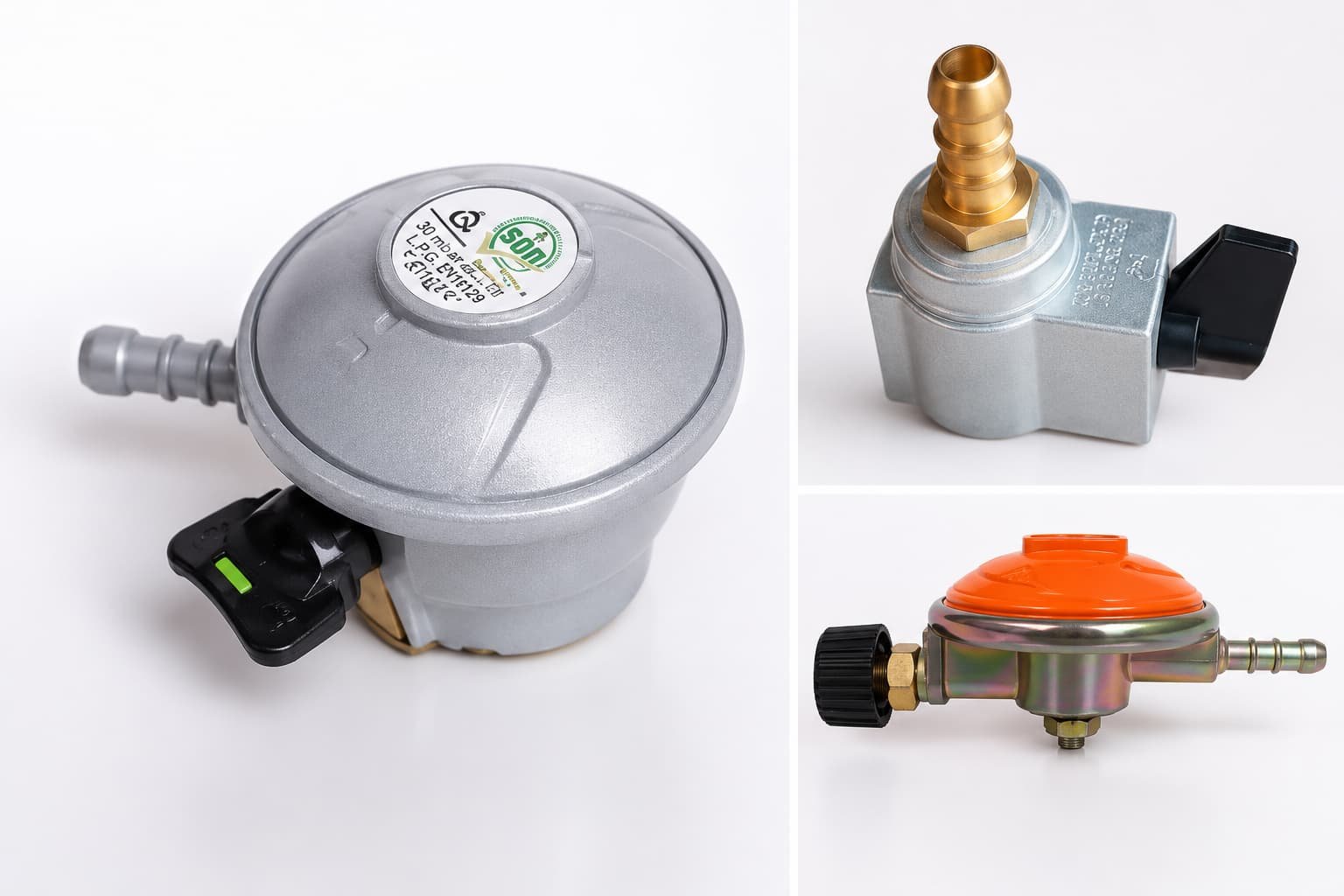
It should seat firmly, with no hissing. A loose or cheap regulator is a common, quiet source of leaks. If yours does not lock on properly, replace it rather than force it.
Choosing a gas hose
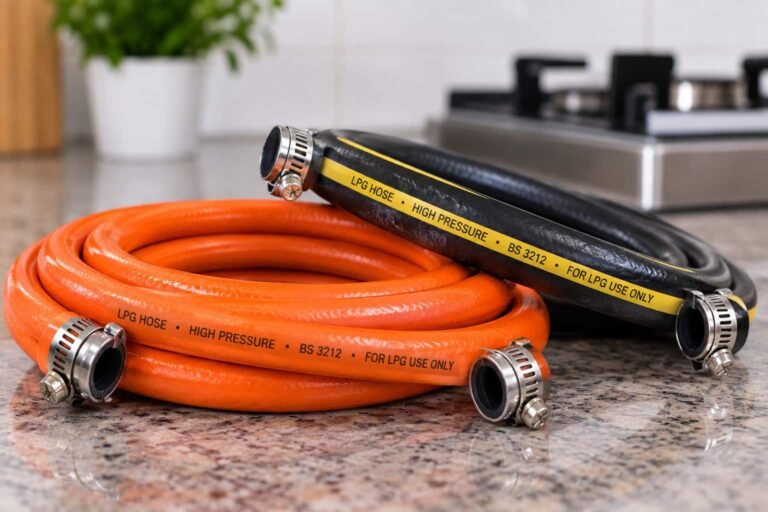
The hose is small, cheap, and the part that fails most. Use a proper LPG-rated hose, not any random tube. Get a length that reaches comfortably, without stretching or coiling.
Secure both ends with clips. Then plan to replace it every one to two years, sooner if it cracks. Our cooking gas safety guide explains how to check a hose for wear.
The burner or cooker
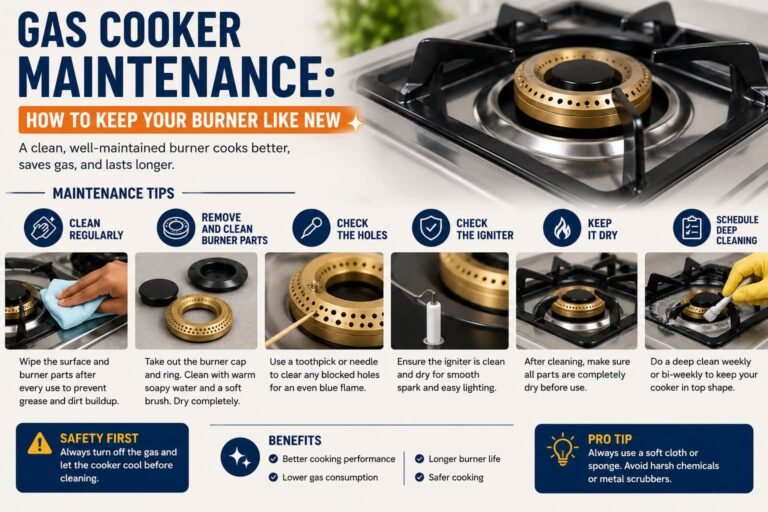
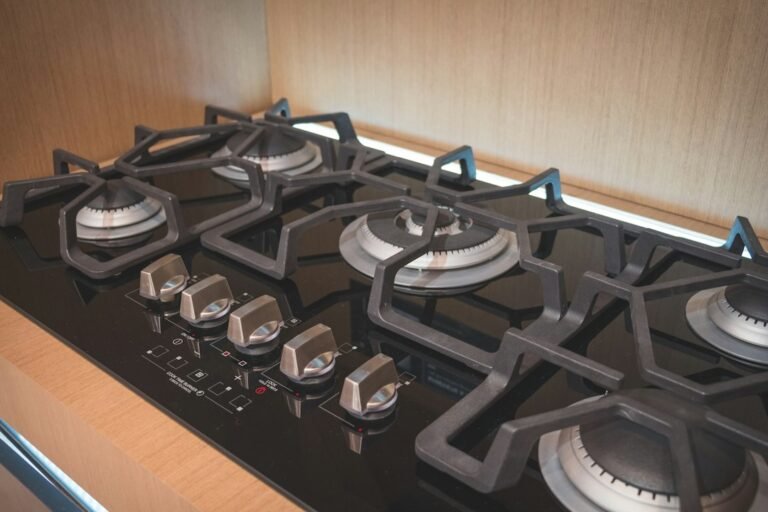
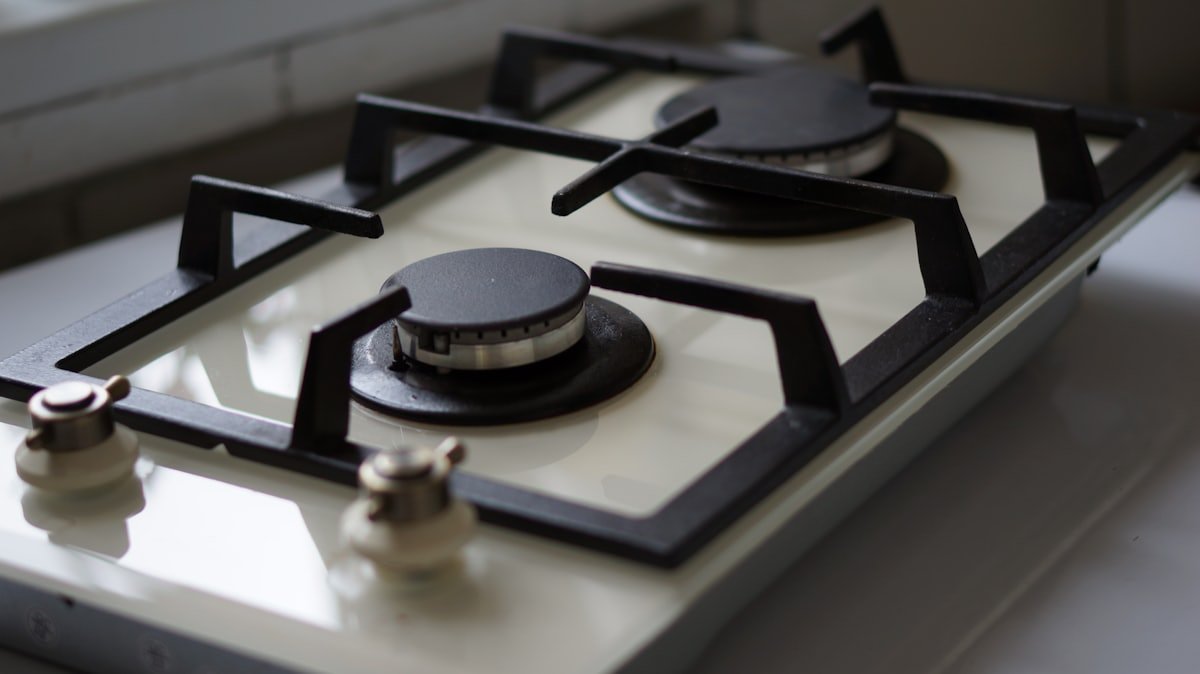
Your cooker can be a small table-top burner or a full standing cooker. Choose based on your space and how much you cook. For burners, brass tends to last longer than light alloy.
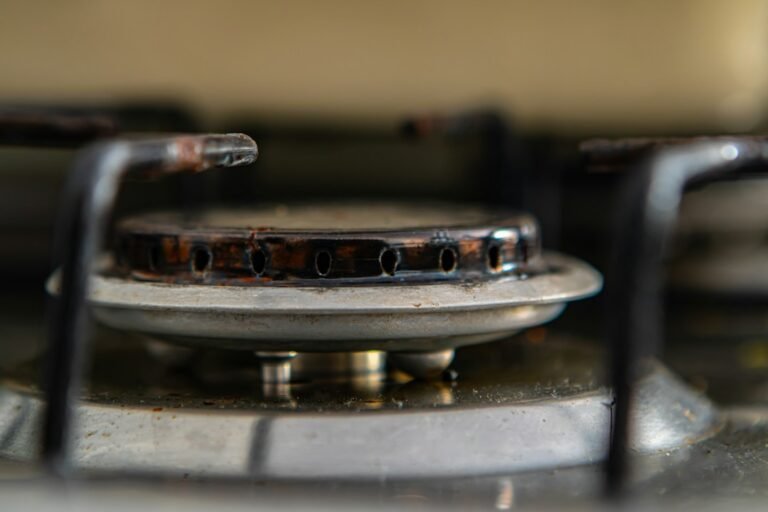
Whatever you pick, the flame tells the story. A healthy flame is steady and blue. A weak or yellow flame means the burner needs cleaning, or the gas is not flowing well.
Watch out for fake or substandard accessories
Counterfeit regulators and hoses are common, and they are dangerous. A fake regulator may not control pressure properly. A poor hose can crack within months. Both are a leak waiting to happen.
Buy your accessories from a seller you trust, not the cheapest roadside option. Look for solid build quality and a known brand. If a regulator feels suspiciously light or loose, walk away. The few naira you save are never worth the risk.
Setting it up safely the first time
Fitting your equipment correctly matters as much as buying it. Attach the regulator firmly to the valve. Connect the hose to both the regulator and the cooker, and clip each end.
Now test before you cook. Brush soapy water over every joint, and watch for bubbles. Bubbles mean gas is escaping, so fix that connection first. Only light the burner once every joint is clean and dry.
Small accessories worth having
A few extras make gas life easier and safer. Keep spare hose clips on hand. A long-reach lighter is safer than matches. A simple cylinder stand or trolley keeps the cylinder steady, and makes a heavy one easy to move. A small spanner helps with screw-on fittings. And keep dish soap nearby for quick leak tests. None of these cost much.
A gas detector is cheap insurance
A gas detector is optional, but it is one of the best small buys you can make. It alerts you to a leak before you can smell it. Place it low on the wall, since gas is heavier than air and settles near the floor. For families and shops, it is well worth the money.
When to replace your equipment
Equipment does not last forever, and patching it is false economy. Replace a hose once it cracks or hardens. Replace a regulator that hisses or will not seat. Swap a cylinder that is badly rusted or dented. And service a burner that burns weak or yellow. Replacing early is always cheaper than a leak.
Your quick equipment checklist
- Buy a genuine cylinder from a trusted brand, in good condition.
- Check your valve type before buying a regulator.
- Match the regulator to the valve, and check it seats firmly.
- Use an LPG-rated hose, clipped at both ends.
- Replace the hose every one to two years.
- Buy genuine accessories, and run a soapy water test after fitting.
- Keep your burner clean for a steady blue flame.
- Add a gas detector for early warning.
Frequently asked questions
How often should I change my gas hose?
Every one to two years is a good rule. Change it sooner if it cracks, hardens, or feels sticky. The hose is cheap, so do not stretch its life.
Are cheap regulators safe?
Often they are not. A regulator controls gas pressure, so this is not the place to cut costs. Buy a genuine one from a trusted seller.
Do I really need a gas detector?
You can manage without one. But it is cheap, and it warns you of a leak before you can smell it. For families and shops, it is well worth having.
Good cooking gas equipment is not about spending the most. It is about buying genuine, fitting it properly, and replacing it before it fails. Do that, and your kitchen stays safe while your gas lasts longer.
If you are in Lagos, we supply genuine cylinders, regulators, and hoses, and we fit them properly. See our services, read our cooking gas safety guide and buying guide, or message us on WhatsApp.