
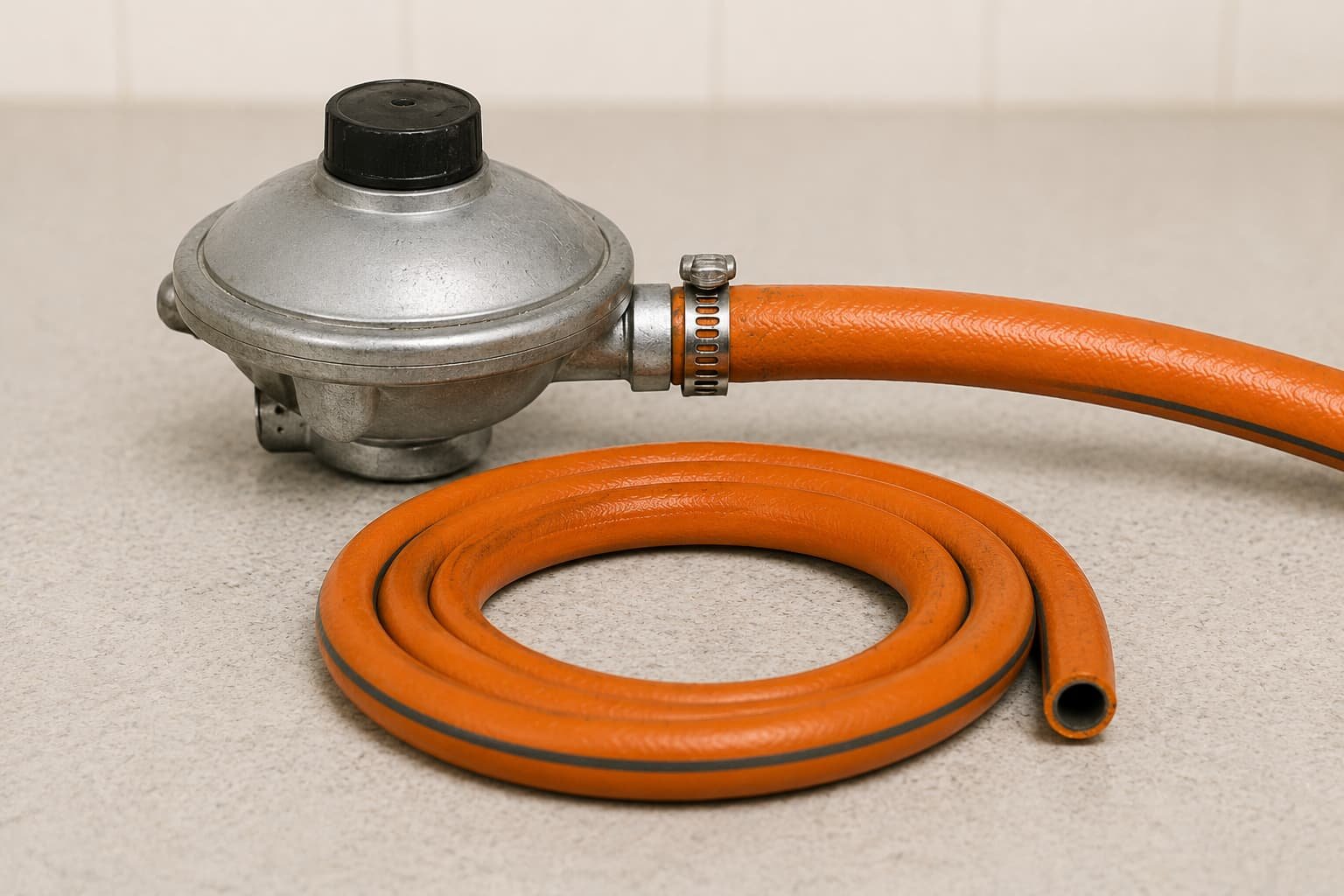
How Often Should You Replace Your Gas Hose and Regulator?
The gas hose and regulator are the cheapest parts of your whole setup. They are also the parts most likely to cause a leak. Yet most people never give them a second thought, until something goes wrong. A little attention here is some of the best safety insurance you can buy.
So how often should you actually replace them? Here is a clear, practical answer, along with the warning signs to watch for. We fit these parts every day in Lagos, so this comes from real experience.
Why these two parts matter most
Your cylinder is built to last for years. The hose and regulator are not. They are made of rubber and small moving parts, and they wear with heat, age, and daily use. That is why they are the usual source of a gas leak. Replacing them on time is cheap, simple, and far safer than waiting for a problem.
How often to replace your gas hose
As a rule, replace your gas hose every one to two years. Replace it sooner if it shows any wear at all. Rubber hardens and cracks over time, especially in heat. A hose that looks tired probably is. Since a new hose costs so little, there is never a good reason to stretch its life.
How often to replace your regulator
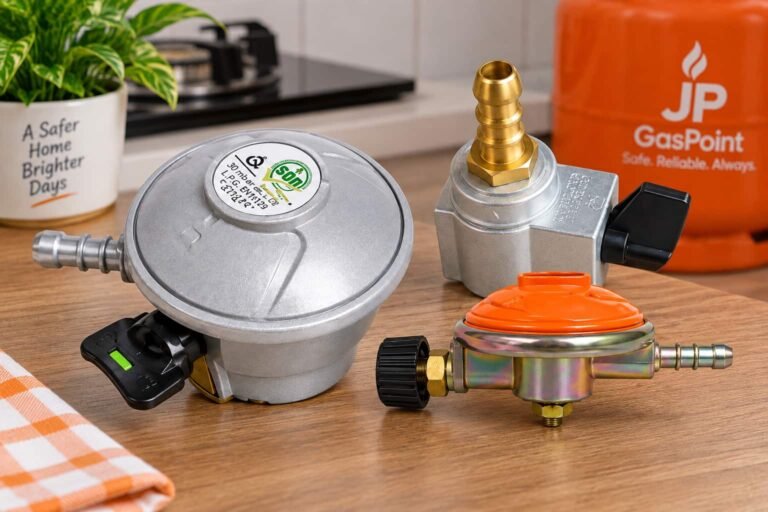
A regulator usually lasts longer than a hose, but it does not last forever. Replace it when it starts to hiss, fits loosely, or will not seat properly. Even without obvious faults, it is worth replacing every few years. The internal seal wears with time, and a worn seal leaks. When in doubt, change it.
Signs your hose needs replacing now
Do not wait for the calendar if you see these. Cracks or splits in the rubber are a clear warning. So is a hose that feels hard, stiff, or sticky to the touch. Any visible wear, fraying, or a gas smell near the hose means replace it today. When a hose looks doubtful, trust your eyes and change it.
Signs your regulator needs replacing
A regulator gives its own warnings. A hiss at the connection means gas is escaping. A regulator that feels loose, or will not lock on firmly, is past its best. A gas smell around the valve is another clear sign. If reseating it does not fix the problem, replace the regulator rather than force it.
How to check them
Checking takes a minute, and it is worth doing often. First, look the hose over for cracks and stiffness. Then run the soapy water test on the joints. Brush a little soapy water over the connections, and watch for bubbles. Bubbles mean a leak, so act on it. Our cooking gas safety guide explains the full test.
Buy genuine, not the cheapest
When you do replace them, quality matters. A cheap or fake hose can crack within months. A poor regulator may not control pressure properly. Both put you back where you started, or worse. Spend a little more on genuine parts from a seller you trust. Our equipment guide explains how to choose well.
A simple replacement routine
Make it a habit, and you will never have to worry. Note the date whenever you fit a new hose. Give the hose and regulator a quick look every few months. Replace the hose every one to two years, and the regulator when it shows its age. Keep a spare clip or two on hand. None of this takes long, and it keeps your kitchen safe.
Frequently asked questions
How long does a gas hose last?
Around one to two years for a good hose. Change it sooner if it cracks, hardens, or feels sticky. The hose is cheap, so do not push your luck.
How often should I replace the regulator?
Every few years, or whenever it hisses, fits loosely, or will not seat. The seal wears over time, so do not wait for a clear fault.
Can I reuse an old hose on a new cylinder?
Only if it is still in good condition. If the hose is old, cracked, or stiff, fit a fresh one. A new cylinder deserves a sound hose.
What happens if I do not replace them?
A worn hose or regulator can leak gas quietly. That wastes gas at best, and risks your safety at worst. Timely replacement avoids both.
Your gas hose and regulator are small, cheap, and easy to overlook. They are also the parts that keep your gas where it belongs. Replace the hose every one to two years, change the regulator when it shows its age, and check both regularly. It is the simplest safety habit you can build.
If you are in Lagos, we supply and fit genuine hoses and regulators properly. Read our equipment guide for more, see our services, or message us on WhatsApp.




One Comment