
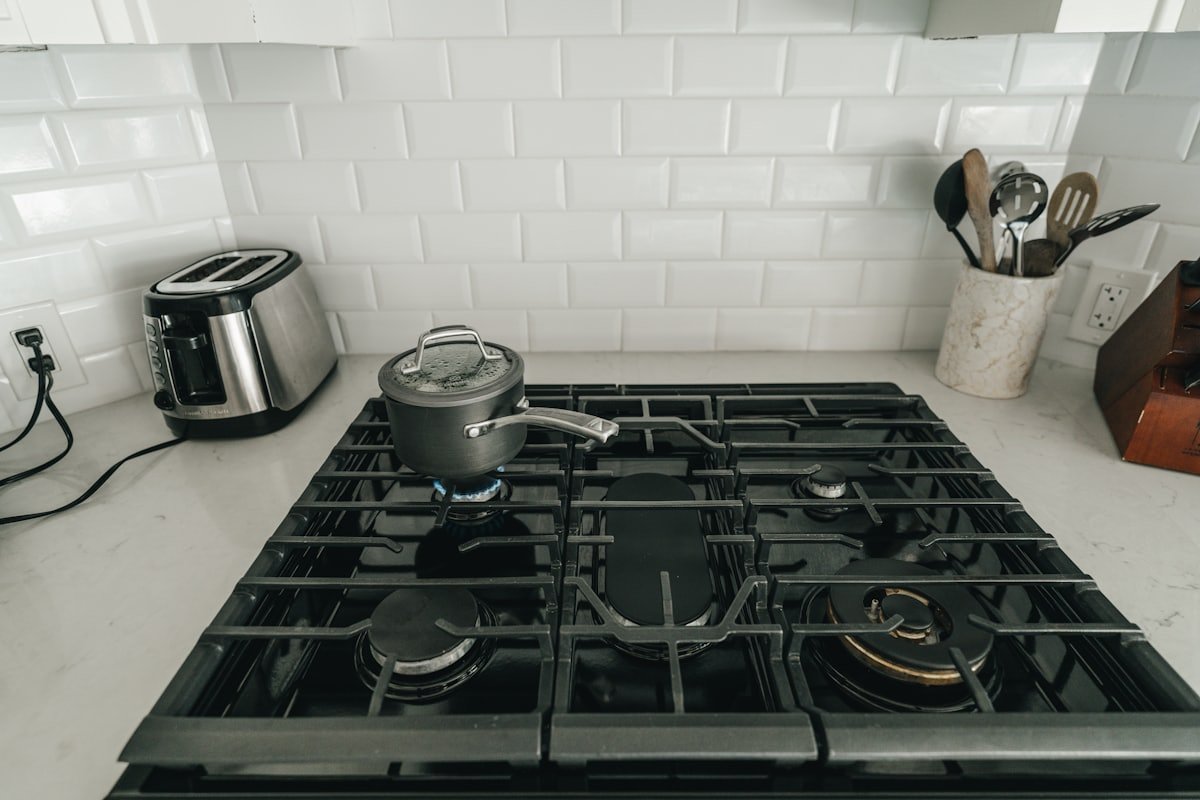
Why Does My Gas Smell? Causes and What to Do
That faint whiff of gas in the kitchen is easy to brush off. Please do not. A gas smell is your early warning system, and it is worth taking seriously every single time. The good news is that the cause is usually simple, and knowing what to do makes all the difference.
This guide explains why your gas might smell, what to do the moment you notice it, and how to find the source safely. We handle gas every day in Lagos, and these are the same steps we would tell our own family to follow.
First, what to do right now
If you smell gas, act before you investigate. Do not light a match, a lighter, or the cooker. Do not switch any electrical sockets or lights on or off, since a spark is the danger. Turn off the gas at the cylinder valve. Then open doors and windows to let the air clear. Only once the smell has gone should you look for the cause.
Why gas has a smell at all
Cooking gas is naturally odourless. That strong, rotten-egg smell is added on purpose, so you can detect a leak you would otherwise miss. In other words, the smell is a safety feature doing its job. When you notice it, your gas is simply telling you to check something. Listen to it.
A quick smell when changing the cylinder
Not every smell is an emergency. A brief whiff of gas as you disconnect or connect a cylinder is normal. A little gas escapes at the moment of changeover, then clears in seconds. If the smell fades quickly and does not return, there is nothing to worry about. It is a lingering smell that needs your attention.
A worn or loose hose
The hose is the most common source of a steady gas smell. Over time, rubber cracks, hardens, and loosens at the clips. Any of these lets gas escape slowly. Check the hose for cracks and a snug fit at both ends. If it looks tired, replace it. Our guide on replacing your hose and regulator explains when to change it.
A leaking regulator or valve
The regulator is the next place to look. A regulator that is not seated firmly, or one with a worn seal, lets gas slip out. A hiss at the connection is a clear sign. Try turning off the gas and reseating the regulator properly. If the smell or hiss continues, the regulator likely needs replacing.
A burner left slightly on
Sometimes the cause is the simplest of all. A burner knob knocked slightly open lets gas flow without a flame. It is easy to do, especially with children around. Check that every knob is fully off. Then close the cylinder valve when you finish cooking for the day, as a habit. That one habit prevents many scares.
How to find the leak safely
Once the air has cleared, the soapy water test finds most leaks in minutes. Mix a little soap and water, and brush it over the valve, regulator, and hose joints. Then watch closely. Bubbles form wherever gas is escaping. It is a simple, safe way to pinpoint the exact spot. Our cooking gas safety guide walks through the full test.
When to call a professional
Some situations call for help, not guesswork. If the smell is strong, will not clear, or returns after you have checked everything, stop. Leave the gas off, keep the area ventilated, and call a qualified technician. The same goes if you cannot find the source. There is no shame in calling for help with gas. It is the smart move.
Frequently asked questions
Is it normal to smell gas a little?
A brief whiff when changing a cylinder is normal and clears in seconds. A smell that lingers or returns is not, and should be checked.
What is the first thing to do if I smell gas?
Avoid any flame or electrical switch, turn off the gas at the cylinder, and open windows. Only look for the cause once the smell clears.
How do I find where gas is leaking?
Use the soapy water test. Brush soapy water over the joints and watch for bubbles. They appear exactly where gas is escaping.
Why do I smell gas but the test shows nothing?
It may have been a burner left slightly on, or a brief changeover smell. If it keeps returning with no clear source, call a professional.
A gas smell is nothing to panic about, but it is something to respect. Clear the air first, then check the usual suspects: the hose, the regulator, and the knobs. The soapy water test does the rest. Treat every smell as a prompt to check, and your kitchen stays safe.
If you are in Lagos and would rather have an expert look, we are happy to help. Read our troubleshooting guide for more fixes, see our services, or message us on WhatsApp.



5 Comments