Should You Turn Off Your Gas Cylinder After Cooking?
Should you turn off your gas cylinder after cooking, or is turning off the cooker enough? It is a small question that comes up often, especially when the cylinder is some distance from the kitchen and walking back to it after every meal feels inconvenient.
The simple answer is: always turn off the cooker knobs after cooking. Whether you also turn off the cylinder valve immediately after every cooking session depends on your setup, how accessible the cylinder is, and the instructions for your equipment. The important thing is to understand the difference between the two.
Turning off the cooker is essential
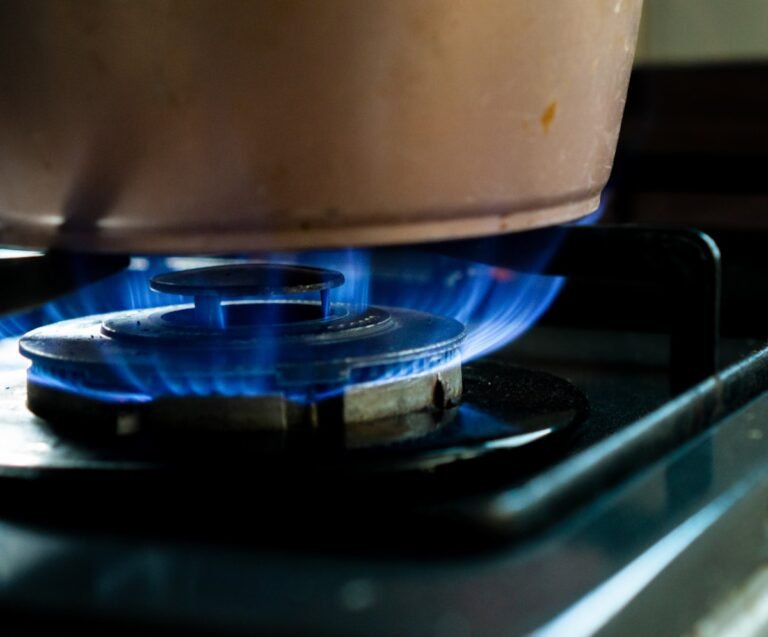
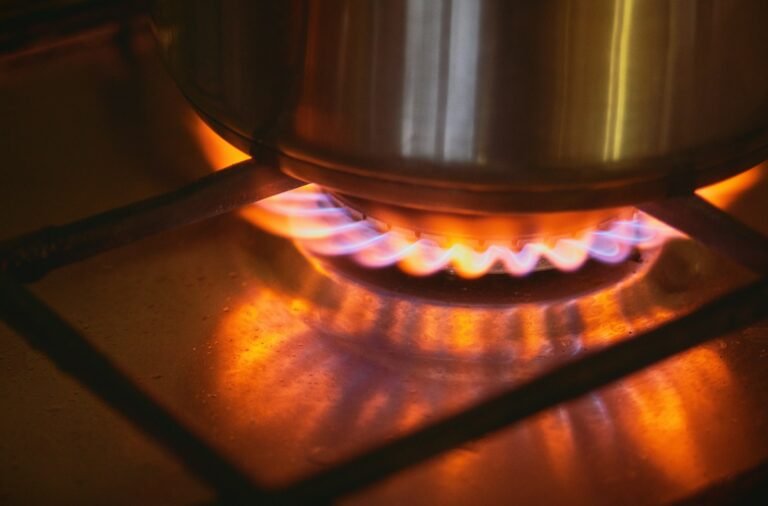
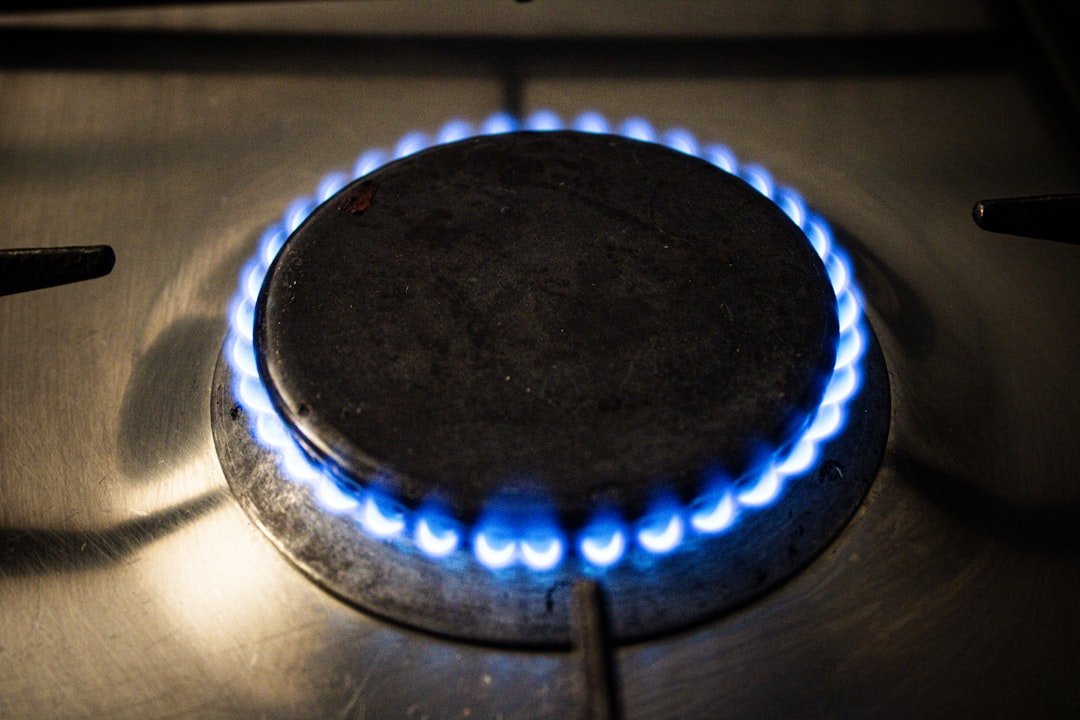
After cooking, make sure every cooker knob is properly turned off. This stops the appliance from intentionally using gas.
If your cylinder valve is readily accessible, turning it off when the gas will not be needed for an extended period—such as overnight, while you are away from home, or during a long period when the cooker will not be used—is a sensible additional precaution. Current LPG safety guidance commonly recommends keeping cylinder valves off when not in use.
Is it unsafe to leave the cylinder valve open?
Not necessarily. A properly installed and maintained LPG system is designed to supply the cooker through the regulator and hose when the appliance is being used. With the cooker knobs off, gas should not be flowing through the burners.
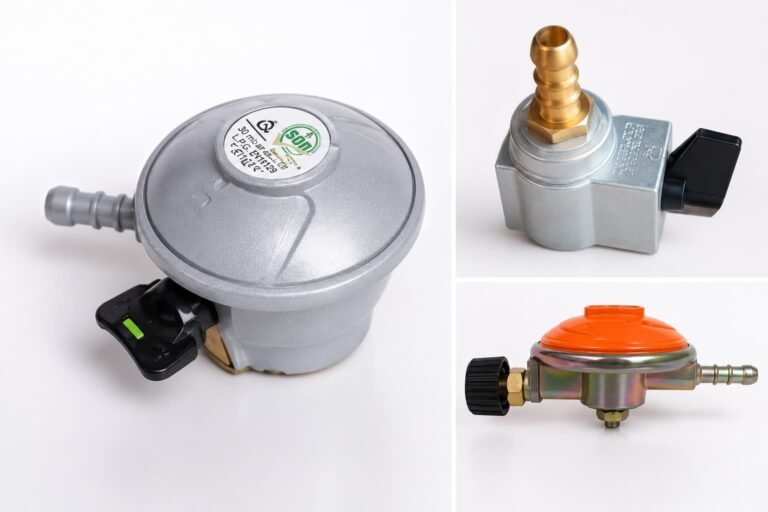
However, leaving the cylinder valve open means the regulator, hose and connections remain connected to the gas supply. If there is a fault or leak anywhere in that system, gas can escape even though the cooker itself is switched off. That is why shutting off the cylinder when the gas will not be needed for some time is a useful extra layer of protection.
What if your cylinder is far from the kitchen?
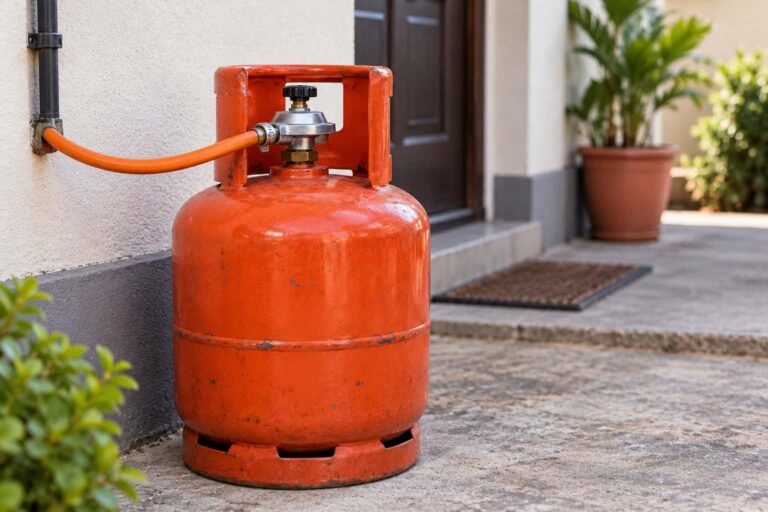
This is where common-sense matters. If your cylinder is installed some distance from the cooker, you do not need to turn this into a stressful ritual after every meal. Turn the cooker knobs off every time, and follow the installation, appliance and regulator instructions that apply to your setup.
When the cylinder is easy to reach, shutting the valve after use is a good habit. For a cylinder that is not conveniently accessible, giving particular attention to longer periods of non-use—such as overnight or before leaving home—can be a more practical routine. Your installer or equipment manufacturer may also provide specific instructions, and those should take priority.
What should you do before going to bed?
If you have finished cooking for the night and the cylinder valve is readily accessible, closing it before bed is a sensible precaution. It means the cooker is not left connected to an open gas supply while the home is sleeping.
Never leave a cooking appliance operating while you sleep. Cooking should not be left unattended, and gas appliances should be used according to their instructions with adequate ventilation.
A simple routine after cooking
- Turn off every cooker knob properly.
- If the cylinder valve is readily accessible, close it when the gas will not be needed for an extended period.
- Keep the cylinder upright, stable and properly ventilated.
- Pay attention to any gas smell, hissing or other unusual sign.
If you notice a gas smell, do not ignore it just because the cooker is switched off. Our guide on why your gas may smell and what to do explains the safe response.
Do not force a difficult cylinder valve
A cylinder valve should not require excessive force. Do not use pliers, spanners or other tools to force a valve that is stuck, unusually stiff or damaged.
If the valve is difficult to operate, leaking or behaving unusually, stop and contact your gas supplier or a competent gas professional. Do not tamper with the valve or safety fittings yourself.
What if you forget to turn the cylinder off?
Do not panic. If the cooker knobs are off and you later realise the cylinder valve remained open, there is no reason to assume a leak has occurred simply because the valve was left open. If the setup appears normal, you can close the cylinder valve when appropriate.
Should you smell gas, hear hissing or suspect a leak, treat it as a possible gas leak instead. Do not create a flame or spark to investigate. Keep away from ignition sources and follow safe gas-leak procedures.
Keep the cylinder safe even when it is turned off
Turning the valve off is only one part of LPG safety. The cylinder should remain upright, stable and properly ventilated, away from excessive heat, flames and ignition sources. It should not be hidden inside an unsuitable cabinet or enclosed space.
If you are unsure about where your cylinder should stay, see our guide to the safest place to keep a gas cylinder at home.
Frequently asked questions
Should I turn off my gas cylinder after every meal?
You should always turn off the cooker knobs after cooking. If the cylinder valve is readily accessible, closing it after use is a sensible habit. For cylinders that are far from the kitchen, follow your equipment and installation instructions and consider closing the valve for longer periods when the gas will not be needed.
Is it okay to leave the cylinder valve open while the cooker is off?
A correctly installed and maintained system is not automatically unsafe simply because the cylinder valve remains open while the cooker knobs are off. However, the gas supply remains available to the regulator, hose and connections, so shutting the cylinder when it will not be needed for an extended period provides an additional safety measure.
Should I turn off the cylinder before going to bed?
If the cylinder is readily accessible and the cooker will not be used overnight, turning the cylinder valve off is a sensible precaution. Never leave the cooker operating while you sleep.
Should I force a gas cylinder valve that is stuck?
No. Do not use tools to force it. Contact your gas supplier or a competent gas professional.
What if I smell gas after turning the cooker off?
Treat it as a possible leak. Avoid flames, sparks and electrical switching, and if it is safe to do so shut off the gas supply and ventilate the area. Get professional or emergency assistance if you cannot safely control the situation.
The goal is safe, practical habits
Good LPG safety does not have to mean creating an impractical routine. Turn off the cooker knobs every time, keep your equipment in good condition, and close the cylinder valve when it is readily accessible and the gas will not be needed for an extended period. For cylinders that are far from the kitchen, follow the instructions for your particular installation rather than taking unnecessary risks to reach the valve after every meal.
At JP GasPoint, we want every refill to come with confidence. If you need a cooking gas refill, cylinder, regulator or other LPG accessories, we are available to help.