Can a Gas Cylinder Explode? What LPG Users Should Know
It is a question many LPG users have asked at some point: can a gas cylinder actually explode? The short answer is that an LPG cylinder is not supposed to explode during normal use, but LPG can create a serious fire or explosion hazard when gas escapes, accumulates and meets an ignition source.
The good news is that most household risks can be reduced with sensible storage, proper equipment and careful handling. Understanding what creates the danger is much more useful than simply being afraid of the cylinder.
What Actually Makes LPG Dangerous?
LPG is highly flammable. If gas escapes from a cylinder, regulator, hose or connection and collects in an enclosed or poorly ventilated space, a spark, flame or other ignition source can ignite the mixture.
LPG is also heavier than air, so leaked gas can collect in low areas rather than simply disappearing. That is why ventilation and prompt action after a suspected leak matter so much.
Can the Cylinder Itself Explode?
A properly maintained cylinder used within its intended conditions is designed to contain LPG safely. The bigger everyday concern for a household is usually a gas leak, damaged equipment, excessive heat or incorrect handling rather than a cylinder suddenly exploding for no reason.
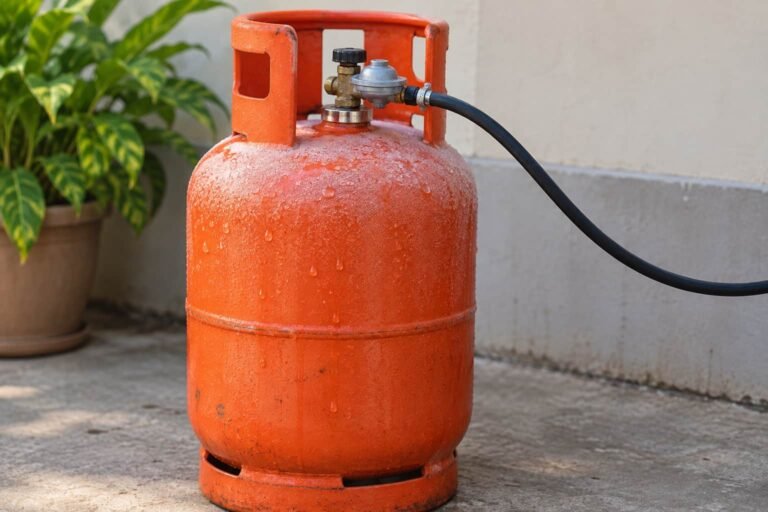
However, cylinders should still be treated as pressure vessels. Severe heat exposure, serious physical damage, defective valves or other abnormal conditions can create dangerous situations. This is why damaged or badly deteriorated cylinders should not be kept in service simply because they still appear to hold gas.
Where Should You Keep an LPG Cylinder?
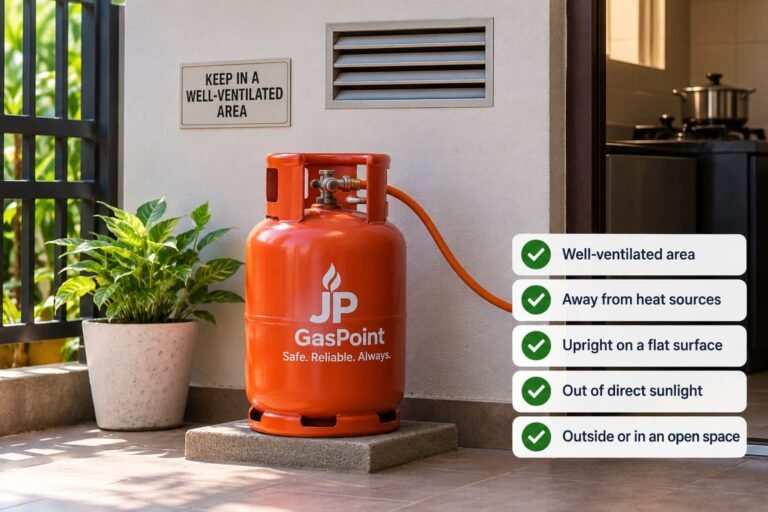
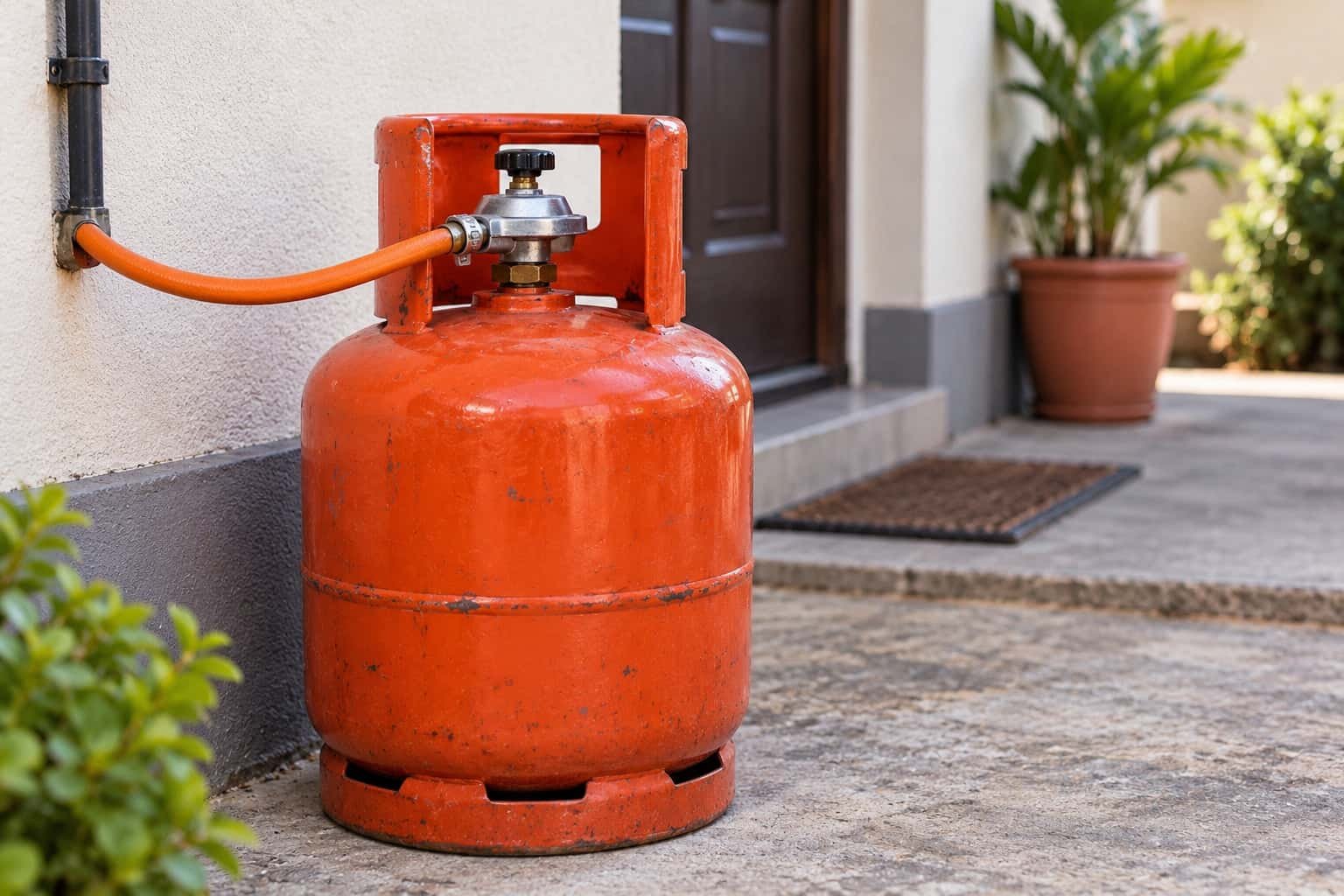
Keep the cylinder upright, stable and in a suitable, well-ventilated location. It should be protected from unnecessary heat and ignition sources and should not be placed where it can easily be knocked over or damaged.
A cylinder should not be hidden inside a sealed cabinet or another enclosed space where leaked LPG could accumulate. The exact installation should follow the cylinder, appliance and local safety requirements.
For more detail, see our guide on where to keep a gas cylinder safely at home.
The Cylinder Is Only One Part of the System
Safe LPG use depends on the entire setup. The regulator must be suitable for the cylinder and appliance, the hose should be designed for LPG and kept in good condition, and connections should be secure.
Check equipment regularly for visible damage, deterioration or signs of leaking. If you notice a gas smell, do not assume the cylinder itself is the problem. The leak could come from a valve, regulator, hose or connection.
Our guides on choosing the right gas regulator and choosing the right gas hose explain these parts in more detail.
What Should You Do If You Smell Gas?
Treat a strong or unexplained LPG smell as a possible leak. If it is safe to do so, turn off the gas supply. Avoid smoking, flames, electrical sparks and other ignition sources, and do not use a flame to search for the leak.
Ventilate the area where this can be done safely without operating electrical switches or creating another ignition source. If the smell persists, the source cannot be safely identified, or you are unsure what to do, leave the area and contact a competent LPG professional or emergency service as appropriate.
You can also read our guide on what to do when your gas smells.
What About Heat and Fire?
Keep LPG cylinders away from unnecessary heat and direct exposure to flames. If a cylinder is exposed to a serious fire, do not approach it just because the cylinder still looks intact. Move away and let trained responders handle the situation.
Do not try to cool or move a cylinder that is being dangerously heated unless you have the training, equipment and a safe way to do so. Your priority should be getting people away from the danger.
Simple Ways to Reduce the Risk
- Keep the cylinder upright and stable.
- Use a suitable regulator, LPG-rated hose and compatible cooker.
- Keep the cylinder and connections away from unnecessary heat and ignition sources.
- Do not use a cylinder or fitting that is visibly damaged or leaking.
- Keep the area around the cylinder adequately ventilated.
- Have persistent equipment problems checked by a competent LPG professional.
- Know what to do if you smell gas and never test for a leak with a flame.
Frequently Asked Questions
Can an LPG cylinder explode in normal household use?
A properly maintained cylinder should not simply explode during normal use. The major household risks usually involve leaks, ignition, severe heat, damaged equipment or unsafe handling.
Is it safe to keep an LPG cylinder indoors?
Household LPG installations must follow applicable safety requirements and provide appropriate ventilation and equipment. Avoid placing a cylinder in a sealed cabinet or poorly ventilated enclosure. If you are unsure about your setup, have it assessed by a competent professional.
Can a gas cylinder explode from sunlight?
Direct heat exposure is something you should avoid. Keep the cylinder away from unnecessary heat and follow the manufacturer’s and applicable safety guidance for its placement.
What is more dangerous: the cylinder or a gas leak?
A gas leak can become dangerous quickly if escaped LPG accumulates and reaches an ignition source. That is why keeping the whole system in good condition and responding correctly to a gas smell is so important.
Final Thoughts
An LPG cylinder deserves respect, but it does not need to be feared. When you use an appropriate cylinder and equipment, keep the setup ventilated, protect it from unnecessary heat and deal with leaks promptly, you remove many of the conditions that can turn LPG into a serious hazard.
At JP GasPoint, we help customers around Bucknor and Community Road, Ago Palace with properly weighed LPG refills and practical guidance on safe gas equipment. If you need help with your cylinder or gas setup, contact us and we will be happy to help.