Why Is My Gas Burner Making a Popping Noise?
A gas burner should normally produce a steady, even flame. So when you hear a sudden pop, click or small bang while cooking, it is understandable to wonder whether something is wrong.
Sometimes a popping sound comes from a dirty or poorly positioned burner. In other cases, it can point to a problem with the gas supply, air and gas mixture, ignition system or burner itself. Knowing what to check can help you decide when a simple cleaning is enough and when you should stop using the cooker.
What Causes a Gas Burner to Make a Popping Noise?
A popping sound usually means the gas-air mixture is not burning as smoothly as it should. Several things can cause that, and the sound alone does not tell you exactly which one is responsible.
Common causes include food or grease blocking burner ports, a burner cap that is not seated correctly, moisture around the burner, an unsuitable gas pressure or a problem with the air-to-gas mixture. A faulty ignition system can also cause repeated clicking or delayed ignition.
Start With the Burner
If the popping started after cooking spilled food or after cleaning the cooker, check the burner first. Food residue, grease and moisture can interfere with the small openings where the gas and flame come through.
Turn the cooker off and allow it to cool completely. Once it is safe to handle, remove the burner cap and clean away visible dirt or residue. Make sure the burner parts sit correctly when you put them back.
Do not enlarge burner openings or improvise repairs with wire or other objects. If the ports remain blocked after normal cleaning, have the burner checked by someone competent to work on gas appliances.
Check the Burner Cap and Position
A burner cap that sits slightly out of position can disturb the flame and create an uneven burn. After cleaning, make sure the cap sits flat and matches the burner underneath it.
If the cap looks damaged, warped or cracked, do not keep using it simply because the burner still lights. A damaged burner component can affect how the gas burns and may need replacement.
Could the Gas Pressure Be the Problem?
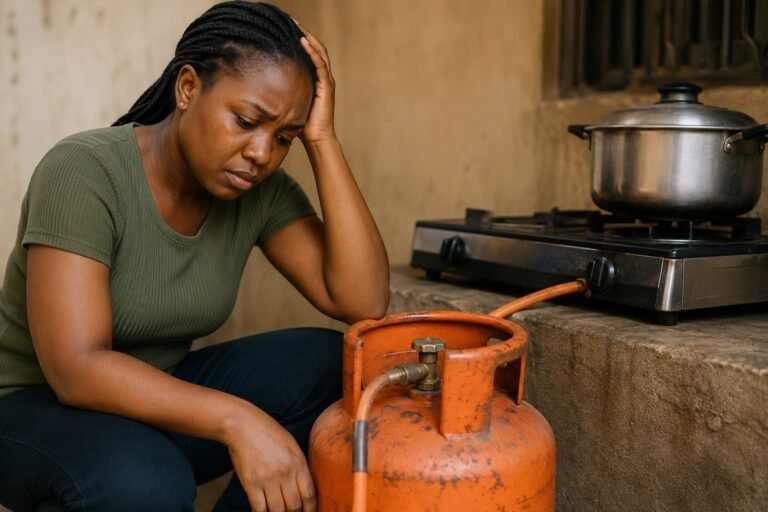
Yes. The regulator helps control the pressure reaching the cooker, so an unsuitable or faulty regulator can affect burner performance. If several burners suddenly behave differently, especially after changing the cylinder or regulator, the gas supply deserves attention.
Do not try to increase or reduce gas pressure by adjusting parts you do not understand. If you suspect the regulator or gas supply, have the setup checked by a qualified gas professional or a competent LPG technician.
If you are unsure whether your regulator is suitable, our guide on how to choose the right gas regulator explains the main things to consider.
Pay Attention to the Flame
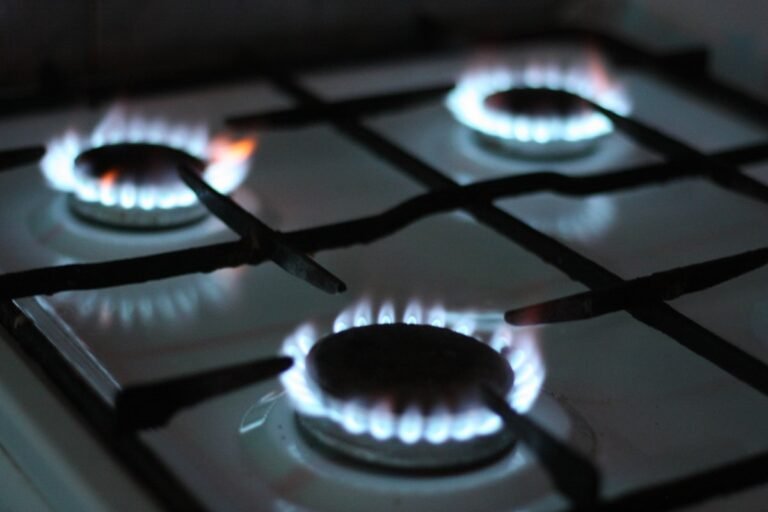
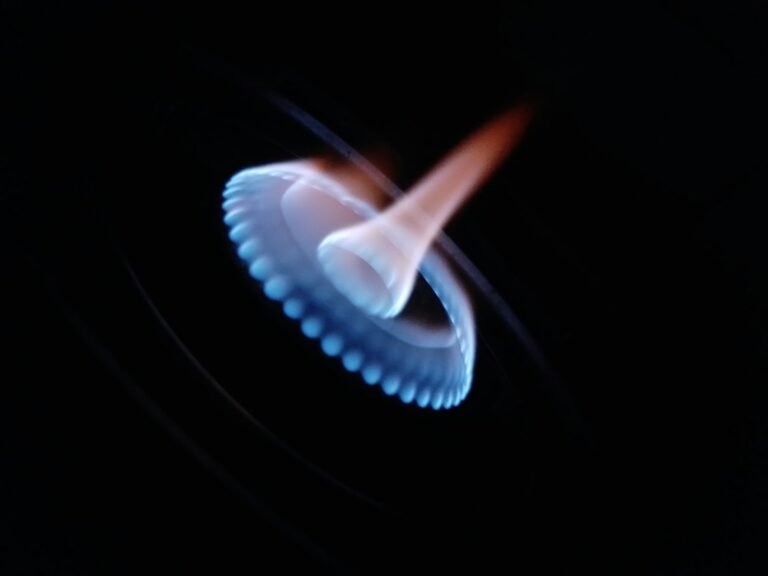
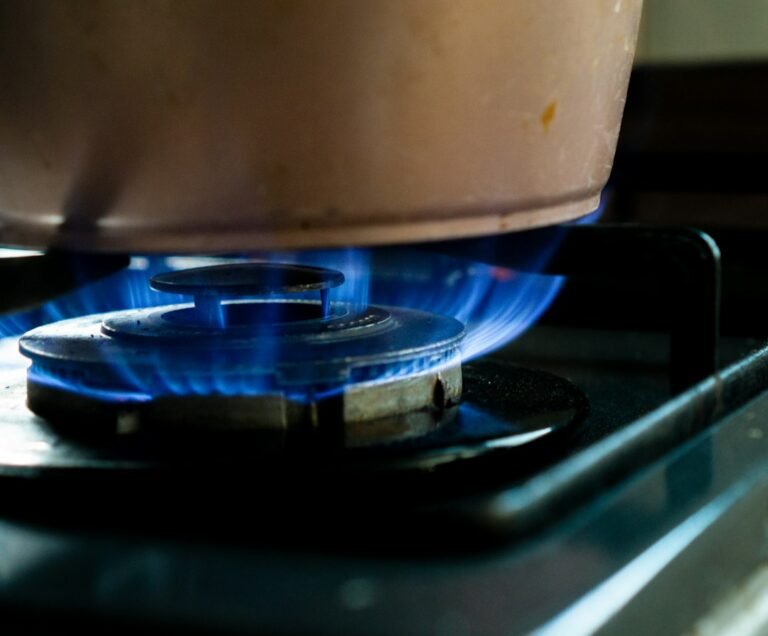
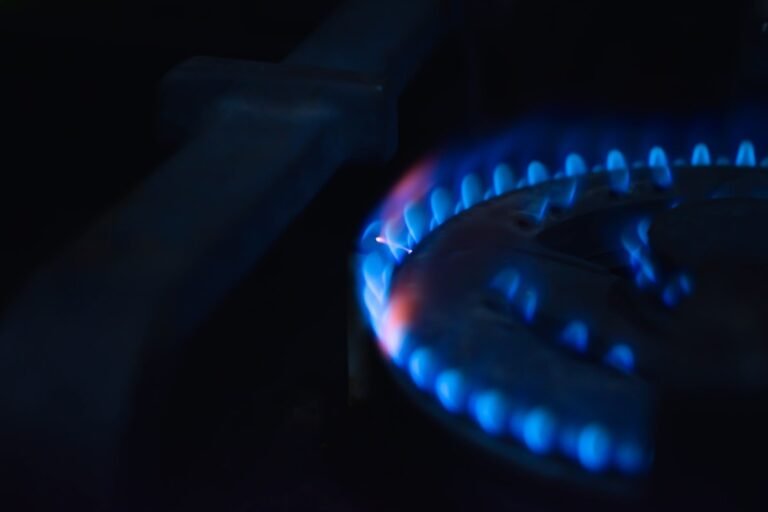
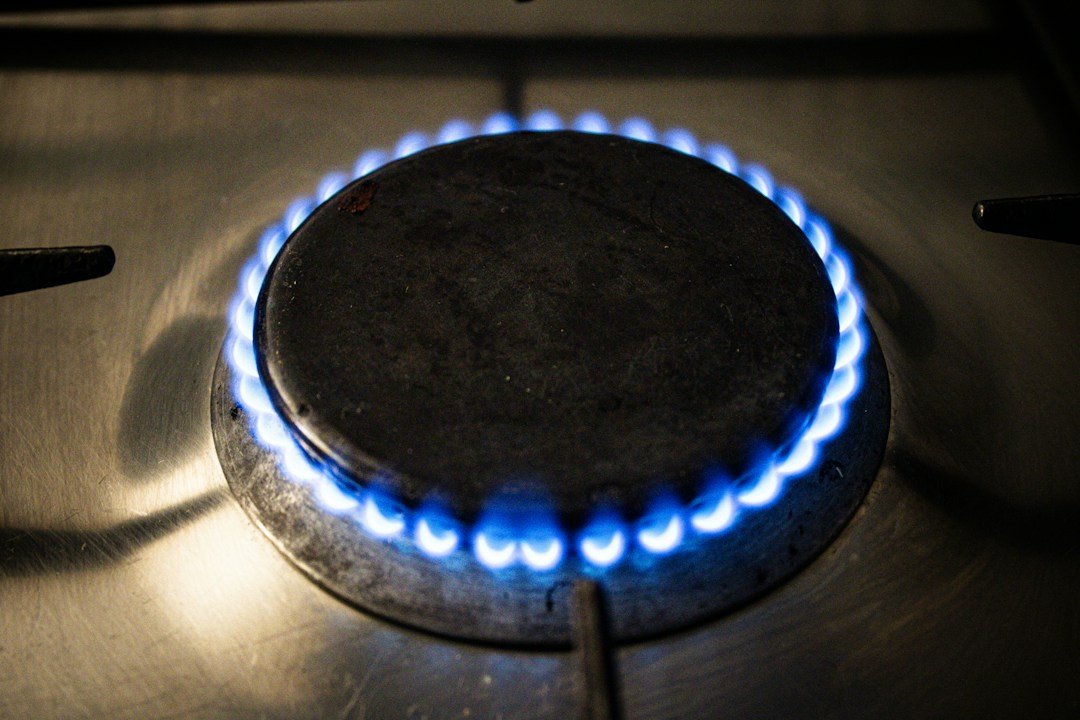
The flame can give you useful clues. A healthy LPG cooker flame should generally burn steadily rather than repeatedly lifting, going out, flashing back or producing unusual colours.
If the popping comes with a yellow or orange flame, black soot on your cookware or an unusual flame pattern, do not ignore it. Poor combustion can have safety implications, so the appliance should be checked rather than repeatedly used in the same condition.
You can also read our guide on why a gas flame can turn yellow instead of blue for more guidance.
When Should You Stop Using the Cooker?
Stop using the burner and arrange a professional inspection if the popping is loud or persistent, the flame keeps going out, you smell gas, you see flames where they should not be, or the cooker shows signs of damage.
If you smell LPG, treat it as a possible leak. Turn off the gas supply if you can do so safely, avoid flames and other ignition sources, and do not use a flame to look for the leak. If the smell continues or you cannot safely identify the problem, leave the area and seek professional help.
Our guide on what to do when your gas smells covers the important steps in more detail.
A Simple Checklist
- Turn the cooker off and let the burner cool before checking it.
- Clean away food, grease and visible residue.
- Make sure the burner cap sits correctly.
- Watch for yellow flames, soot, repeated flame-outs or unusual flame behaviour.
- Have the regulator, gas pressure or cooker inspected if the problem continues.
- Stop using the cooker and seek help if you smell gas or see an unsafe flame.
Frequently Asked Questions
Is a popping gas burner dangerous?
Not every pop means there is an emergency, but a repeated or unexplained popping sound deserves attention. If it comes with an abnormal flame, gas smell, flame-out or other unusual behaviour, stop using the cooker and have it checked.
Can a dirty burner cause popping?
Yes. Food, grease and residue can obstruct burner ports and disturb the gas-air mixture. Cleaning the burner after it has cooled may solve a minor problem, provided the burner remains in good condition.
Why does my gas cooker pop when I turn it off?
A small sound as a burner extinguishes can sometimes occur as the remaining gas-air mixture finishes burning. If the sound is loud, happens repeatedly or comes with unusual flame behaviour, have the appliance inspected.
Can a regulator cause a gas burner to pop?
It can contribute to abnormal burner performance if the regulator is unsuitable, faulty or supplying the wrong pressure. If the problem affects more than one burner or began after a regulator change, get the gas setup checked.
Final Thoughts
A popping burner is often a small warning that something in the burner, gas supply or combustion process needs attention. Start with simple checks such as cleaning the cooled burner and confirming that the burner cap sits correctly, but do not keep using a cooker that shows signs of a gas leak or unsafe flame.
At JP GasPoint, we help customers around Bucknor and Community Road, Ago Palace with properly weighed LPG refills and practical guidance on safe gas equipment. If you need help with your gas setup or refill, contact us and we will be happy to help.