Common Myths About Cooking Gas in Nigeria
Cooking gas carries more myths than almost anything else in a Nigerian kitchen. Some people avoid it entirely because of a story they heard. Others follow habits that make no real difference, while missing the ones that actually matter. Let us clear up the most common myths about cooking gas, one by one.
We handle gas every day in Lagos, so we hear these myths often, sometimes from worried first-time users, sometimes from people who have used gas for years. Here is the truth behind each one.
Myth: Gas cylinders explode easily
This is the fear that keeps many people away from gas altogether, and it is overstated. A well-maintained cylinder, with a sound hose and regulator, is built to handle normal use safely for years. Genuine incidents almost always trace back to a specific, avoidable cause: a bad leak left unchecked, worn equipment, or extreme heat. Our cooking gas safety guide covers the handling habits that keep risk very low.
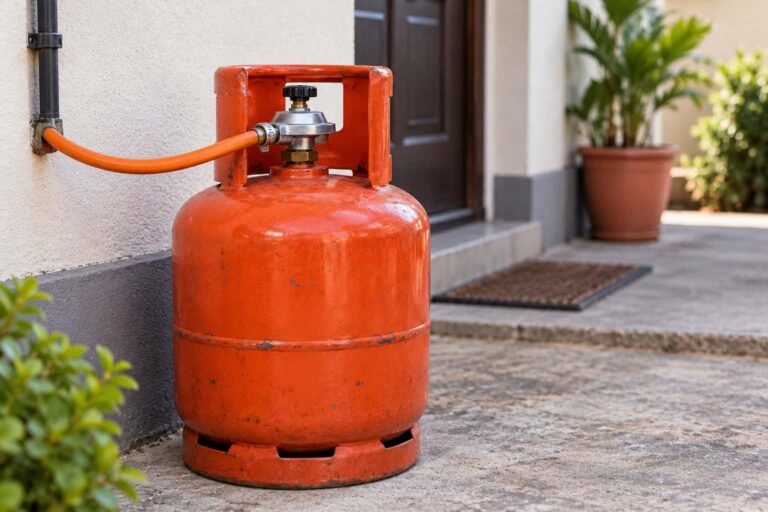
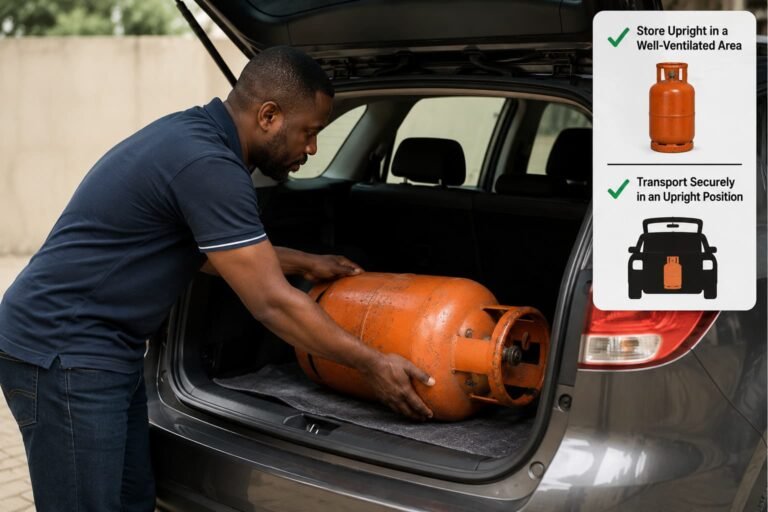
Myth: You must keep the cylinder outside the house
A cylinder does not need to live in the yard. It needs to be upright and ventilated, which most kitchens easily provide. What actually matters is avoiding a sealed cupboard with no airflow, not the cylinder being indoors at all. Our storage and transport guide explains exactly what a safe spot looks like.
Myth: Gas is always more expensive than kerosene or charcoal
The sticker price on a refill can look higher than a small kerosene top-up, so this myth is understandable. But gas burns far more efficiently, wasting little heat, so it often works out cheaper per meal once you account for how much of each fuel actually gets used. Our fuel comparison guide breaks this down properly.
Myth: A gas smell always means a dangerous leak
Not every whiff of gas is an emergency. A brief smell when connecting or disconnecting a cylinder is completely normal and clears within seconds. What matters is a smell that lingers or returns, which does need checking. Our guide on gas smells explains how to tell the two apart.
Myth: Bigger cylinders are always better value
A 12.5kg often costs less per kilogram than a 6kg, so bigger can be smarter for a household that cooks daily. But it is not automatic. For someone who cooks lightly, gas can sit for months, and a smaller cylinder may suit their kitchen and budget better on the day. Our size comparison guide helps you match the size to your actual cooking.
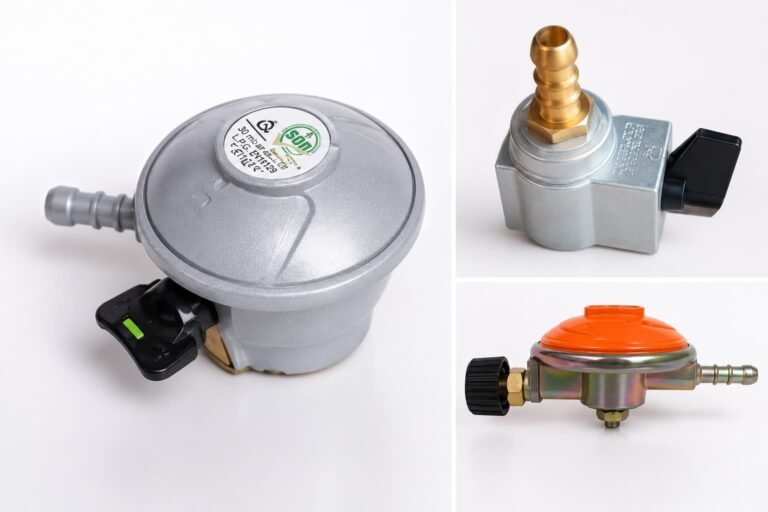
Myth: Any regulator or hose will do
This one is genuinely risky, not just inaccurate. A regulator must match your cylinder’s valve type, and a proper LPG-rated hose is not interchangeable with any random tube. Cheap, unmatched, or counterfeit parts are one of the real causes of leaks. Our equipment guide explains what genuine parts should look like.
Myth: A yellow flame is just a cosmetic issue
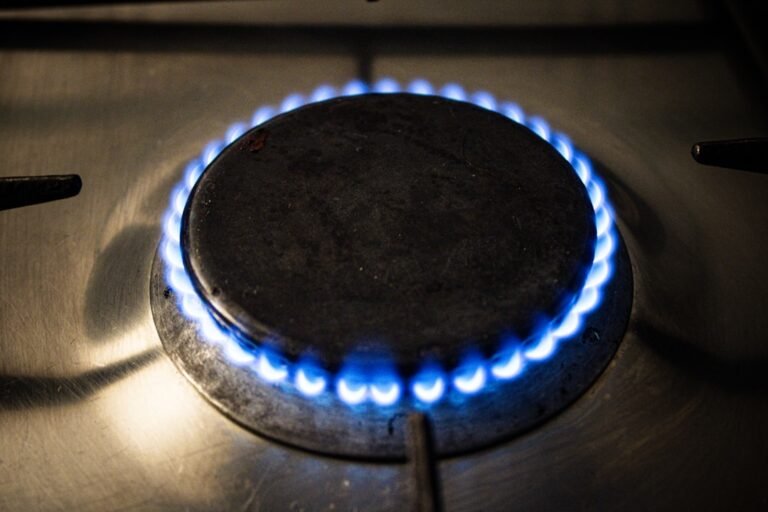
A yellow flame is not simply an appearance quirk. It usually signals dirty or blocked burner ports, which burn gas less efficiently and waste money on every meal. It is worth fixing, not ignoring. Our cooker maintenance guide shows how to clean it back to a healthy blue.
Myth: Gas businesses are all the same, so price is all that matters
Vendors vary enormously in honesty and reliability, even at similar prices. A vendor who weighs your gas openly and shows up when promised is worth more than a slightly cheaper one who does not. Our guide to choosing a vendor covers what actually separates a good one.
The pattern behind most gas myths
Most myths about cooking gas share the same root. They swap a specific, manageable risk, a worn hose, a bad connection, counterfeit parts, for a vague, general fear of gas itself. Once you know the real, specific things to check, gas stops feeling unpredictable and starts feeling exactly as manageable as it actually is.
Frequently asked questions
Is cooking gas really as dangerous as people say?
No, not when handled well. Good equipment, regular checks, and a few simple habits make gas very manageable in daily use.
Why do so many myths surround gas in Nigeria?
Stories about accidents travel fast and often lose their specific details along the way, leaving behind a general fear rather than the actual, avoidable cause.
What is the one myth that matters most to correct?
That any regulator or hose will do. Mismatched or fake parts are a genuine, common cause of leaks, so this is the myth worth taking most seriously.
Cooking gas deserves respect, not fear. Once you separate the real risks from the inherited myths, gas becomes simply another safe, everyday part of running a kitchen. Check your equipment, learn the real warning signs, and the rest takes care of itself.
If you are in Lagos and have a gas question we have not covered, we are happy to help. See our services, read our cooking gas safety guide, or message us on WhatsApp.