Cooking Gas for Small Food Businesses: What You Need to Know
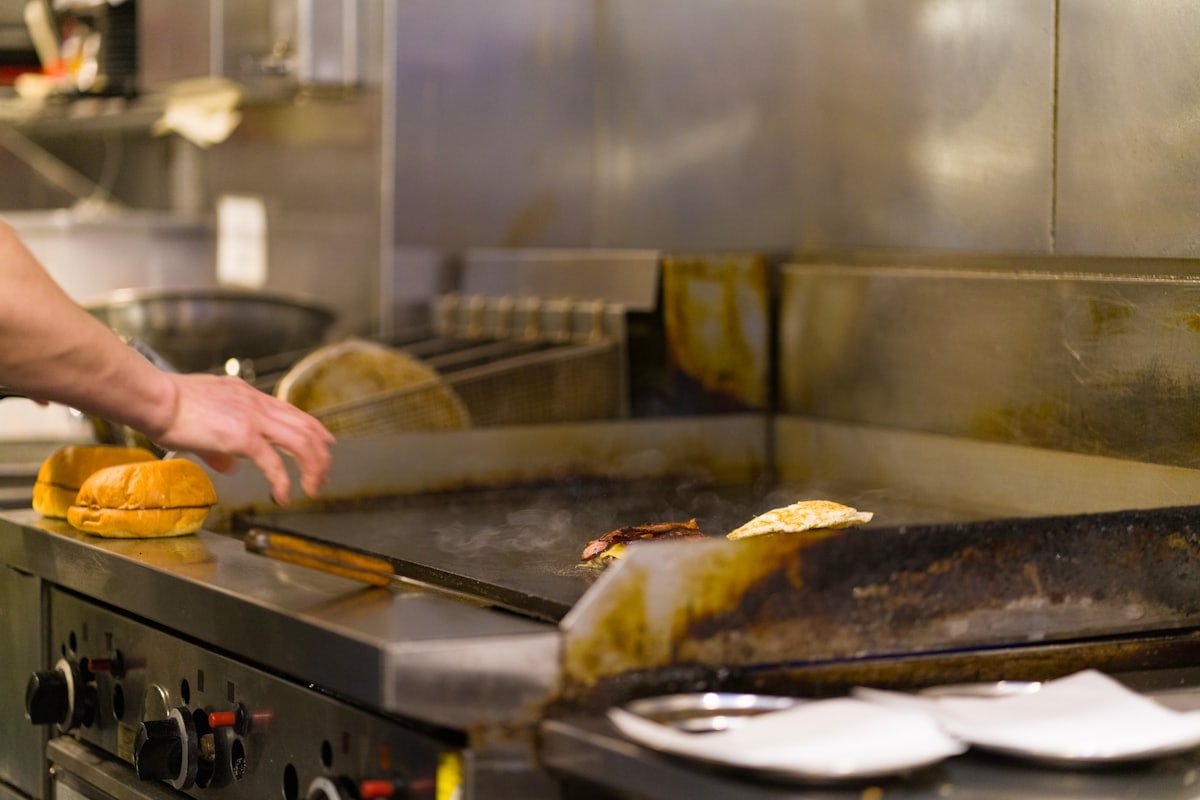
A buka, a small restaurant, a suya spot, a bread or pastry business, they all share one thing in common. Gas is not a convenience for them, it is the engine of the business. When it runs out mid-service, orders stop and customers walk. Cooking gas for small food businesses deserves a different kind of planning than a household kitchen.
We supply several food businesses across Lagos, so we see this pressure up close. Here is what matters most when gas is part of your income, not just your dinner.
Volume changes everything
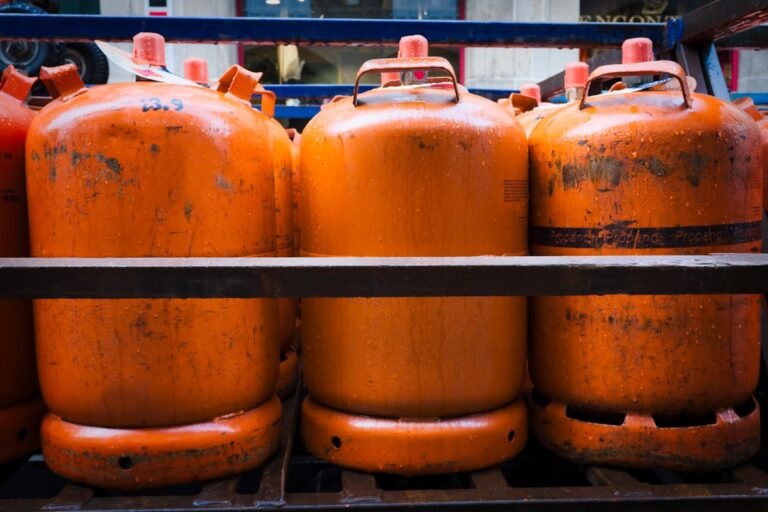
A household refills every few weeks. A busy food business can burn through a cylinder in days. That changes the maths entirely. Larger cylinders, or several cylinders in rotation, usually make more sense than frequent small refills. Fewer, bigger orders also tend to bring a better price per kilogram. Our cylinder size guide explains the value logic, which applies even more at business volume.
Never run on a single cylinder
For a household, running out mid-meal is annoying. For a food business, it is lost revenue and a queue of unhappy customers. Keep a spare cylinder on standby at all times, connected or ready to swap in seconds. The moment one runs low, order the next refill immediately rather than waiting until it is empty. A business that never stops cooking needs gas that never fully runs out.
Commercial-grade equipment earns its cost
Domestic burners are not built for hours of continuous heavy use. A commercial-grade burner, regulator, and hose cost more upfront, but they hold up far better under daily strain, and they fail less often at the worst possible moment. Our equipment guide covers what to look for, and it matters even more when your equipment works this hard.
Safety checks cannot slip
A household might check its hose occasionally. A business running gas for hours a day, every day, needs a set routine. Check hoses and connections weekly, not whenever you remember. Keep a fire extinguisher within easy reach, and make sure every staff member knows where it is and how to use it. Our cooking gas safety guide and hose and regulator guide are worth reviewing with your whole team, not just yourself.
Ventilation matters more at this scale
Hours of continuous cooking generate far more heat, steam, and fumes than a home meal. A commercial cooking space needs proper, ongoing airflow, not just a cracked window. If your kitchen feels consistently hot, stuffy, or smoky, that is worth fixing, both for comfort and for safety.
Find a supplier who understands your rhythm
A business needs a vendor who delivers reliably and on schedule, not one who treats you like an occasional customer. Ask about business rates for regular, high-volume orders, and set up a standing arrangement rather than calling fresh each time. Our guide to choosing a vendor applies just as much here, arguably more, since your income depends on it.
Track your gas cost per plate
Gas is a real input cost, and it belongs in your pricing, the same as ingredients. Track roughly how much gas a typical cooking day uses, then divide that across what you sell. It sharpens your pricing, and it makes any leak or waste visible fast, since your usual number will shift if something changes.
Your food business gas checklist
- Buy in a size and volume that suits daily heavy use.
- Always keep a spare cylinder ready to swap in.
- Invest in commercial-grade burners and connections.
- Check hoses and joints weekly, on a set schedule.
- Keep the kitchen properly ventilated throughout service.
- Set up a reliable vendor relationship, not one-off orders.
Frequently asked questions
How much gas does a small restaurant use?
It varies widely with your menu and volume. Track your own usage over a few weeks to find your true rate, rather than relying on someone else’s number.
Should a food business use domestic or commercial burners?
Commercial-grade equipment is worth it for daily heavy use. It costs more upfront but holds up better under sustained cooking hours.
Is it worth keeping a backup cylinder?
Yes, strongly. A backup ready to swap in prevents lost service and unhappy customers when the main cylinder runs dry mid-shift.
Can I negotiate business pricing with a gas vendor?
Often, yes. Regular, high-volume orders are valuable to a vendor, so it is reasonable to ask about a standing arrangement or better rate.
Running gas for a food business is a different game from running it for a household. Plan for volume, never let yourself run dry, invest in equipment that can take the strain, and build a vendor relationship you can count on. Get that right, and gas becomes one less thing to worry about.
If you run a food business in Lagos, we supply and deliver at business volume, reliably and on schedule. See our services, read our delivery guide, or message us on WhatsApp to set up a standing order.