
Cooking Gas and the Rainy Season: What to Watch For
Rainy season brings its own set of small hazards to a gas kitchen, different from the dry harmattan months but just as worth knowing. Damp air, wet floors, and the occasional flooded yard all interact with your gas setup in ways worth a little extra care. None of it is dramatic, but a few adjustments keep the season trouble-free.
We see the same handful of rainy-season issues every year in Lagos. Here is what to watch for, and how to stay ahead of it.
Rust moves faster in the wet
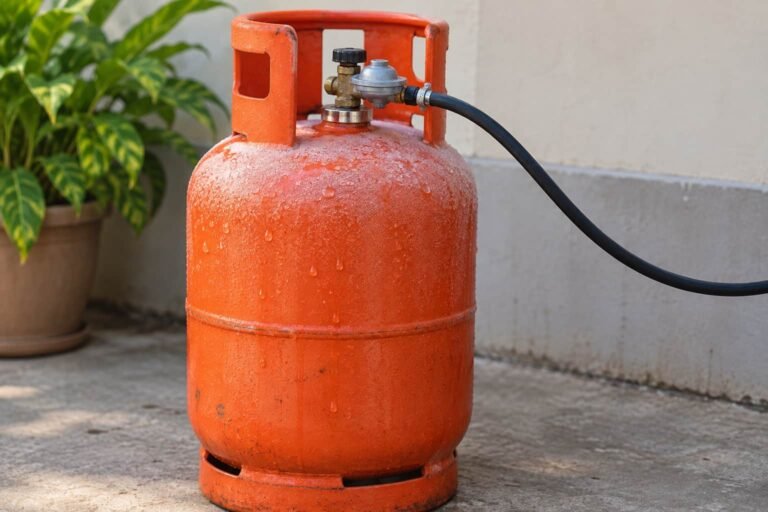
Moisture is rust’s best friend, and rainy season brings plenty of it. A cylinder standing in a puddle, or on a permanently damp floor, rusts far quicker than one kept dry. Raise your cylinder off a wet floor with a simple stand or a board, and wipe it dry if it gets rained on. Our cylinder safety guide shows what rust damage to watch for.
Watch for flooding around low-lying setups
If your cylinder sits low, near a door, a drain, or a yard prone to flooding, heavy rain can bring water right up to it. Standing water around the base speeds up corrosion and can make the area unsafe to stand on. If your area floods, move the cylinder to higher, drier ground before the rains set in, not after the water arrives.
Damp connections deserve a closer look
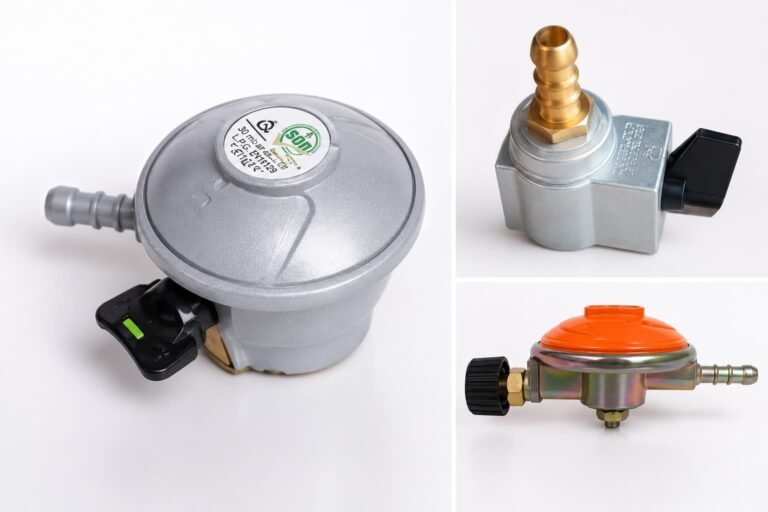
Persistent damp around the valve, regulator, or hose connections can accelerate wear over a season. It is worth wiping these dry after heavy rain and giving them a visual check a little more often than usual. Our hose and regulator guide covers the warning signs that mean it is time to replace a part.
Watch your footing near the cooker
Rainy season means wet feet, tracked-in water, and slippery kitchen floors. A slip near a hot pot or an open flame is a real risk that has nothing to do with the gas itself, but everything to do with the season. Keep the floor around your cooking area dry, and mop up puddles from wet shoes or dripping umbrellas before they become a hazard.
Ventilation still matters, rain or not
It is tempting to seal up every window during a downpour, but a completely closed kitchen loses the airflow that keeps any escaping gas from gathering. Crack a window under cover, or use an extractor fan if you have one, so the room stays ventilated even while it is raining outside.
Delivery days can be trickier
Heavy rain slows down roads and deliveries, so it pays to refill a little earlier than you normally would during the wet months. Do not wait until the cylinder is bone dry before ordering, since a downpour on the day you need gas most is exactly when deliveries can run late. Our delivery guide covers how ordering ahead works.
After the rains, check everything once
Once the heaviest rains ease, give your whole setup a proper look. Check the cylinder for any new rust, inspect the hose and regulator, and run the soapy water leak test on the joints. A quick end-of-season check catches anything the damp months may have quietly worn down. Our cooker maintenance guide covers the burner side of this check.
Your rainy season gas checklist
- Raise the cylinder off a wet or flood-prone floor.
- Wipe damp connections dry, and check them a little more often.
- Keep the floor around your cooker dry and slip-free.
- Keep some ventilation even during heavy rain.
- Order refills a little earlier during the wet months.
- Give your setup a full check once the rains ease.
Frequently asked questions
Does rain make a gas cylinder unsafe?
Rain itself is not dangerous to a cylinder, but standing water and prolonged damp can speed up rust over time. Keeping it dry and off wet ground is the simple fix.
Should I bring my cylinder indoors during heavy rain?
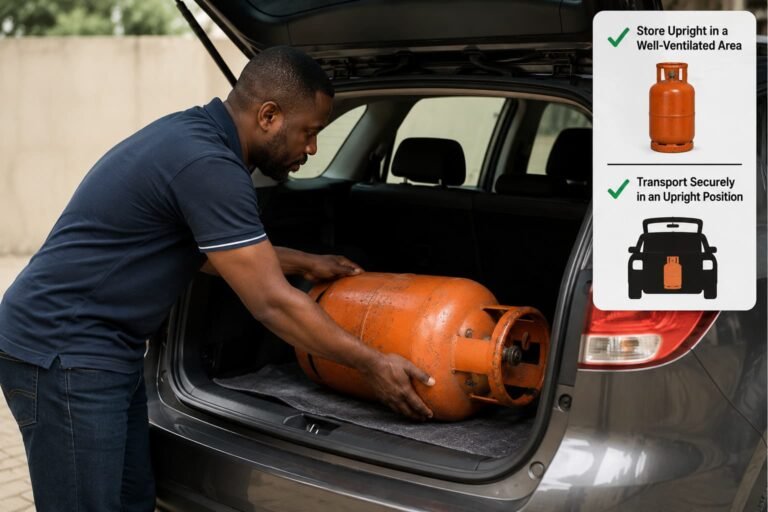
If it normally sits somewhere exposed to flooding, moving it to higher, sheltered ground is sensible. It still needs to stay upright and ventilated wherever it goes.
Why does my kitchen floor feel more dangerous in rainy season?
Tracked-in rainwater makes floors slippery near a hot cooker, which is a real hazard on its own. Keeping the area dry and mopped removes most of that risk.
Rainy season does not change the fundamentals of using gas safely, it just adds a few things worth watching. Keep your cylinder dry and off the floor, check your connections a little more often, and order ahead of the rains. Do that, and the season passes without any gas-related surprises.
If you are in Lagos, we deliver reliably through the rains and can check your setup any time. Read our cooking gas safety guide for the full basics, see our services, or message us on WhatsApp.