How to Handle a Small Kitchen Fire Safely
Most kitchen fires start small. A pan of oil catches, a cloth brushes a flame, a pot boils over onto a burner. What happens in the next ten seconds matters more than anything else. Knowing how to handle a small kitchen fire calmly, rather than panicking, is what keeps a scare from becoming a disaster.
This is not about frightening you. It is about having a clear plan before you ever need it, so your hands know what to do even if your mind goes blank for a second. Here is exactly what to do, and what never to do.
Turn off the gas first, if you can reach it safely
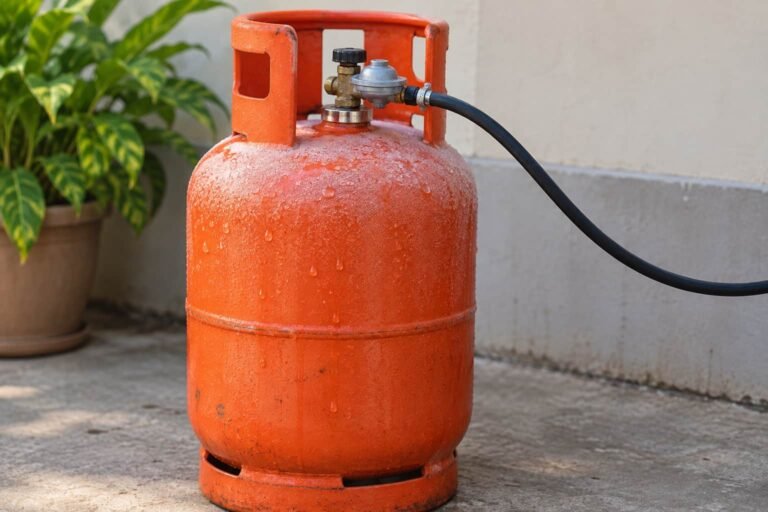
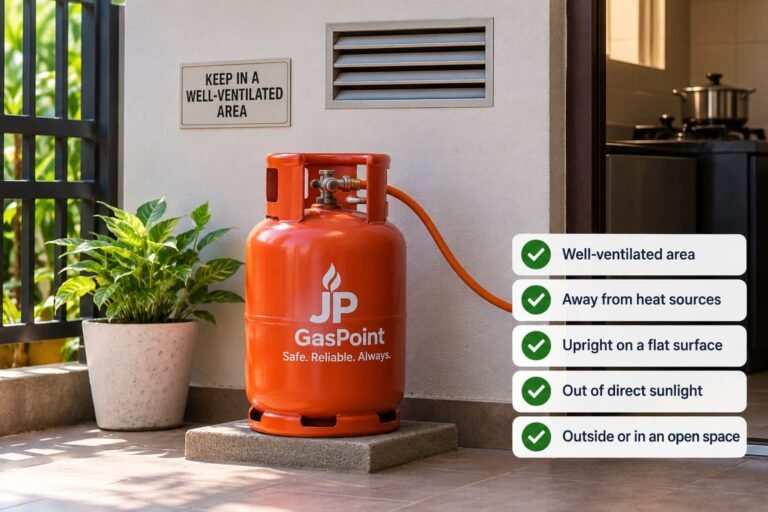
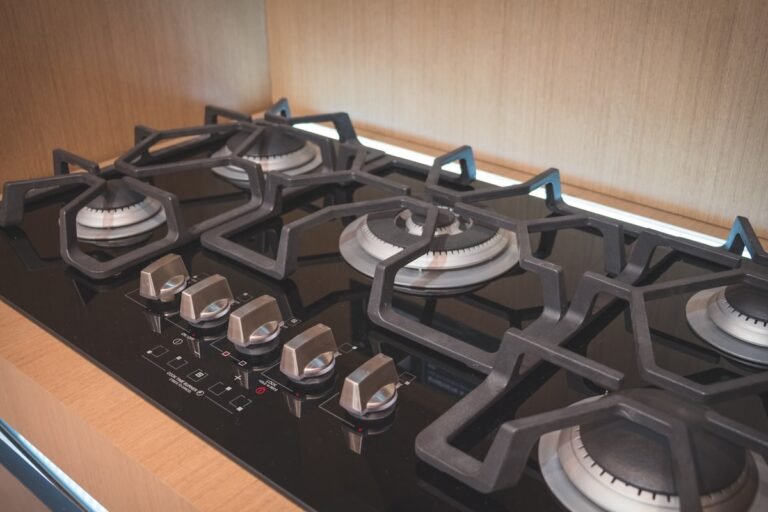
Your first move, if it is safe to reach it, is to cut the fuel. Turn off the burner knob, and if you can do so without going near the flame, turn off the cylinder valve too. Removing the fuel source is often the single most effective thing you can do. If reaching it means putting yourself in danger, skip this step and focus on getting out.
For a small pan fire: smother it
A small fire in a pan or pot, oil or food catching, is usually best smothered, not fought. Slide a metal lid or a large baking tray over the pan to cut off its air. Turn off the heat, and leave it covered until it has fully cooled. Do not move the pan while it is burning, since that can spread flames or spill burning oil.
Never, ever use water on an oil or gas fire
This is the single most important rule in this guide. Water on burning oil causes it to explode violently outward, throwing burning oil across the kitchen. It makes a small fire dramatically worse in an instant. If you remember only one thing from this article, remember this: never pour water on a cooking fire.
Using a fire extinguisher correctly
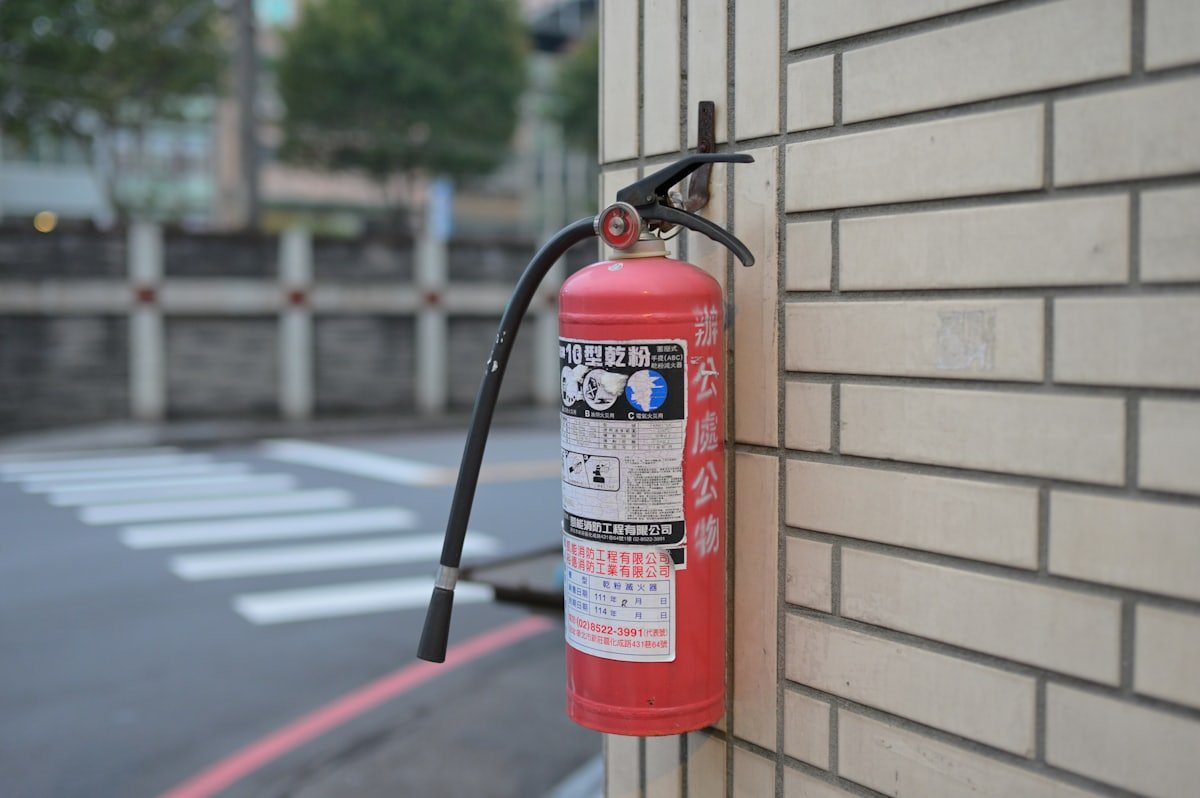
If you have an extinguisher within reach, use it once the gas is off and you have a clear path to escape. Remember the simple sequence: pull the pin, aim low at the base of the fire, squeeze the handle, and sweep side to side. Stand with your back to a clear exit, never let the fire get between you and the door. A small kitchen extinguisher is worth having exactly for this moment.
When to stop trying and get out
Know the line between manageable and not. If the fire grows beyond the size of the original pan, if smoke is filling the room quickly, or if you feel any doubt at all, stop. Leave immediately, close the door behind you to slow the fire’s spread, and call for help from outside. No pot of food is worth staying for a second longer than feels safe.
After the fire is out
Once things are calm, do not relight the cooker or reconnect the gas straight away. Let everything cool fully, and check your equipment before using it again. If the hose, regulator, or cylinder were anywhere near the fire, inspect them carefully, or replace them if you have any doubt. Our cylinder safety guide and hose and regulator guide help you check thoroughly before cooking again.
Preventing the next one
Most kitchen fires share the same roots, and most are avoidable. Never leave hot oil unattended, even briefly. Keep cloths, paper, and anything flammable away from the burner. Turn pot handles inward, especially in a home with children around. And keep a fire extinguisher in the kitchen, where everyone in the house knows exactly where it is.
Your kitchen fire response checklist
- Turn off the gas if you can reach it safely.
- Smother a small pan fire with a metal lid or tray.
- Never use water on an oil or gas fire.
- Use an extinguisher low, side to side, with an exit behind you.
- If it grows or you doubt yourself, leave and call for help.
- Check your equipment carefully before cooking again.
Frequently asked questions
Why is water so dangerous on a cooking fire?
Water sinks below hot oil and turns to steam almost instantly, violently throwing burning oil upward and outward. It turns a contained fire into a spreading one.
What kind of fire extinguisher suits a kitchen?
A multi-purpose extinguisher rated for cooking fires is the safest general choice. Check the label, and ask your supplier if you are unsure which type fits your kitchen.
Should I try to carry a burning pan outside?
No. Moving a burning pan risks spilling flaming oil on yourself or the floor. Smother it in place instead, and only move it once it has fully cooled.
Is a small kitchen fire always an emergency call?
If you put it out quickly and safely yourself, not necessarily. But if it grows, spreads, or you have any doubt, call for help immediately and get everyone out.
A kitchen fire is frightening, but a small one is very manageable with the right response. Cut the fuel, smother rather than douse, never reach for water, and know exactly when to stop and leave. A calm plan, decided now, is what protects you when it matters.
If you are in Lagos, we are glad to talk through your kitchen’s safety setup any time. Read our cooking gas safety guide, see our services, or message us on WhatsApp.