
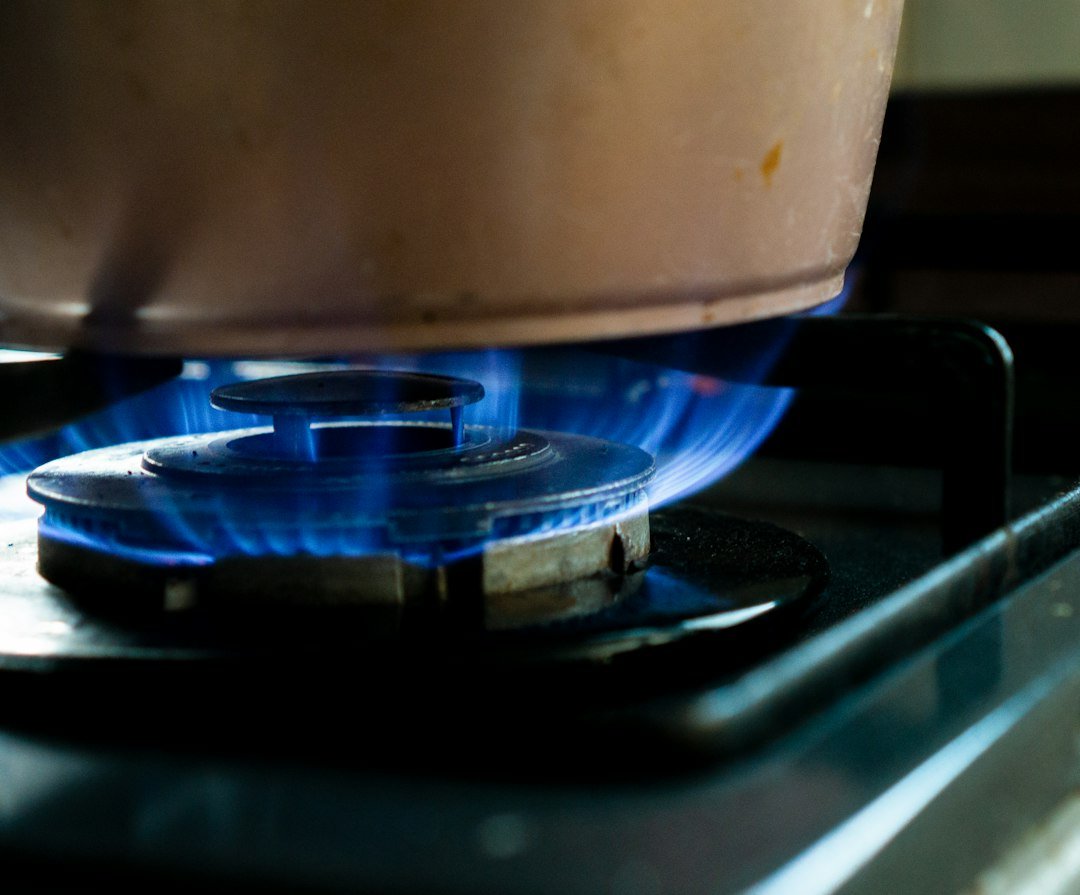
Why Is My Gas Cooker Flame Weak? Common Causes and Safe Fixes
A weak gas cooker flame can make cooking frustrating. Food takes longer to cook, and the flame may look much smaller than it normally does.
That does not always mean your gas is finished. A dirty burner, a misplaced burner cap, a regulator problem or a gas-supply issue can also reduce the flame. The key is to check the problem in a safe order.
First, Check One Burner or All Burners
Start with a simple question: is only one burner affected?
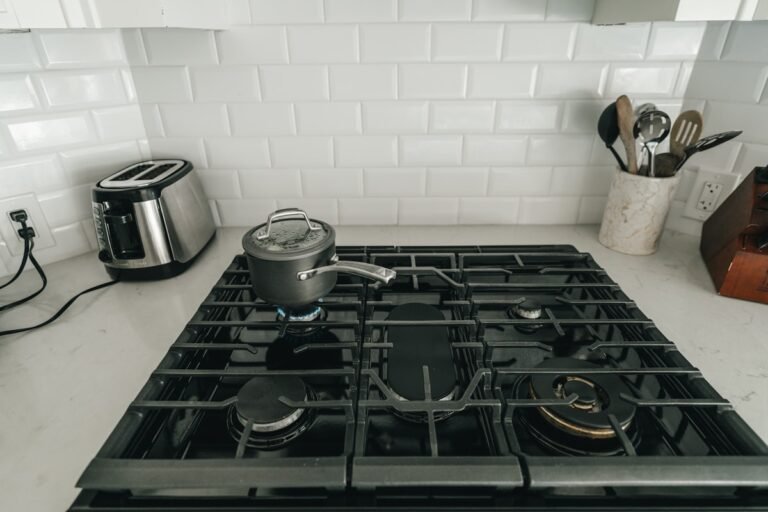
If one burner has a weak flame while the others work normally, the problem is more likely to be with that burner. The burner cap or the small gas openings may need attention.
However, if every burner suddenly becomes weak, look beyond the individual burner. The cylinder, regulator, hose or gas supply may need to be checked.
Clean a Dirty Burner
Food spills, grease and cooking residue can collect around a burner. Over time, this buildup can affect the small openings that allow gas to reach the flame.
Turn the cooker off and let the burner cool completely. Remove the burner cap and clean the parts according to the cooker manufacturer’s instructions.
After cleaning, make sure every part is dry and correctly positioned before you light the burner again.
Do not use nails, wires or other objects to enlarge burner openings. If normal cleaning does not solve the problem, have the cooker inspected.
Check the Burner Cap Position
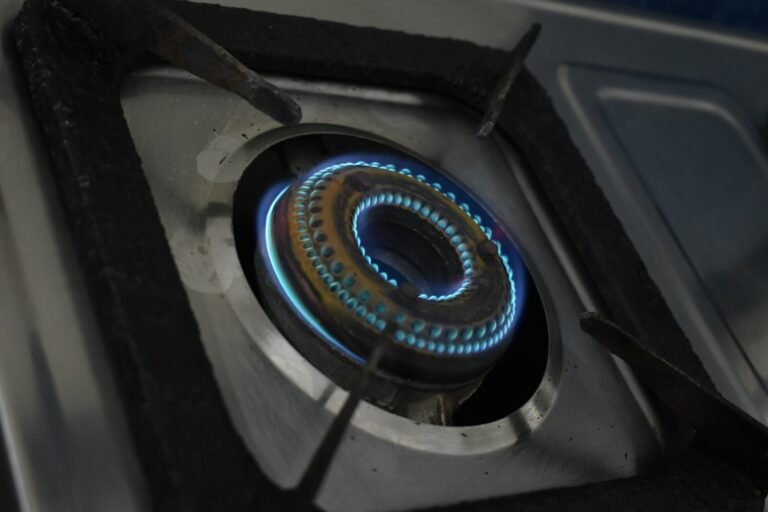
The burner cap needs to sit in its correct position. If it is tilted or displaced, the flame can become uneven or weak.
This can happen after cleaning the cooker. Check that the cap and burner parts are back in their intended positions before using the cooker.
Never operate the burner with missing or damaged parts.
For more detail, read our guide on what a gas cooker burner cap does and why its position matters.
Check the Gas Supply
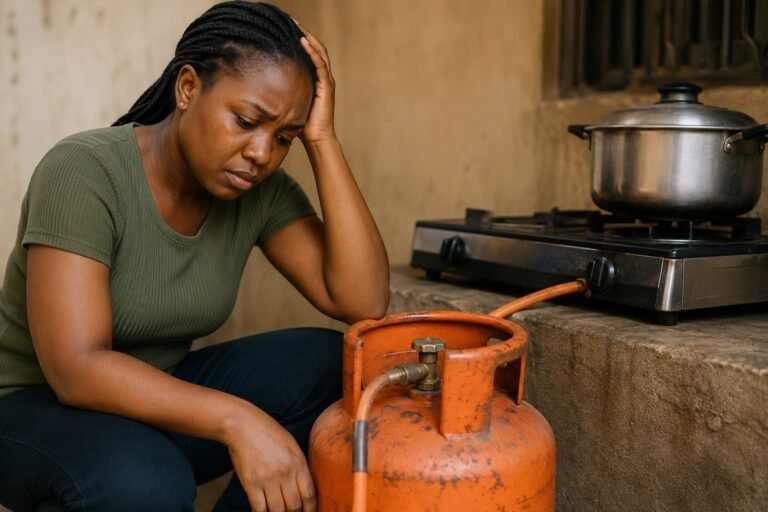
If all the burners are weak, consider the gas supply next. A cylinder that is nearly empty may affect your cooking routine.
Still, a weak flame does not prove that the cylinder is empty. Think about your recent usage and refill history before replacing the cylinder.
Inspect the Regulator and Hose
The regulator controls the gas pressure supplied to the cooker. A problem with the regulator can affect more than one burner.
The hose also matters. A damaged, poorly connected or restricted hose can interfere with gas flow.
Look for visible damage, loose connections, swelling or signs of wear. Do not dismantle the regulator or try to repair a faulty gas component yourself.
If you suspect a regulator problem, have it checked or replaced by a qualified person. You can also read our guide on how to choose the right gas regulator for your cylinder.
Look at the Flame Colour
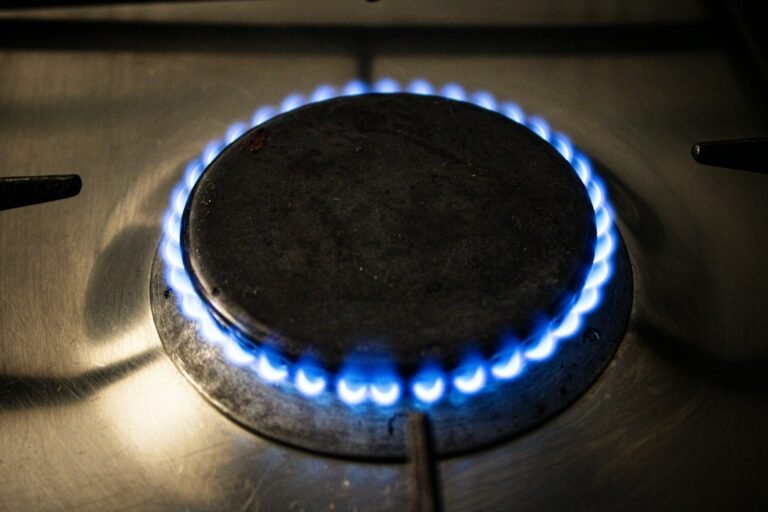
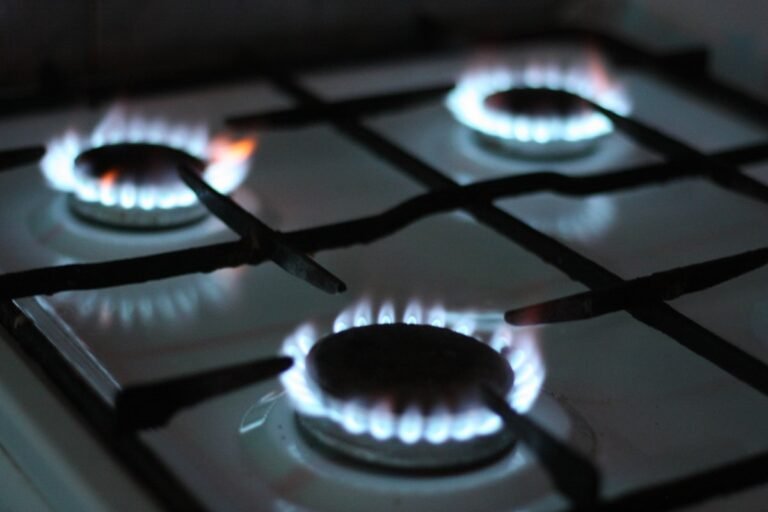
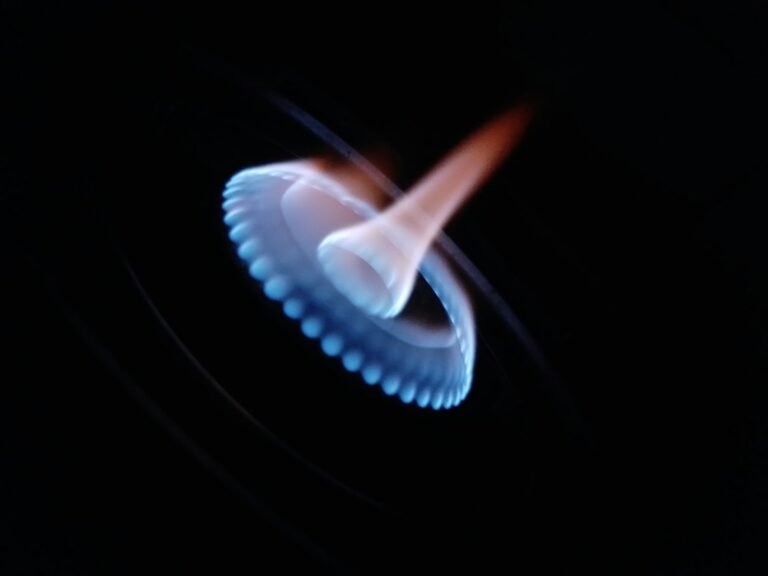
A normal LPG cooker flame should generally be blue and reasonably steady.
A weak flame that is also yellow, orange or unstable needs more attention. Soot around the burner is another warning sign.
If the flame stays yellow or shows other unusual combustion signs, stop and investigate instead of continuing to cook normally. Our guide explains why a gas flame can turn yellow instead of blue.
What If You Smell Gas?
A weak flame needs extra caution if you also smell LPG.
Turn off the cooker and the gas supply if it is safe to do so. Keep flames, cigarettes and other ignition sources away from the area.
Never use a match or lighter to search for a gas leak. If the smell continues after the gas supply is shut off, move away from the area and get appropriate professional or emergency assistance.
For the full safety steps, read what to do when your gas smells.
When Should You Stop Using the Cooker?
Stop using the cooker and arrange an inspection if the flame remains weak after basic cleaning and correct burner placement.
You should also stop using it if the flame stays yellow or unstable, if you smell gas, or if the hose, regulator or connections show visible damage.
Do not keep turning the control knob higher to compensate for a gas-flow problem. A larger knob setting does not fix the cause.
A Simple Troubleshooting Order
Work through the checks one at a time.
First, see whether one burner or all burners are affected. Next, clean the cool burner and check the burner cap. Then consider your cylinder’s remaining gas. Finally, inspect the regulator and hose for visible problems.
If the problem affects all burners or does not improve after these basic checks, arrange a professional inspection. Avoid continued experimentation with gas equipment.
Frequently Asked Questions
Why is my gas cooker flame weak but the cylinder still has gas?
The burner may be dirty, the burner cap may be out of position, or there may be a problem with the regulator, hose or gas supply. Start with the safe checks above before assuming the cylinder is empty.
Can a dirty burner make a gas flame weak?
Yes. Cooking residue can obstruct burner openings and affect the flame. Clean the burner only when the cooker is off and the parts are completely cool.
Why are all my gas cooker burners weak?
When all burners are affected, the cause may be farther upstream. The cylinder, regulator, hose or gas supply may need to be checked. If basic checks do not help, arrange a professional inspection.
Should I keep using a cooker with a weak yellow flame?
A persistent yellow or unstable flame should not be ignored. Stop using the cooker and have the appliance or gas connection checked, especially if there is soot, a gas smell or other unusual behaviour.
The Bottom Line
A weak gas cooker flame can come from a dirty burner or misplaced burner cap. It can also point to a problem with the gas supply or equipment.
Start with the simple checks, avoid unsafe repairs and pay attention to unusual flame colour or a gas smell. If the problem continues, have the cooker and gas connection inspected.
If you need a reliable LPG refill or delivery in Bucknor and Community Road, Ago Palace, JP GasPoint can help with properly weighed cooking gas and doorstep delivery.

One Comment