Cooking Gas and Children: Simple Rules for a Safe Home
Children and kitchens go together, whether we plan it that way or not. They wander in while you cook, reach for what catches their eye, and they copy everything you do. Cooking gas and children can absolutely coexist safely, but it takes a few clear household rules, not luck.
None of this is about fear. It is about simple habits that let you cook with peace of mind, even with little ones underfoot. Here is what we tell every family we set up in Lagos.
Set a clear kitchen boundary
The simplest rule is also the most effective. Decide on a boundary, a doorway, a mat, a line on the floor, that says “not while the cooker is on.” Explain it plainly, and hold to it consistently. Children respond well to a rule that is always the same. The cooker being hot is reason enough, no need to mention the gas at all.
Turn pot handles inward
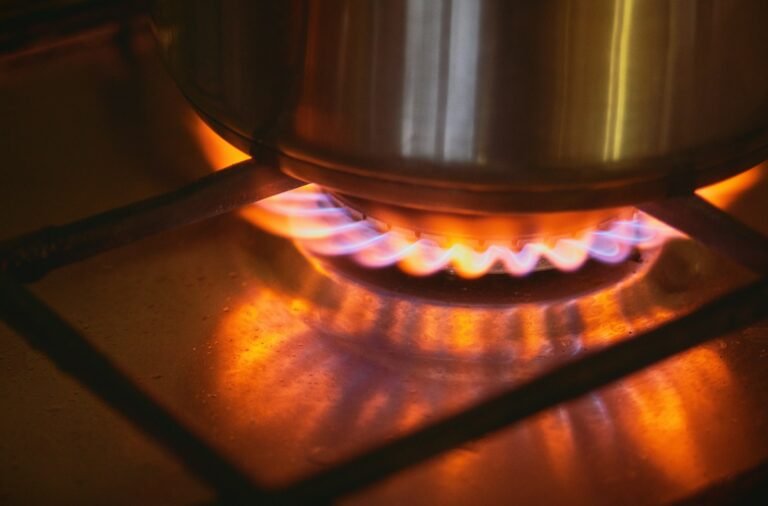
This is a small habit with a big payoff. A handle sticking out over the edge is an invitation for small hands, or an easy knock from a passing elbow. Turn every handle inward, over the cooker, before you step away. It takes no time at all, and it prevents one of the most common kitchen accidents.
Keep the cylinder and knobs out of reach
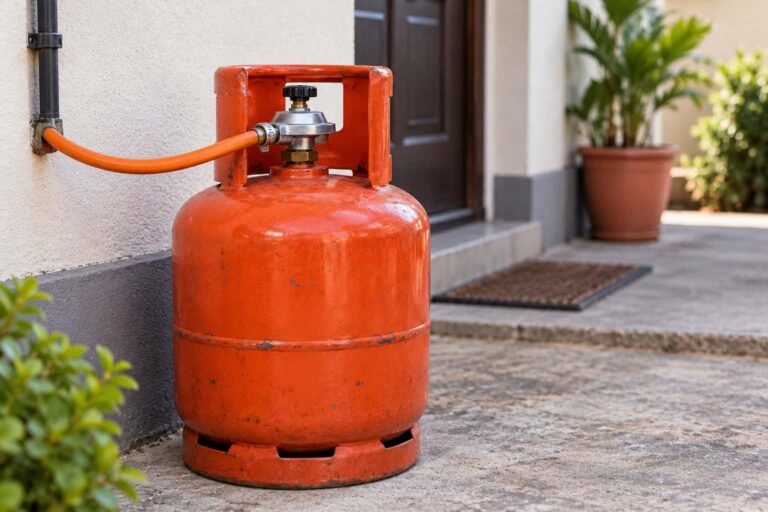
Children are curious about knobs, and a cylinder valve is just another interesting thing to turn. Position your setup so the cylinder and knobs are not within easy reach of small hands. If your cooker sits low, or your cylinder is on the floor nearby, consider a stand or a barrier. A little distance removes the temptation entirely.
Never leave cooking unattended
This rule matters for everyone, but especially with children around. A moment away to answer the door, or settle a squabble, is exactly when accidents happen. If you must step out of the kitchen, turn the burner off first, or have another adult take over. A watched pot is a safe pot.
Check every knob is fully off
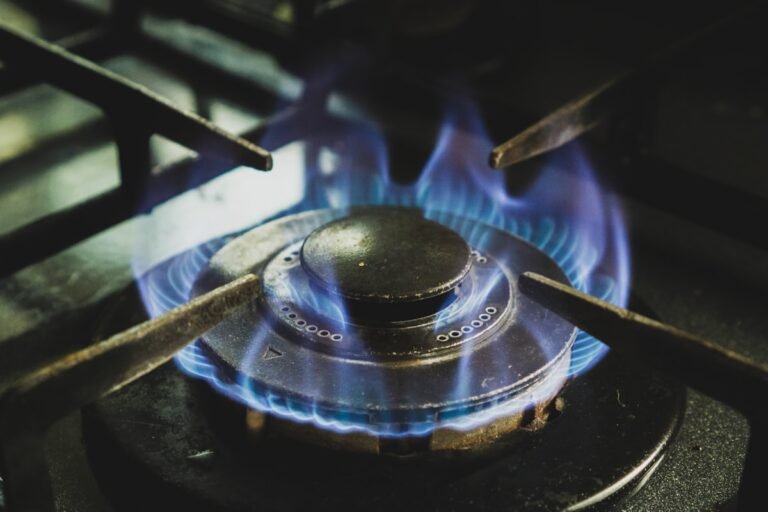
A knob nudged slightly open is easy to miss, and it is exactly the kind of thing a curious child might do while playing near the cooker. Get in the habit of glancing at all the knobs before you leave the kitchen. Then close the cylinder valve at the end of the day, as a final, certain check.
Teach older children the basics, calmly
As children grow, curiosity is a good thing to work with rather than against. Teach an older child what the cooker does, why it is hot, and why the cylinder is not a toy. Show, do not scare. A calm explanation builds respect for the gas, which serves them far better than fear does.
Keep your equipment sound
A well-maintained setup is inherently safer for everyone in the house. Check your hose and regulator regularly, and run the soapy water leak test now and then. Our cooking gas safety guide covers the basics, and our guide on replacing your hose and regulator explains when to change each part.
Have a simple plan for a scare
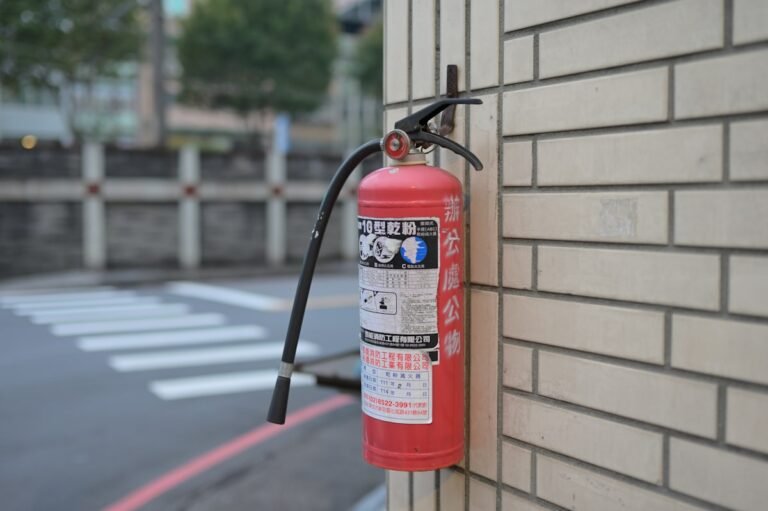
Even in a careful home, it helps to know what to do if something goes wrong. If you smell gas, get children out of the kitchen first, then turn off the cylinder and ventilate. Keep a fire extinguisher somewhere accessible, and make sure any older child knows to call an adult immediately rather than investigate alone.
Your family kitchen safety checklist
- Set a clear “not while cooking” boundary.
- Turn pot handles inward, every time.
- Keep the cylinder and knobs out of easy reach.
- Never leave a lit burner unattended.
- Check all knobs, and close the cylinder valve nightly.
- Teach older children calmly, without scaring them.
Frequently asked questions
At what age can a child help with gas cooking?
There is no fixed age. It depends on the child’s maturity and always requires close supervision. Start with simple, low-risk tasks well away from the flame.
Should I keep the kitchen door locked?
A physical barrier or gate can help with younger children, especially toddlers. For most families, a clear boundary rule paired with supervision works just as well.
Is it normal to worry about gas with young children at home?
Yes, and it shows you are being careful. With a few consistent habits in place, gas is very manageable in a home with children.
What should I do if my child turns on a knob?
Turn it off calmly, and check for any smell of gas. Then look at repositioning your setup, or adding a barrier, so it is harder to reach next time.
A safe kitchen and a curious child are not in conflict. A clear boundary, inward handles, gas out of reach, and a watchful eye cover almost everything. Build these into your routine, and cooking gas becomes simply one more normal, safe part of family life.
If you are in Lagos, we are happy to check your setup and talk through anything that concerns you. Read our cooking gas safety guide for the full basics, see our services, or message us on WhatsApp.