Cooking Gas vs Induction Cooktops: Which Is Better?
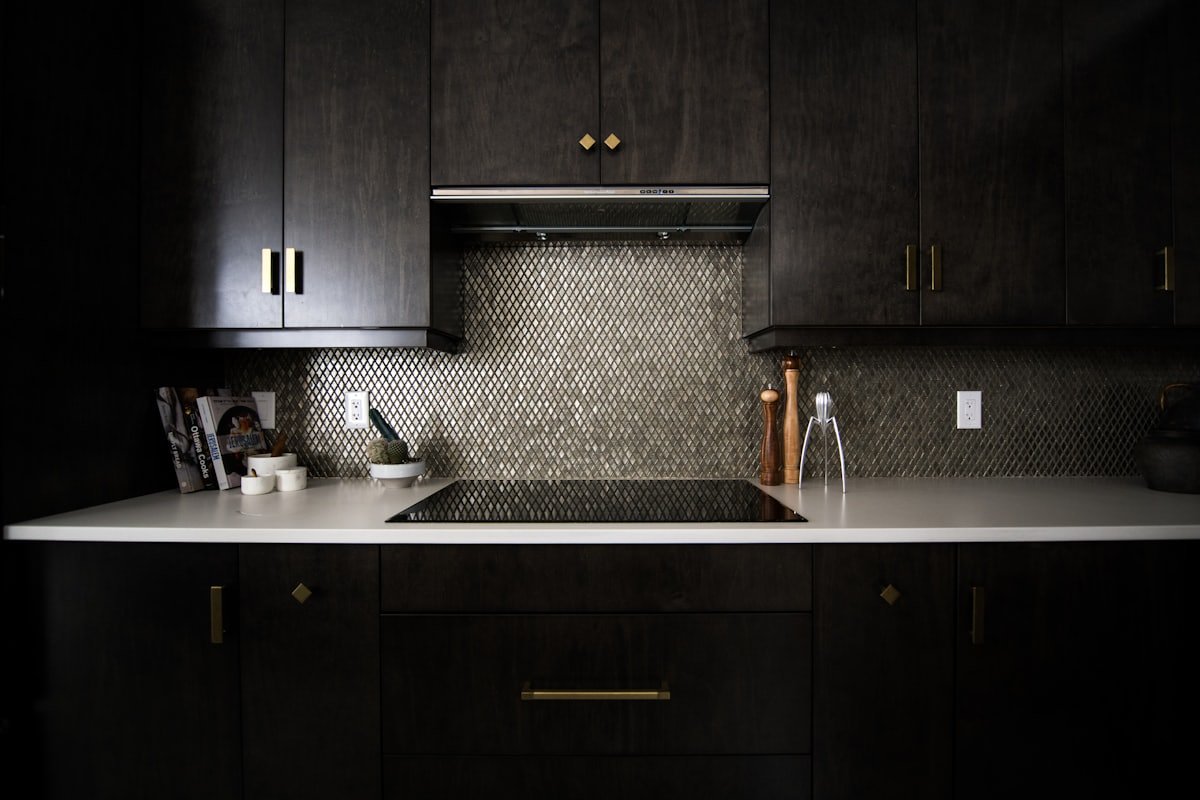
Induction cooktops have started showing up in more Nigerian kitchens, sleek, flat, and flameless. Naturally, the question follows: is induction actually better than cooking gas? The honest answer depends less on the technology itself and more on your home, your power supply, and how you cook.
We sell gas, so you might expect us to be biased here. We will do our best to give you a fair, practical comparison instead, the kind we would want if we were choosing ourselves.
How each one actually works
Gas burns fuel to create an open flame, heating your pot directly and instantly. Induction uses electricity and a magnetic field to heat the pot itself, with no visible flame at all. Both can cook well. The real differences show up in reliability, running cost, and what your kitchen and power supply can actually support.
The power supply question comes first
This is the honest starting point for most Nigerian homes. Induction needs a steady, fairly heavy electrical supply to run properly, and it stops completely the moment power goes out, unless you have solid backup power in place. Gas keeps working through a blackout without a second thought. If your power supply is unpredictable, this alone settles a lot of the decision.
Upfront cost
A basic gas setup, cylinder, regulator, hose, and burner, is generally the cheaper starting point. Induction cooktops themselves can be pricier, and they also demand induction-compatible pots and pans, which is an extra cost many people do not expect. If your existing pots are not induction-ready, budget for new cookware too.
Running cost
This genuinely depends on your local gas and electricity rates, which both shift over time. What is fair to say is that induction is very efficient with the energy it uses, since almost all the heat goes into the pot. Gas is also efficient when used well, a lid on, a matched pot, a sensible flame. Our buying guide covers how to judge gas cost properly, so you can compare it against your own electricity bill.
Cooking feel and control
Gas gives instant, visible heat that most Nigerian cooks are used to, especially for techniques that need a strong, direct flame. Induction heats fast and responds quickly too, but the feel is different, no visible flame, and pots must sit flat and be induction-compatible. Some cooks adapt easily. Others miss the flame. This one is genuinely a matter of preference.
Safety considerations for each
Both are safe when used properly, with different things to watch. Gas needs sound equipment and the habits covered in our safety guide, checked hoses, a leak test, good ventilation. Induction has no open flame or gas leak risk, but the cooktop surface itself can stay hot briefly after use, and it depends entirely on a safe, stable electrical installation.
Where each one makes the most sense
Gas tends to suit homes with unreliable power, cooks who want a strong direct flame, and anyone who wants to avoid the added cost of new induction-ready pots. Induction can suit a home with stable power or solid backup, a kitchen wanting a flameless, cooler-running surface, and cooks happy to invest in compatible cookware. Neither is universally right, it depends on your specific home.
Can you use both?
Many households do exactly this, and it is a genuinely sensible middle ground. Gas as your reliable main cooker, with a small induction plate as a backup or for specific tasks. It gives you the resilience of gas with the option of induction when power allows. You do not have to pick a single winner for every situation in your kitchen.
Frequently asked questions
Is induction cheaper to run than gas?
It depends on your local electricity and gas rates, which both change. Induction is very energy-efficient, but your actual running cost depends on your specific tariffs and how much you cook.
Does induction work during a power outage?
No, not without backup power. This is the single biggest practical drawback of induction in a home with an unreliable electricity supply.
Can I use my existing pots on an induction cooktop?
Only if they are induction-compatible, meaning they contain enough magnetic material. Many aluminium and some stainless pots will not work without an adapter plate.
Is it practical to have both gas and induction at home?
Yes, and many households do. Gas as the reliable main option, with induction as a flexible extra, is a genuinely practical setup for a lot of Nigerian homes.
Neither gas nor induction is simply the better choice, it depends on your power supply, your budget, and how you like to cook. For most Nigerian homes today, gas remains the more dependable everyday option, while induction can be a smart addition where power allows.
If you are weighing up gas for your home, we can help you get set up properly. Read our getting started guide, see our services, or message us on WhatsApp.