
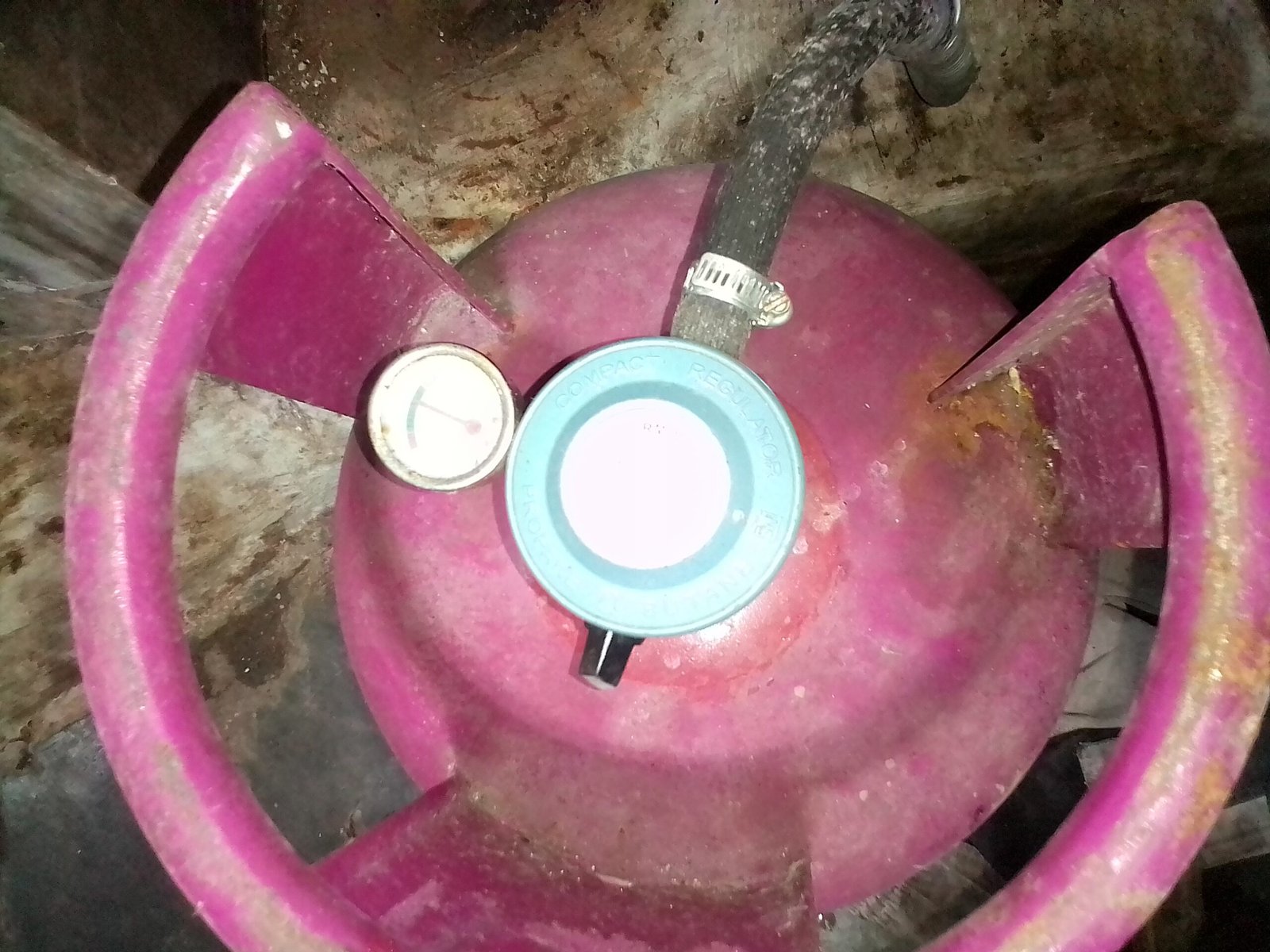
How to Safely Connect a Gas Cylinder to Your Cooker
You’ve just returned with a newly refilled gas cylinder, you’re ready to cook, and then you realise you still need to connect it to the cooker. If you’re new to LPG, that part can feel a little intimidating.
The good news is that a normal household setup does not have to be complicated. What matters is using compatible equipment, making the connection without forcing anything, and checking for leaks before the first flame.
Start here: know what you’re connecting
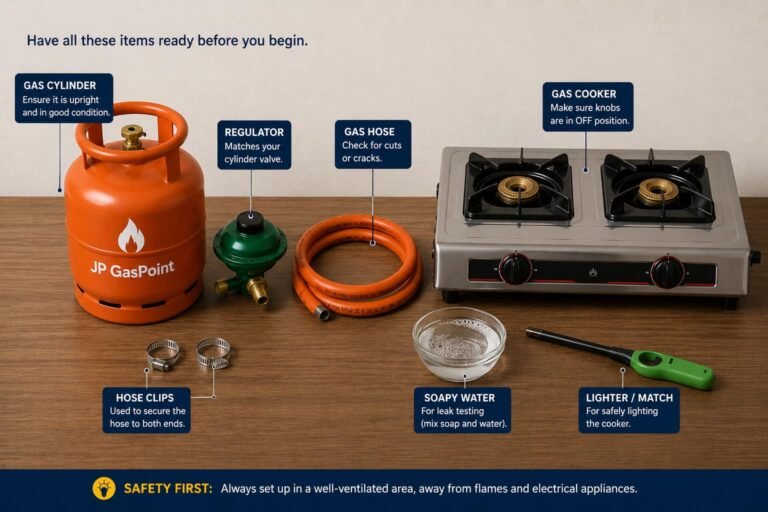
A basic LPG cooking setup normally includes the cylinder, a regulator, a gas hose and the cooker. Each part has a job, and they need to work together as a compatible system.
Before connecting anything, check that the regulator is suitable for your cylinder valve and cooker. Regulators are not universal simply because they look similar or seem to fit. If you are unsure, our guide on how to choose the right gas regulator for your cylinder can help.
Before you connect: check these five things
1. The cooker is off. Make sure all burner controls are off and there is no flame, cigarette or other ignition source nearby.
2. The cylinder is stable. Keep the cylinder upright on a firm, stable surface in a suitable, well-ventilated location away from excessive heat and ignition sources.
3. The cylinder is in good condition. Look for obvious damage, severe rust, a damaged valve or anything else that makes the cylinder look unsafe.
4. The regulator and hose are in good condition. Check for cracked, badly worn or damaged parts, loose fittings, damaged seals, cuts, kinks or signs of excessive heat exposure.
5. Everything is compatible. Do not assume that a regulator or hose is suitable just because it physically connects. Use equipment intended for LPG and follow the manufacturer’s instructions.
How to safely connect the cylinder to your cooker
1. Switch everything off
Before connecting or disconnecting the cylinder, make sure the gas supply is off according to the type of cylinder and regulator you are using. The cooker controls should also be off.
This simple step prevents gas from escaping while you are making the connection. Do not rush it just because you are ready to start cooking.
2. Position the cylinder safely
Keep the cylinder upright and stable, with the connection accessible. It should be positioned according to the cylinder and equipment instructions, away from excessive heat and anything that could damage the cylinder or valve.
Do not lay the cylinder on its side just to make the connection easier. If the cylinder cannot be positioned safely, stop and get help.
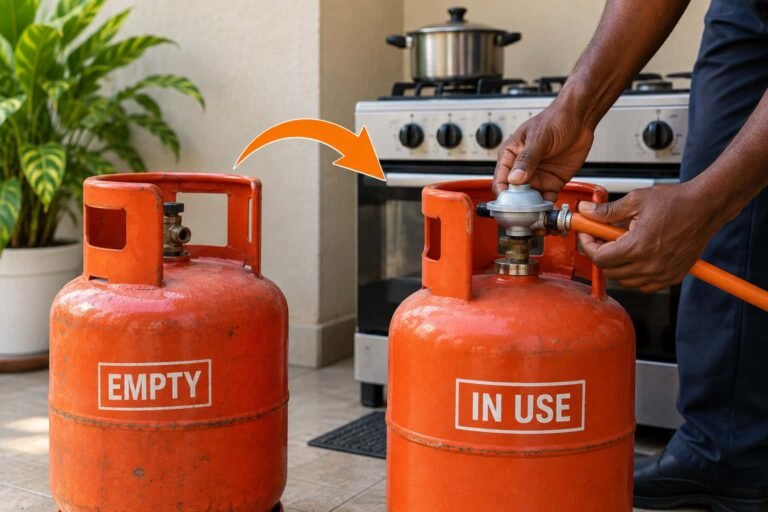
3. Attach the correct regulator
The exact connection method depends on the cylinder valve and regulator design. Some domestic regulators use push-on or clip-on connections, while others use threaded connections.
Remove any protective cap or seal when you are ready to connect, then position the regulator correctly and attach it according to the manufacturer’s instructions. It should fit properly and securely without excessive force.
Never force, bend or modify a regulator to make it fit. Do not improvise with tape, makeshift seals or damaged parts. If the regulator does not connect normally, stop and get the correct fitting or professional assistance.
4. Connect and inspect the hose
Check the hose between the regulator and cooker. It should be suitable for LPG use and connected securely at both ends using the correct fittings or clamps specified for the equipment.
Keep the hose away from sharp edges and hot surfaces. It should not be sharply bent, crushed, stretched or trapped underneath anything. A hose that looks fine at a glance can still become a leak point if it is badly positioned or damaged.
5. Check for leaks before lighting the cooker
This is the step you should never skip. Before lighting the cooker, check the cylinder-to-regulator connection and other accessible gas connections for leaks using an appropriate leak-detection solution or soapy water where suitable for your equipment.
Follow the equipment manufacturer’s instructions for the leak check. If bubbles appear at a connection, treat that as a sign of a leak. Turn off the gas supply if it is safe to do so, keep away from flames and other ignition sources, and do not use the cooker until the problem has been properly corrected.
Never use a match, lighter or any other flame to test for a gas leak. LPG can form a flammable mixture with air, so a flame can turn a small leak into a fire or explosion.
6. Open the supply and light the cooker according to its instructions
Once the connections have passed the leak check and there is no smell of gas, follow the cooker and regulator instructions for opening the gas supply. The exact sequence can vary between equipment, so do not rely on a generic method if your manufacturer’s instructions say otherwise.
Use the cooker’s normal ignition method. If a burner does not light, turn its control off and allow any released gas to disperse before trying again. Do not keep releasing gas while repeatedly attempting to ignite it.
If you notice an unusual flame, persistent gas smell, hissing or another problem after connection, turn off the gas and investigate rather than continuing to cook.
Stop and get help if something does not look right
You do not need to figure out every gas connection yourself. Stop if the regulator does not match the cylinder, the cylinder valve looks damaged, the hose is cracked or badly worn, a fitting will not connect normally, or you are unsure whether the equipment is compatible.
You should also stop if you smell gas, hear hissing or see bubbles during the leak check. Turn off the gas supply if you can do so safely, keep away from flames and other ignition sources, and ventilate the area where appropriate. If you cannot safely control the situation, move away and seek professional or emergency assistance.
Connection is different from gas installation
Connecting a compatible cylinder and regulator in a normal household setup is different from carrying out a new gas installation or modifying fixed gas pipework. If the job involves changing the gas installation, fitting unfamiliar equipment or making modifications, it is better handled by a competent professional.
The same applies if you are dealing with a damaged cylinder, faulty valve or a leak that you cannot safely control. Do not experiment with a gas connection simply because you want to get the cooker working quickly.
Common mistakes to avoid
One common mistake is choosing a regulator because it fits the cylinder without checking whether it is suitable for the cooker. Another is continuing to use a damaged hose or trying to repair a connection that should be replaced.
It is also a mistake to ignore a small gas smell because the cooker still works. A cooker can appear to operate normally while a connection is leaking. If you smell gas, stop using the setup and follow safe leak-response steps. Our guide on why your gas may smell and what to do explains what to check.
Finally, do not assume that tightening a connection harder will make it safer. Connections are designed to seal in a particular way, and overtightening can damage fittings or seals.
A simple final check before cooking
Before you start preparing your meal, take one final look at the setup. The cylinder should be stable and upright, the regulator should be correctly attached, the hose should be in good condition and away from heat, and there should be no smell or sign of leakage.
If everything looks right and the equipment is operating normally, you can use the cooker as intended. If something does not look right, do not ignore it simply because you are in a hurry to cook.
FAQs about connecting a gas cylinder to a cooker
Can I connect any gas regulator to my cylinder?
No. The regulator must be compatible with the cylinder valve and suitable for the appliance and LPG service. If you are unsure, do not guess.
Should I test for leaks after connecting a new cylinder?
Yes. Connections should be checked for leaks before the cooker is used. Use an appropriate leak-detection solution or soapy water where suitable, and never use a flame to test for a leak.
What if I smell gas immediately after connecting the cylinder?
Do not light the cooker. Turn off the gas supply if it is safe to do so, avoid flames and other ignition sources, ventilate the area where appropriate, and have the leak investigated. If you cannot safely control the situation, move away and seek emergency assistance.
Can I force a regulator onto a cylinder if it is difficult to fit?
No. A regulator should fit the intended cylinder connection correctly. Forcing it can damage the fitting or create an unsafe connection.
Connecting a new cylinder does not have to be stressful. Take your time, use compatible equipment, check every connection and never ignore a suspected leak. When in doubt, it is safer to ask for help than to improvise.
At JP GasPoint, we are always happy to help customers understand the right cylinder, regulator and gas setup for their home.



2 Comments