
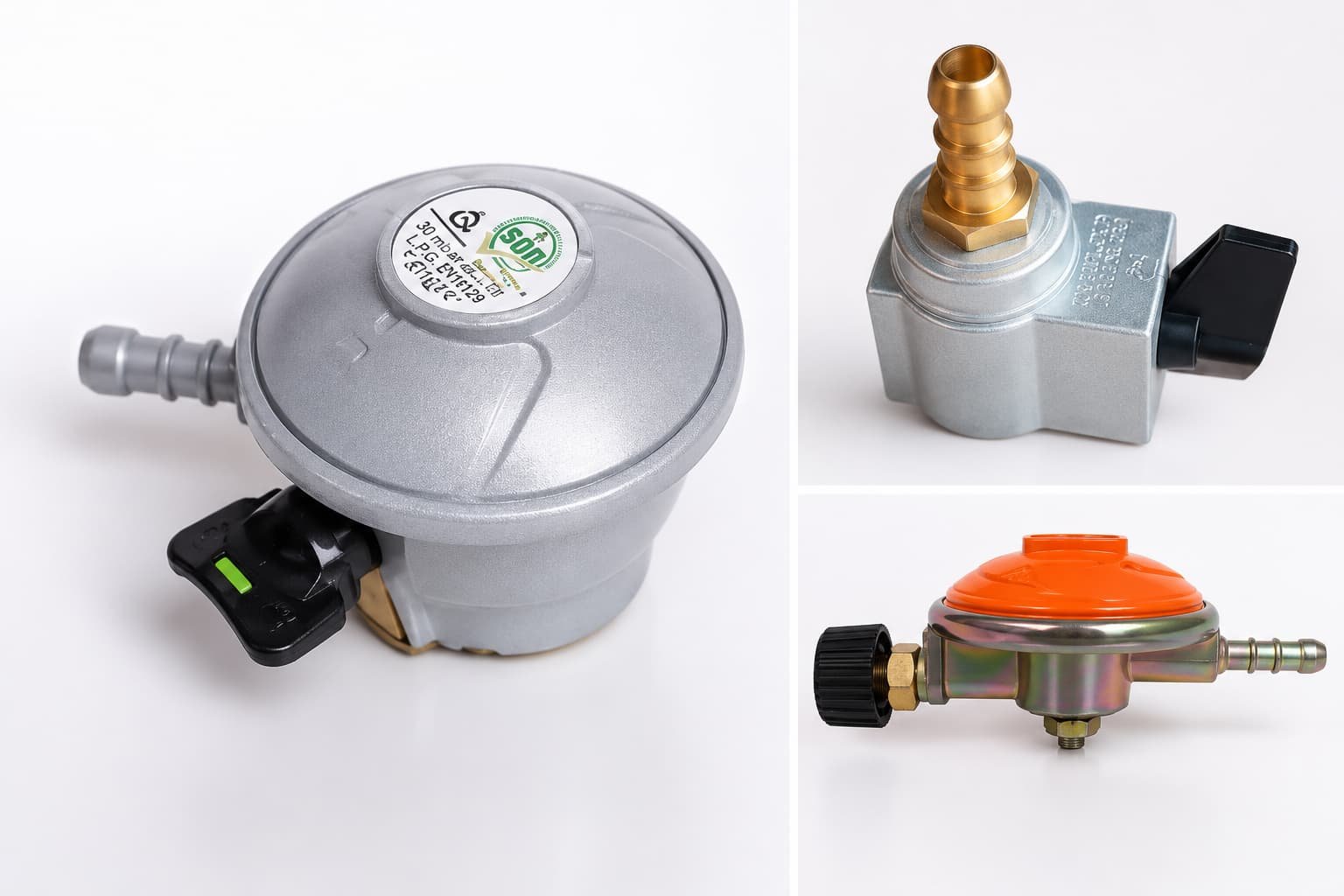
What to Do If Your Gas Regulator Is Leaking
A leaking gas regulator is not something to ignore or keep using until you have time to deal with it. If you notice the smell of gas around the regulator, hear a faint hissing sound, or suspect that gas is escaping from the connection, stop using the cooker and treat it as a safety issue.
The good news is that many regulator leaks come from a poor connection, a damaged seal, or worn equipment. The important thing is to avoid experimenting with the fitting when gas may be escaping. Here is what to do, what you can safely check, and when the regulator should be replaced.
First, take a suspected gas leak seriously
LPG is highly flammable, and a leak can create a dangerous mixture of gas and air, particularly inside a poorly ventilated room. That is why a suspected leak should be dealt with before you continue cooking.
If you smell gas, do not light a match, cigarette, lighter or burner to look for the leak. Avoid creating sparks, including switching electrical equipment on or off near the suspected leak. If it is safe to do so, shut off the gas supply at the cylinder and move people away from the area.
Open doors or windows for ventilation if you can do so without operating electrical switches or putting yourself close to the escaping gas. If the smell is strong, the leak cannot be stopped, or you are unsure what to do, leave the area and contact a qualified gas technician or your gas supplier.
How to tell if your gas regulator may be leaking
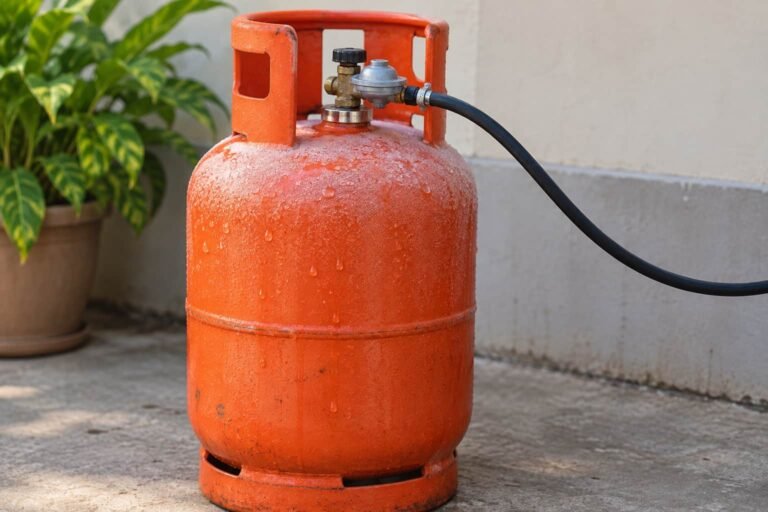
A regulator leak is not always obvious. Look out for a few warning signs around the cylinder and regulator connection:
- You notice the familiar smell added to LPG around the regulator or cylinder connection.
- You hear a continuous hissing sound when the gas supply is on.
- The regulator does not sit or lock into place correctly.
- The connection, seal or O-ring appears damaged, cracked or badly worn.
- The regulator has visible physical damage or has become unusually loose.
- You notice that gas is finishing unusually quickly and there is another sign suggesting a leak.
Remember that a smell alone does not prove the regulator is the exact source. Gas can escape from the cylinder valve, hose, appliance connection or another part of the system. The safest approach is to isolate the supply and have the system checked rather than guessing.
What to do immediately if the regulator is leaking
1. Turn off the gas supply
If you can safely reach the cylinder valve without passing through a strong concentration of gas, turn off the gas supply. Do not continue using the cooker simply because the flame still looks normal.
2. Keep flames and ignition sources away
Put out any open flames if you can do so safely, and keep cigarettes, matches, lighters and other ignition sources away from the area. Do not use a flame to locate the leak.
3. Ventilate the area safely
If there is only a mild smell and you can ventilate the room without operating electrical switches near the leak, open doors and windows to allow gas to disperse. LPG vapour can collect in low areas, so do not assume that a small smell will simply disappear on its own.
4. Stop using the equipment
Once you suspect the regulator is leaking, do not reconnect it repeatedly or keep testing the cooker. Leave the equipment isolated until the cause has been identified and the faulty component has been repaired or replaced by a competent person.
Why do gas regulators leak?
There is not always one single cause. A leak can develop because the regulator is not correctly connected, a seal has deteriorated, the regulator has been damaged, or the equipment has simply reached the end of its useful life.
For clip-on regulators, the connection mechanism and sealing components are particularly important. A regulator that does not lock or seat correctly should not be forced into position. The same applies to a screw-on regulator that has damaged threads or a worn sealing component.
Sometimes the regulator is not actually the source of the leak. A damaged hose, cylinder valve or appliance connection can produce the same smell. That is why replacing random parts without identifying the problem is not a good idea.
Can a leaking gas regulator be repaired?
For a household LPG setup, the safer choice is usually to replace a regulator that is damaged, faulty or no longer sealing correctly rather than attempting an improvised repair. Regulators are pressure-control devices, and their condition directly affects the safe supply of gas to the appliance.
Do not tape over a leaking joint, add makeshift washers, glue damaged parts, or try to open the regulator and repair its internal mechanism yourself. A temporary fix may hide the problem without making the connection safe.
If the leak is coming from the cylinder valve or another part of the gas system, have a qualified person inspect it before the equipment is returned to service.
When should you replace the regulator?
Consider replacement when the regulator is visibly damaged, repeatedly develops leaks, has a damaged connection or sealing component, does not fit the cylinder properly, or shows other signs of deterioration.
The replacement must be suitable for your cylinder and cooker setup. Do not choose a regulator simply because it fits physically. The regulator needs to be appropriate for the appliance and gas system, including the required operating pressure.
If you are not sure which regulator you need, it is better to ask a reputable gas equipment supplier or qualified technician before buying one.
What not to do when a regulator is leaking
- Do not use a naked flame to find the leak.
- Do not keep cooking while you can smell gas.
- Do not repeatedly remove and reconnect a suspect regulator.
- Do not use tape, glue or improvised parts to seal a gas leak.
- Do not ignore a small hiss or occasional gas smell.
- Do not attempt internal regulator repairs unless you are properly qualified to do so.
FAQs about a leaking gas regulator
Is a small gas regulator leak dangerous?
Yes. Even a small LPG leak should be taken seriously because the gas is highly flammable and can accumulate in an enclosed space. Shut off the supply and deal with the problem rather than continuing to use the cooker.
Can I tighten the regulator myself?
Only follow the fitting method specified for your particular regulator and cylinder. Do not force, modify or overtighten a connection in an attempt to stop a leak. If the connection does not seat correctly, have it checked.
Why does my regulator smell of gas after refilling?
A persistent gas smell after refilling should not be dismissed. Check whether the cylinder valve and regulator connection are properly seated only if you can do so safely, and isolate the supply if you suspect a leak. If the smell continues, contact your gas supplier or a qualified technician.
Can a leaking regulator make gas finish faster?
Yes, a leak can contribute to unusually fast gas loss. However, faster-than-normal consumption can have other causes too, so do not assume the regulator is responsible without checking the whole gas system.
Keep your gas setup safe
A gas regulator should make your cooking setup safer and more controlled, not become something you have to worry about. If you notice a leak, deal with it before using the system again rather than trying to work around the problem.
For more practical guidance, see our guides on what to do when your gas smells, when to replace your gas hose and regulator, and how to choose a reliable cooking gas vendor. If you are in Lagos and need help with cooking gas, cylinders or accessories, JP GasPoint Limited can also help you get the right equipment for your setup.

One Comment