How to Prepare Your Kitchen for Cooking Gas
Switching to cooking gas can make everyday cooking faster and more convenient, but there is one thing worth doing before you connect a cylinder: look at the kitchen itself. A few simple checks can help you avoid placing the cylinder in the wrong spot, routing the hose badly or squeezing the cooker into an unsuitable space.
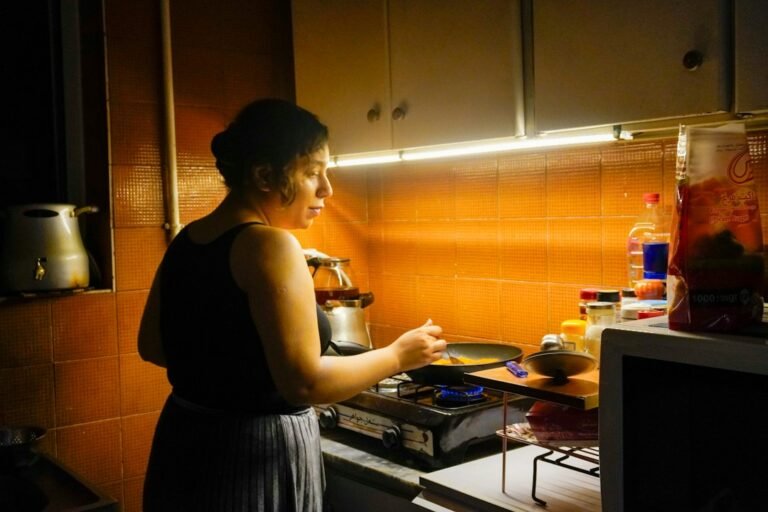
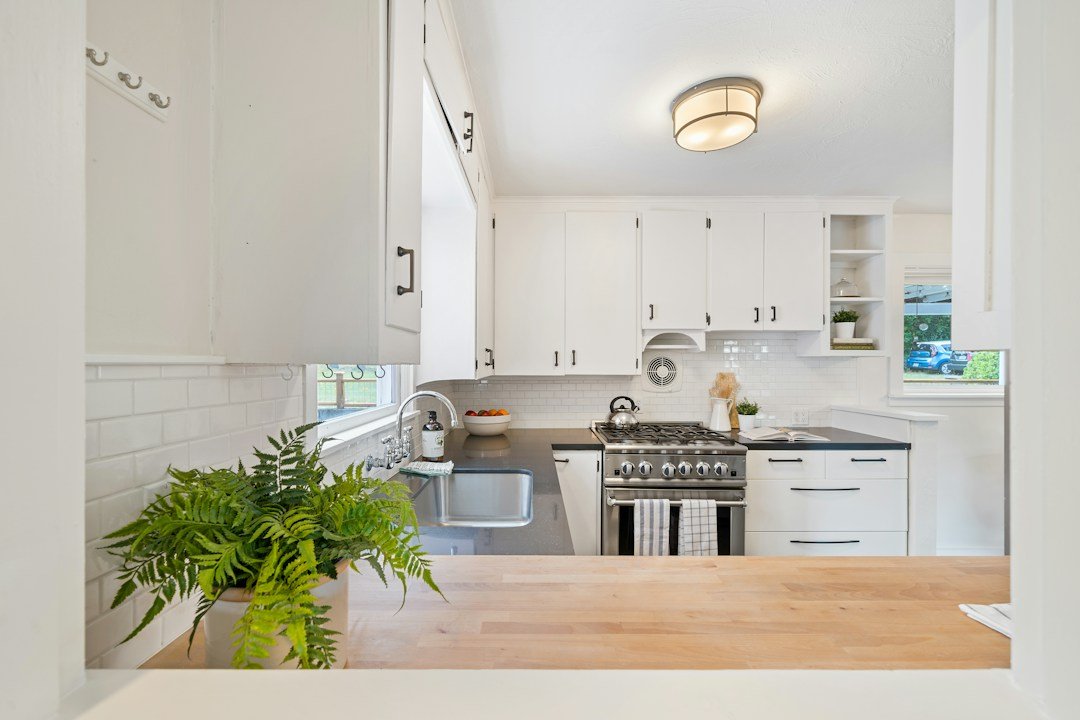
If you are wondering how to prepare your kitchen for cooking gas, you do not necessarily need to remodel the whole room. What matters most is having a suitable cooking area, good ventilation, a stable place for the cooker and a safe location for the cylinder and gas connections.
1. Make Sure the Kitchen Has Good Ventilation
Start with airflow. A kitchen that uses a gas appliance needs an adequate supply of fresh air, and you should never block existing ventilation openings. Good ventilation also helps heat, cooking fumes and combustion products leave the room.
Do not assume that closing every window or ventilation opening makes the kitchen safer. If your kitchen is unusually enclosed or you are planning a new fixed gas installation, get advice from a competent professional about the ventilation needed for the appliance and space.
2. Choose a Stable Place for the Cooker
Your cooker should sit on a firm, level surface where it will not wobble when you place a pot on the burner. Leave enough working space around it so you can cook without constantly knocking against walls, cabinets or other appliances.
Keep curtains, paper, loose clothing, cleaning products and other easily flammable materials away from the cooking area. The space around the cooker should also remain clear enough for you to reach the controls quickly.
3. Plan Where the Gas Cylinder Will Stay
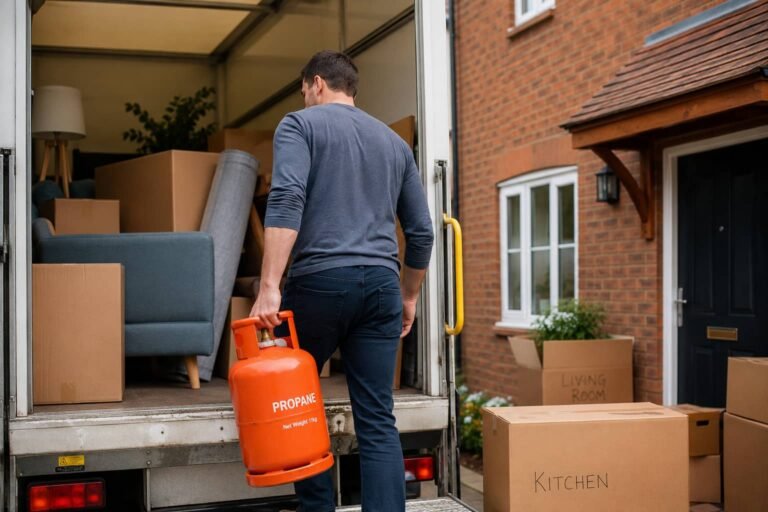
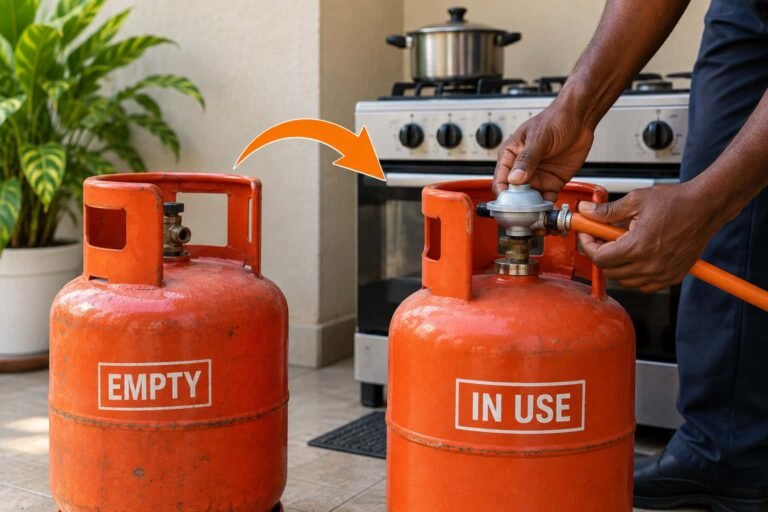
The cylinder needs a suitable location before you connect anything. It should remain upright, stable and in a well-ventilated area, away from direct heat, flames and other ignition sources. Do not hide it inside a sealed cabinet or place combustible materials around it.
The safest location depends on your kitchen layout and the type of installation. Our guide on where to keep a gas cylinder at home goes into the placement details you should consider before settling on a spot.
4. Check That the Cooker Is Suitable for LPG
Not every gas appliance uses the same type of gas or setup. Before buying or connecting a cooker, check the manufacturer’s instructions and confirm that the appliance is suitable for LPG and for the regulator and supply arrangement you intend to use.
This is particularly important if you are moving from another fuel or buying a cooker that was previously used with a different gas supply. Do not rely only on the fact that a hose appears to fit.
5. Leave a Safe Route for the Gas Hose
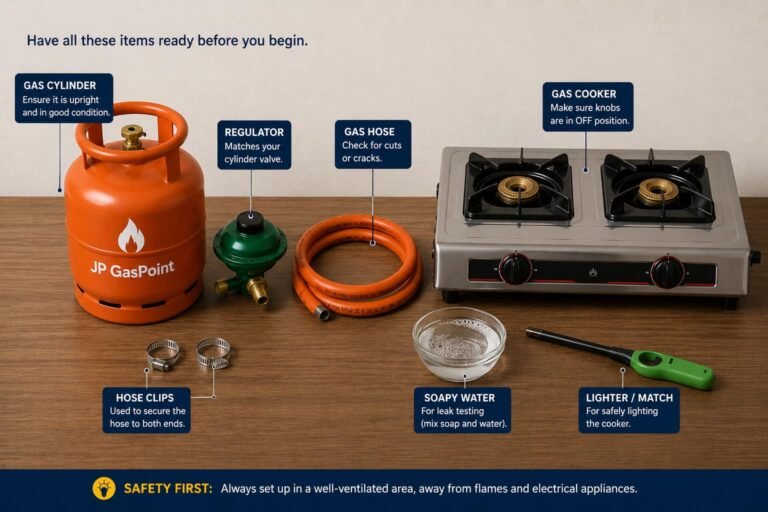
Before the cylinder and cooker are finally positioned, look at the route between them. The hose should not run across a flame, rest against a hot part of the cooker, become sharply bent or sit where people will constantly step on or rub against it.
Choose a hose designed for LPG and make sure its fittings work correctly with the regulator and appliance. If you are buying a new one, our guide on how to choose the right gas hose for your cooker explains the main things to check.
6. Check the Regulator and Connections
The cylinder, regulator, hose and cooker need to work together as one system. Check that the regulator is appropriate for the cylinder and appliance, and never force a connection that does not fit properly.
If you are unsure about the regulator, our guide on choosing the right gas regulator can help you understand what to look for. When an installation needs new fittings, unfamiliar connections or technical changes, use a competent LPG professional rather than improvising.
7. Keep Basic Fire Safety in Mind
A gas kitchen should have a clear cooking area and a sensible plan for dealing with a small fire. Keep a suitable fire blanket or other appropriate fire-safety equipment where it can be reached without putting yourself in danger.
Most importantly, know where the gas supply can be shut off. Everyone who regularly cooks in the home should know how to turn the cooker controls off and understand what to do if they smell gas.
If you ever smell gas, do not use a flame to search for the leak. Avoid ignition sources, shut off the supply if you can do so safely, move to a safe place and get professional help if the smell continues or you cannot identify the problem.
8. Do a Final Check Before You Start Cooking
Once the cooker, cylinder, regulator and hose are in place, take a few minutes to look over the whole setup. Make sure the cylinder is upright and stable, the hose is not exposed to damaging heat, the cooker is secure and the controls are off before you begin.
- The kitchen has suitable ventilation and its ventilation openings are not blocked.
- The cooker sits securely on a stable surface.
- The cylinder stands upright in a suitable, ventilated location.
- The cooker is suitable for LPG and matches the intended gas setup.
- The hose is suitable for LPG and stays away from excessive heat and physical damage.
- The regulator and connections fit correctly and securely.
- Everyone who cooks in the home knows the basic gas-safety steps.
Frequently Asked Questions
Can I keep my gas cylinder anywhere in the kitchen?
No. Choose a stable, well-ventilated location away from heat, flames and combustible materials. The cylinder should not sit inside a sealed cabinet or enclosure.
Does my kitchen need to be completely open?
Not necessarily. The important point is that the kitchen and gas appliance have adequate ventilation for safe operation. If the room is tightly enclosed or you are changing the installation, get professional advice rather than guessing.
Can I connect everything myself?
Simple user checks are useful, but do not improvise with gas fittings or unfamiliar connections. If the installation requires changes, new fittings or technical work, use a competent LPG professional.
What should I check before buying a gas cooker?
Check that the cooker is designed for LPG, that the manufacturer’s instructions match your intended setup and that you have a suitable location with adequate ventilation and enough space around the appliance.
Final Thoughts
Preparing your kitchen for cooking gas is mostly about getting the basics right before you start. Give the cooker enough space, keep the cylinder stable and ventilated, use compatible equipment and make sure the hose and connections stay away from damaging heat.
At JP GasPoint, we help customers around Bucknor and Community Road, Ago Palace with properly weighed LPG refills and practical guidance on safe gas equipment. If you are preparing your kitchen for cooking gas and need help with a refill or suitable LPG accessories, contact us and we will be happy to help.