Signs Your Gas Cooker Needs Servicing (And When to Stop Using It)
A gas cooker does not always fail suddenly. Often, it gives you small warning signs first: a burner that keeps going out, a flame that changes colour, difficult ignition, unusual smells or controls that no longer behave normally.
Some problems are simple cleaning issues. Others involve the gas supply, regulator, valves or internal parts and should be checked by a qualified technician. Knowing the difference can help you avoid turning a small fault into a safety problem.
What Does Servicing a Gas Cooker Actually Mean?
Servicing is more than wiping the cooker surface. Depending on the appliance and the problem, it can include checking the burners, burner caps, ignition system, controls, hose connections and other components that affect safe operation.
Routine cleaning is something many users can handle themselves. Work involving gas valves, internal gas components or repairs is different and may require a qualified technician.
1. The Flame Is No Longer Steady
A healthy burner should produce a stable flame appropriate to the cooker. If the flame repeatedly flickers, becomes unusually weak, lifts away from the burner or behaves differently from before, something needs attention.
Start with the simple possibilities. The burner ports or cap may be dirty, wet or incorrectly positioned. Our guide on gas cooker maintenance covers basic cleaning and care.
If the problem continues after the removable burner parts have been cleaned, dried and correctly positioned, it is better to have the cooker checked rather than repeatedly adjusting parts yourself.
2. The Flame Keeps Going Out
A burner that lights and then repeatedly goes out should not simply be ignored. The cause could be a dirty burner, poor positioning, an ignition or safety-device issue, or a problem with gas supply.
If the flame keeps going out after basic cleaning and correct reassembly, stop relying on repeated relighting and arrange an inspection. You can also read our guide on common gas burner problems for related symptoms.
3. Your Cooker Is Producing a Persistent Yellow Flame
A temporary change can sometimes come from dirt, moisture or a burner part that is not seated correctly. But a persistent yellow or orange flame deserves attention because it can indicate abnormal combustion.
Clean and dry the removable burner parts according to your cooker manufacturer’s instructions and make sure they are correctly positioned. If the flame remains abnormal, stop using the affected burner and have the appliance checked. Our article on why a gas flame can turn yellow instead of blue explains the issue in more detail.
4. The Cooker Takes Several Attempts to Ignite
If a burner used to light easily but now needs several attempts, check whether the burner cap and ports are clean and properly seated. Moisture around the burner or ignition area can also interfere with ignition.
When cleaning does not solve the problem, the ignition system or another component may need attention. Do not keep clicking or attempting to light a burner if you smell gas.
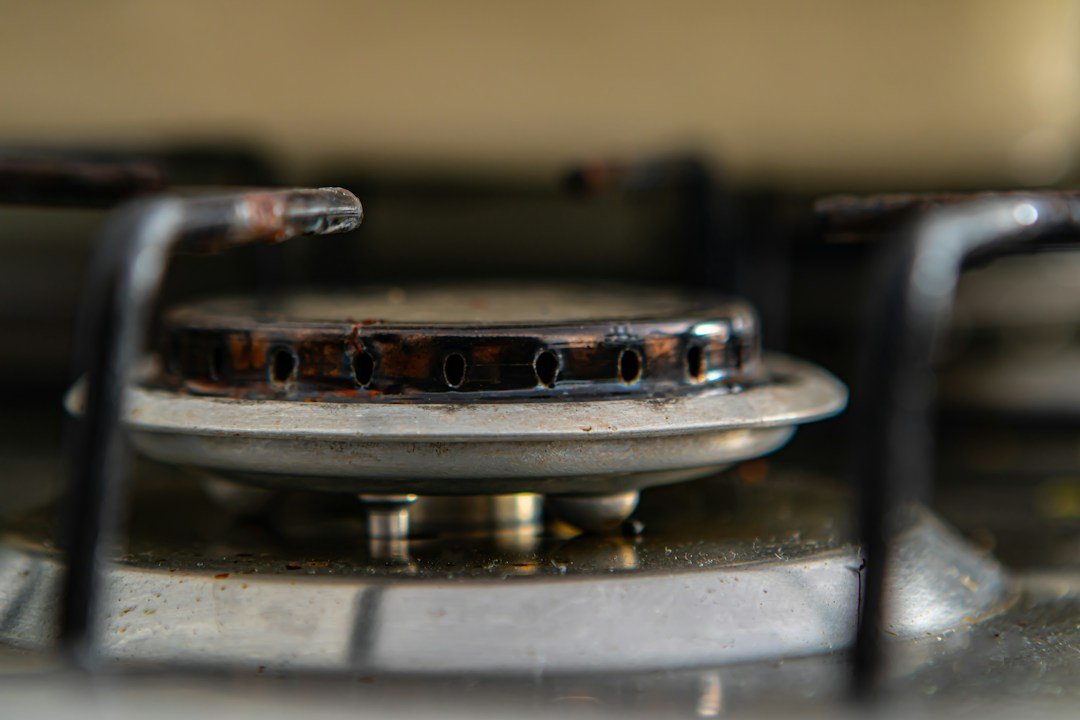
5. You Notice Soot or Unusual Marks Around the Burner
Black soot around the burner or on the bottom of your cooking pots can be a sign that the burner is not operating normally. Dirt and blocked ports can contribute, but persistent soot should not be treated as just a cleaning problem.
Clean the removable burner components safely and check the flame afterwards. If the soot returns or the flame remains abnormal, arrange a professional inspection.
6. You Smell Gas When the Cooker Is Off
This is different from a cooker simply needing routine servicing. A persistent gas smell when the appliance is off can indicate a leak and should be treated as a safety issue.
Turn off the gas supply if it is safe to do so, avoid flames and other ignition sources, ventilate the area where appropriate, and do not continue using the appliance until the source of the leak has been properly addressed. Our guide on what to do when your gas smells covers the immediate steps.
7. The Hose or Connections Look Damaged
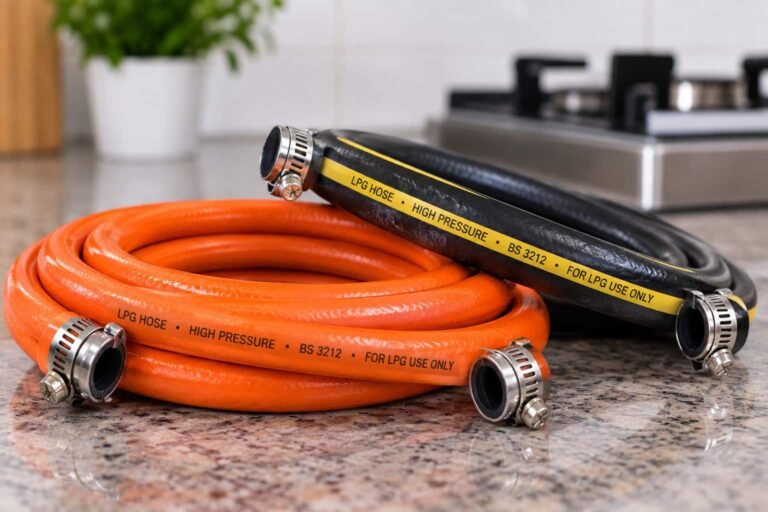
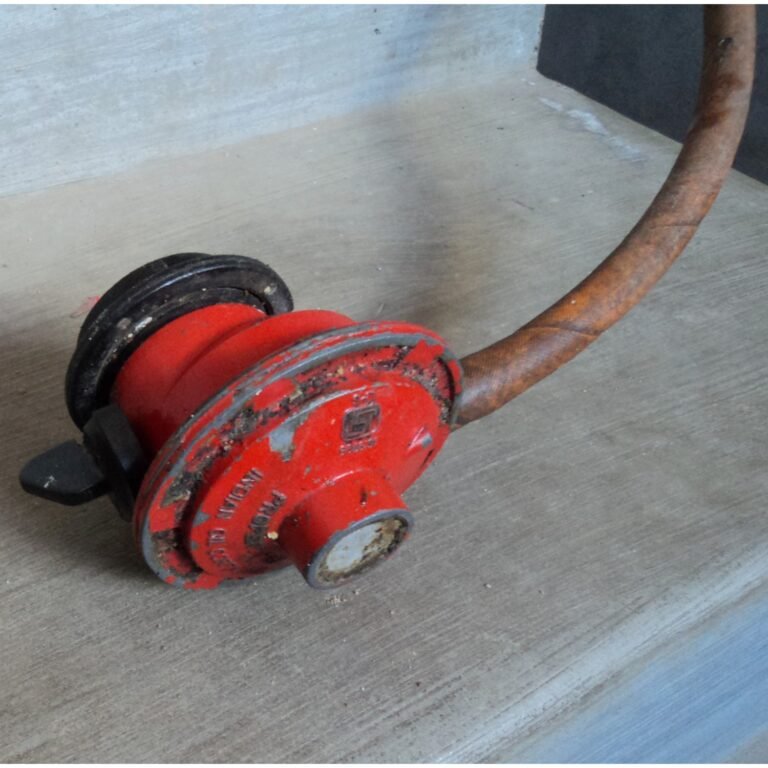
Look at the accessible hose and connections periodically. Cracks, hardening, visible damage, loose connections or other deterioration are reasons to stop and have the setup assessed.
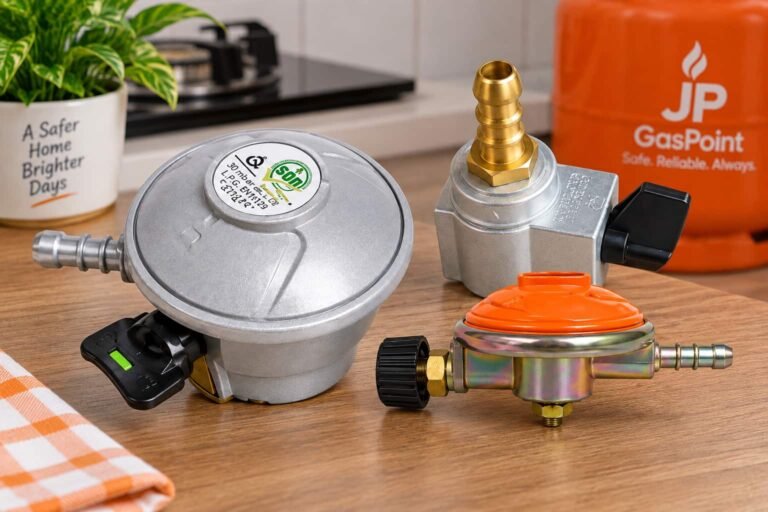
Do not keep using a visibly damaged hose because the cooker itself still works. If you are unsure whether the hose or regulator is suitable, our guide on choosing the right gas hose can help you understand what to check.
8. Knobs, Valves or Controls Are Becoming Difficult to Use
A control knob should not suddenly become unusually stiff, loose or difficult to turn. Do not force a control that feels damaged or behaves differently from normal.
Because controls can be connected to gas-regulating components inside the appliance, a persistent problem is better assessed by someone who understands the cooker rather than improvised at home.
When Should You Stop Using the Cooker Immediately?
Stop using the cooker and deal with the underlying problem before cooking again if you notice a persistent gas smell, a suspected leak, damaged gas components, serious abnormal combustion, or a fault that you cannot safely identify.
Do not use an open flame to look for a leak. If you suspect a gas leak, move away from ignition sources and follow appropriate emergency or supplier guidance.
Can You Service Some Parts Yourself?
Yes. Basic cleaning of removable burner caps, grates and other parts can often be done at home when the cooker is switched off, the gas supply is safely isolated as appropriate, and the appliance has cooled completely.
Follow your cooker manufacturer’s instructions. Parts must be fully dry and correctly positioned before the burner is used again. Avoid opening gas valves, changing jets or dismantling internal gas components unless the work is specifically intended for a qualified professional.
How Often Should a Gas Cooker Be Serviced?
There is no single interval that applies to every cooker. Your manufacturer’s instructions, the type of appliance, how heavily it is used and its condition all matter.
Instead of waiting for a major failure, keep up with regular cleaning and inspect the visible parts of the setup. If you notice a new or recurring problem, have it checked rather than waiting for the next scheduled maintenance.
Frequently Asked Questions
Does every gas cooker need professional servicing?
No. Routine cleaning and simple care can be handled by many users. Professional attention becomes important when the problem involves leaks, internal gas components, persistent abnormal flames or faults that basic cleaning does not resolve.
Can a dirty burner make a cooker perform badly?
Yes. Food residue, grease and blocked burner openings can affect ignition and flame distribution. Cleaning and completely drying the removable parts may solve a simple problem.
Is a yellow flame always a sign that the cooker is dangerous?
Not necessarily, but a persistent abnormal flame should not be ignored. Clean and correctly position the removable burner parts first. If the flame remains yellow or orange, stop using the affected burner and have it checked.
What if I smell gas while checking the cooker?
Stop the inspection. Avoid flames and ignition sources, turn off the gas supply if it is safe to do so, ventilate appropriately and follow qualified emergency or supplier guidance.
The Bottom Line
Your gas cooker usually gives you clues before a serious problem develops. Weak or unstable flames, repeated ignition problems, soot, damaged connections and persistent gas smells are all reasons to pay attention.
Keep the simple maintenance routine going, but know when a problem has moved beyond cleaning. With gas appliances, fixing the right problem safely is more important than simply getting the flame back on.
For more practical LPG guidance, explore the JP GasPoint blog for straightforward advice on gas cookers, cylinders, regulators, safety and everyday cooking gas use.