Why Is My Gas Cooker Whistling? Common Causes and Safe Checks
When a gas cooker suddenly starts making a whistling or high-pitched sound, it is natural to wonder whether something is wrong with the gas supply. Sometimes the cause is as simple as a burner cap that is not sitting correctly. Other times, the sound comes with a change in the flame and deserves a closer look.
The first thing is not to panic or start adjusting the cooker at random. Pay attention to when the sound happens, whether it comes from one burner or several, and whether the flame still looks and behaves normally.
What Does the Whistling Sound Tell You?
A gas burner can make different sounds depending on how gas is flowing and how the burner is operating. A quiet sound from one burner is not automatically a sign of a gas leak.
What matters more is whether the sound is new, loud, persistent or accompanied by another change. If the flame has also become weak, uneven, yellow, unusually large or unstable, the problem deserves more attention.
Start With the Burner Cap
If the whistling started after cleaning the cooker, a spill or moving the burner parts, check the burner cap first. The cap needs to sit correctly on the burner base for the burner to operate properly.
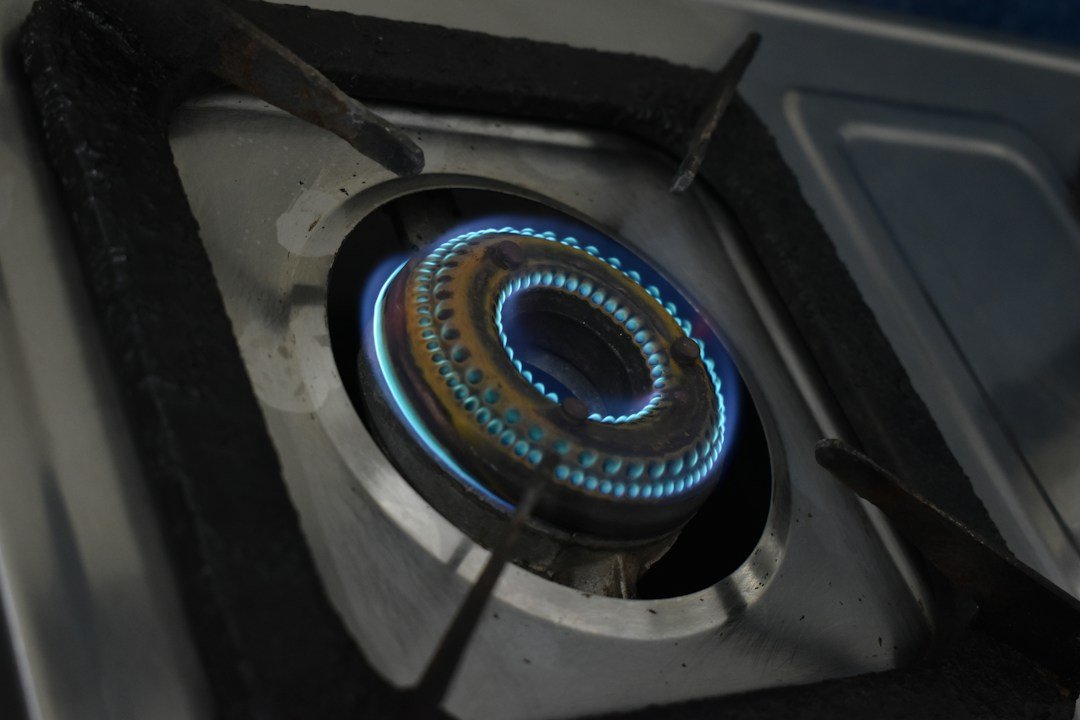
Turn the cooker off and allow the burner to cool completely. Then check that the cap is clean, dry, correctly positioned and sitting flush with the burner base. If your cooker has different-sized burner caps, make sure each cap is on the correct burner.
Check for Dirt, Food or Moisture Around the Burner
Gas cookers deal with plenty of spills, grease and food particles. Over time, debris around the burner openings can affect the way the flame burns and may make the burner noisy or uneven.
With the cooker completely cool, clean the removable burner parts according to the manufacturer’s instructions. Let them dry fully before putting them back.
Do not enlarge or reshape burner openings while trying to clean them. If a burner remains blocked or damaged after normal cleaning, it is better to have it inspected than to force the opening wider.
Look Closely at the Flame
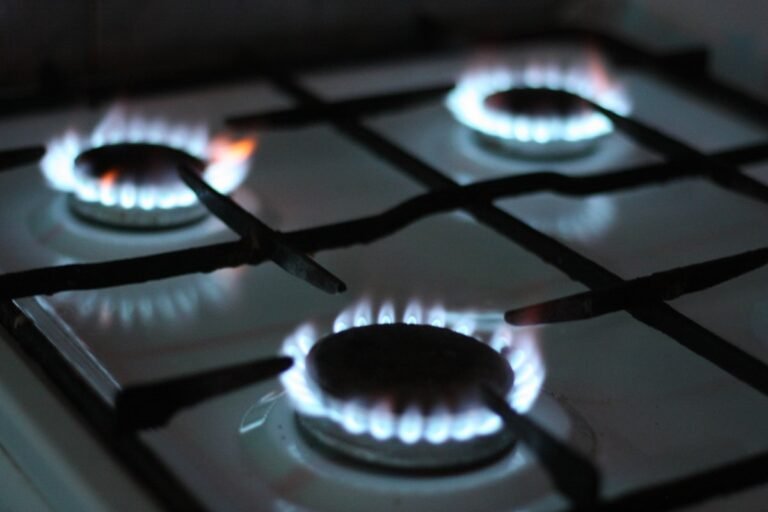
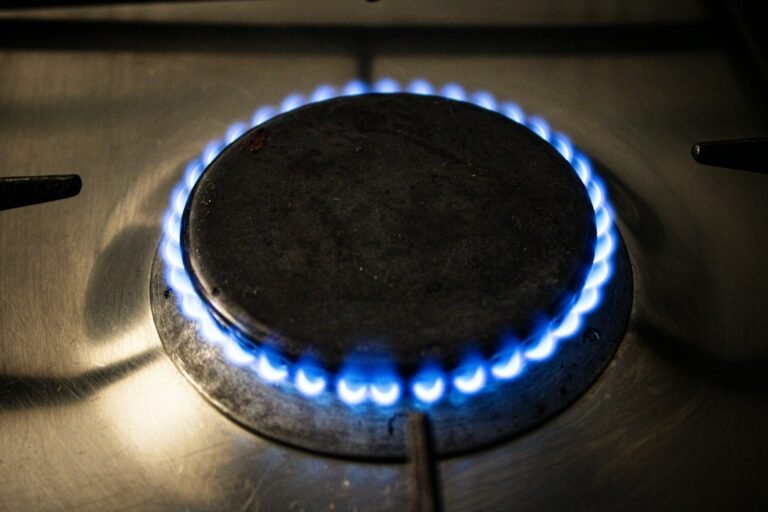
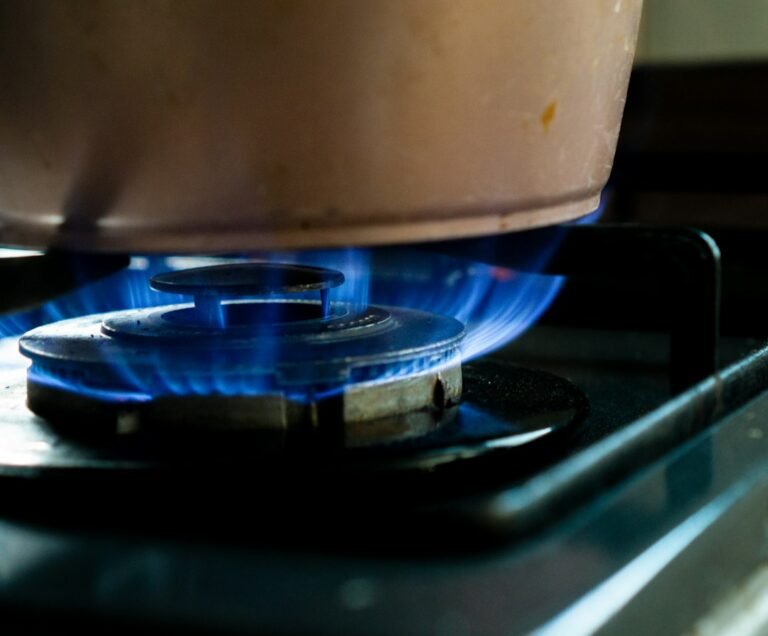
The flame gives you another useful clue. A properly operating LPG burner will generally have a predominantly blue flame, although the exact appearance can vary by appliance and gas setup.
If the cooker is whistling but the flame remains steady and normal, the sound may be limited to the burner. If the flame is also yellow, lifting, flickering, uneven or unusually high or low, do not simply turn the knob higher and continue cooking.
For LPG appliances, abnormal flames can be associated with issues such as burner-port blockage, incorrect burner-cap positioning or an installation that is not correctly configured for LPG.
If your cooker flame has become weak, our guide on why your gas cooker flame may be weak covers the common checks.
Is It One Burner or Several?
This is one of the most useful questions to ask.
If only one burner is whistling, start with that burner. Its cap, burner head, ports and cleanliness are the obvious first things to check.
If several burners suddenly start making the same unusual sound, look beyond one burner. The regulator, hose, appliance connection or gas supply may need to be assessed by someone competent to work on LPG equipment.
The sound alone cannot tell you which component is responsible, so avoid replacing the regulator or other parts simply because the cooker has started whistling.
Think About What Changed
Try to remember what happened before the sound appeared. Did you clean the cooker? Change or refill the cylinder? Replace the regulator or hose? Move the cooker? Notice a change in the flame at the same time?
This does not prove the cause, but it can help narrow down where to start. A noise that appears immediately after cleaning calls for a different first check from one that begins after changing gas equipment.
If you recently changed cylinders, you can also review our guide on how to safely switch your gas cooker from one cylinder to another.
What About the Regulator and Hose?
The regulator and hose are part of the gas supply system, so they should not be ignored when the cooker suddenly behaves differently.
Look at the visible hose and connections for obvious damage, deterioration, kinks or anything that appears out of place. You do not need to dismantle the system to perform this basic visual check.
If you suspect a regulator or connection problem, do not dismantle or modify the regulator yourself. Have the installation checked by a competent LPG professional. Our guide on choosing the right gas regulator for your cylinder may also help if you are replacing one.
When a Whistle Becomes a Safety Concern
A whistling sound by itself does not prove that LPG is leaking. The situation is different if you also notice a gas smell, hear a strong hiss from a connection, see damaged equipment or suspect that gas is escaping.
If you smell gas, do not use a match or lighter to search for the source. If it is safe to do so, turn off the gas supply, avoid flames and other ignition sources, and move away from the area if the smell persists.
For a fuller explanation of what to do when you smell gas, see our guide on what to do if your gas smells.
When Should You Stop Troubleshooting?
If the burner is clean, the cap is correctly positioned and the whistling continues, there is no benefit in repeatedly adjusting parts you are not trained to service.
Get the cooker or gas installation checked if the sound is persistent, affects several burners, comes with an abnormal flame, follows an equipment change, or is accompanied by a gas smell or visible damage.
Do not attempt to alter burner jets, regulator settings or other gas components simply to make the sound disappear. A cooker that needs adjustment should be assessed using the manufacturer’s instructions and, where necessary, by a qualified or competent professional.
A Simple Troubleshooting Order
When you hear the whistle, work through the problem calmly: check the burner, check the cap, check for dirt or moisture, observe the flame, and think about what recently changed.
If the issue is limited to one burner and the flame is otherwise normal, start there. If several burners are affected or there are other warning signs, move beyond basic cleaning and get the installation checked.
This is safer and more useful than repeatedly turning the control knob, changing parts or disconnecting equipment without knowing what caused the problem.
Frequently Asked Questions
Is a whistling gas cooker always dangerous?
No. The sound alone does not establish that there is a leak or serious fault. What matters is whether it is persistent and whether it comes with an abnormal flame, gas smell, damaged equipment or another change in the way the cooker operates.
Why did my gas cooker start whistling after cleaning?
The burner cap may not be seated correctly, or moisture or debris may still be affecting the burner. Let the parts dry completely and reinstall them according to the cooker manufacturer’s instructions.
Can a regulator cause a gas cooker to whistle?
A change involving several burners or the gas supply should not be diagnosed from the sound alone. If you suspect the regulator or another supply component, have the installation checked rather than dismantling the regulator yourself.
Should I keep cooking if the cooker is whistling?
If the sound is new or persistent, especially when accompanied by an abnormal flame, gas smell or damaged equipment, stop using the cooker until the cause has been checked.
The Bottom Line
A whistling gas cooker is not automatically an emergency, but a new or persistent sound is worth paying attention to. Start with the simple possibilities around the burner and observe what the flame is doing.
If the noise comes with an abnormal flame, affects several burners, follows an equipment change, or comes with a gas smell, move beyond basic troubleshooting and have the cooker or gas installation checked.
If you need a properly weighed cooking gas refill or delivery in Bucknor and Community Road, Ago Palace, JP GasPoint can help.