How to Spot a Fake or Counterfeit Gas Cylinder
Not every cylinder on the market is genuine. Counterfeit and substandard cylinders exist, and at a glance most people would never spot the difference from a properly manufactured one. Knowing how to spot a fake or unsafe gas cylinder is one of the more useful skills a gas user can have.
We handle cylinders every day in Lagos, genuine and otherwise, so we know exactly what to look for. Here is how to check yours properly before you trust it in your kitchen.
Why this matters more than it seems
A cylinder holds gas under real pressure, so its build quality is not a small detail. A substandard or counterfeit cylinder may use thinner metal, a poorly made valve, or skip proper pressure testing altogether. It can look perfectly normal on a shelf and still be far weaker than it should be. A careful check before you buy or accept one costs a minute. Getting it wrong costs far more.
Look for proper markings
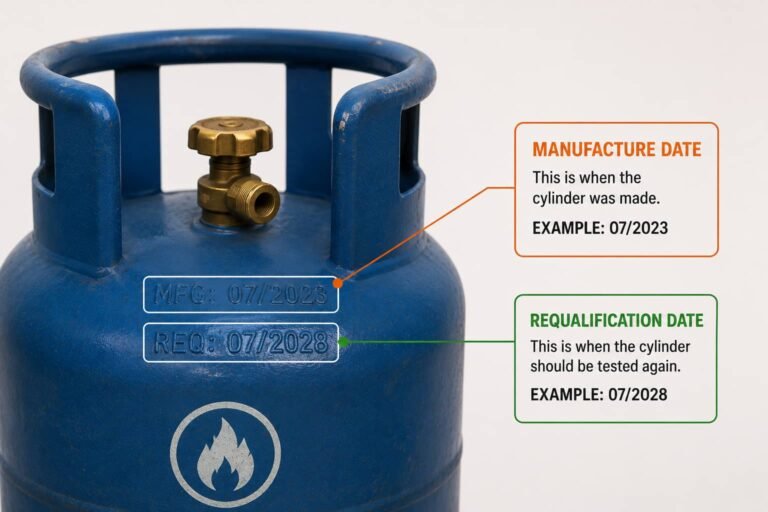
A genuine cylinder is stamped, not just painted, with clear manufacturing details: a manufacturer’s mark, a manufacture date, and a certification stamp. These marks are stamped into the metal itself, not printed on a sticker that could be swapped or faked. If a cylinder has no visible stamped markings at all, or the markings look freshly added and inconsistent with the cylinder’s age, treat that as a genuine concern.
Check the weld and body carefully
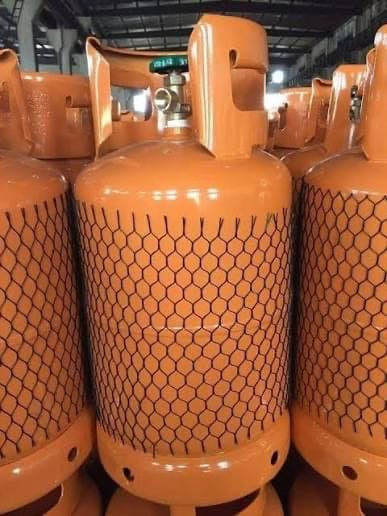
Run your eye around the seams. A properly made cylinder has a clean, even weld line, without rough patches or visible gaps. Look too at the overall shape, it should be smooth and symmetrical, not lopsided or uneven. Rough, inconsistent welding is one of the clearest signs of a poorly manufactured cylinder, since it is exactly where a weak cylinder is most likely to fail.
Inspect the valve closely
The valve is where a substandard cylinder often shows itself first. It should turn smoothly, seal firmly, and show a proper manufacturer’s mark of its own. A valve that feels loose, wobbles at the base, or lacks any markings is a warning sign. This is also the part most likely to leak first, so give it extra attention.
Rust, dents, and honest wear
Even a genuine cylinder becomes unsafe with enough damage. Check for heavy rust, especially around the base, which corrodes first. Look for deep dents or, worse, any bulge in the body, which can signal internal stress. A little surface rust or a small scuff is normal wear, but deep damage of any kind means the cylinder should be checked or retired, genuine or not.
Be wary of prices that seem too good
Manufacturing a cylinder to proper standard costs a certain amount, there is no way around that. A cylinder priced dramatically below everything else nearby is a reason to look closer, not celebrate. Counterfeit and substandard cylinders usually undercut genuine ones specifically because they skip the steps that keep them safe.
Buy from sellers you can trust
The single best protection is where you buy. A reputable vendor or established gas plant sources genuine cylinders and has a reputation to protect. An unfamiliar seller offering unmarked cylinders at a steep discount deserves real scrutiny. Our guide to choosing a vendor covers what to look for in who you buy from.
Test before you trust it
Whatever cylinder you have, test the connection before relying on it. Fit your regulator, then run the soapy water leak test around the valve. A sound cylinder passes cleanly. If it hisses or bubbles appear, do not use it. Our safety guide and cylinder safety guide cover the full check in detail.
Do not forget the regulator
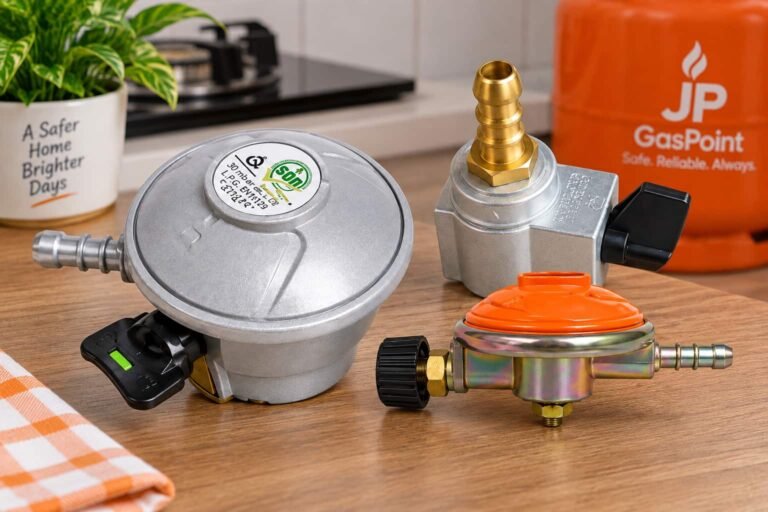
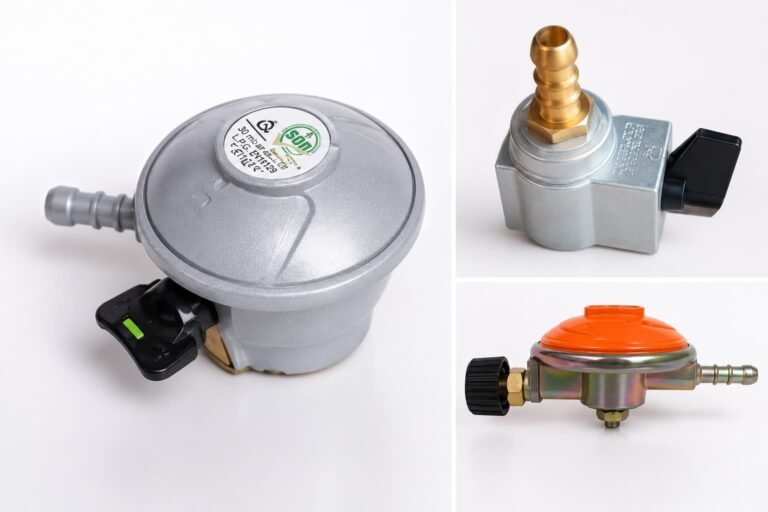
A genuine cylinder paired with a fake regulator is still a real risk, the two need checking separately. Our companion guide on spotting a fake or counterfeit gas regulator covers exactly what to look for there.
Your quick cylinder check
- Look for clear, stamped manufacturer and certification marks.
- Check the weld line and overall shape for consistency.
- Inspect the valve for smooth operation and its own marking.
- Check for heavy rust, deep dents, or any bulge.
- Be cautious of a price far below the local range.
- Buy from a trusted vendor, and run the leak test before use.
Frequently asked questions
How common are fake gas cylinders in Nigeria?
Common enough to take seriously, particularly unmarked cylinders sold outside reputable outlets. A careful check before buying or exchanging is well worth the minute it takes.
What is the clearest sign of a fake cylinder?
Missing or inconsistent stamped markings, combined with rough welding, are the strongest signs. Genuine manufacturers stamp their details clearly and consistently.
Can a fake cylinder still pass a leak test?
It might pass the initial test and still be built from weaker material. The leak test checks the connection, not the metal quality, so markings and build checks matter too.
What should I do if I suspect my cylinder is fake?
Stop using it and take it back to a reputable gas plant for exchange or inspection. It is not worth the risk of continuing to use a cylinder you do not trust.
Spotting a fake gas cylinder comes down to a few careful checks: proper markings, a clean weld, a sound valve, and honest condition. None of this takes long, and it is the difference between equipment that quietly does its job for years and one that fails when you can least afford it.
If you are in Lagos, we only stock and sell genuine, certified cylinders. See our services, read our cylinder safety guide, or message us on WhatsApp.